

Ant Trails at Lake of the Ozarks: Inspection and Service
Identify ant activity and discuss a property-specific plan for your Lake of the Ozarks home.
Identify ant activity and discuss a property-specific plan for your Lake of the Ozarks home.
Identify ant activity and discuss a property-specific plan for your Lake of the Ozarks home.

Review pest activity and prepare for service with clear expectations for your property.
Review pest activity and prepare for service with clear expectations for your property.

Review pest activity and prepare for service with clear expectations for your property.
Review pest activity and prepare for service with clear expectations for your property.
Identify the concern and choose service based on your property and the pests involved.

Identify the concern and choose service based on your property and the pests involved.

Identify the concern and choose service based on your property and the pests involved.
Identify the concern and choose service based on your property and the pests involved.

Save a specimen and note the location. These questions help make an ant or termite identification visit more useful.
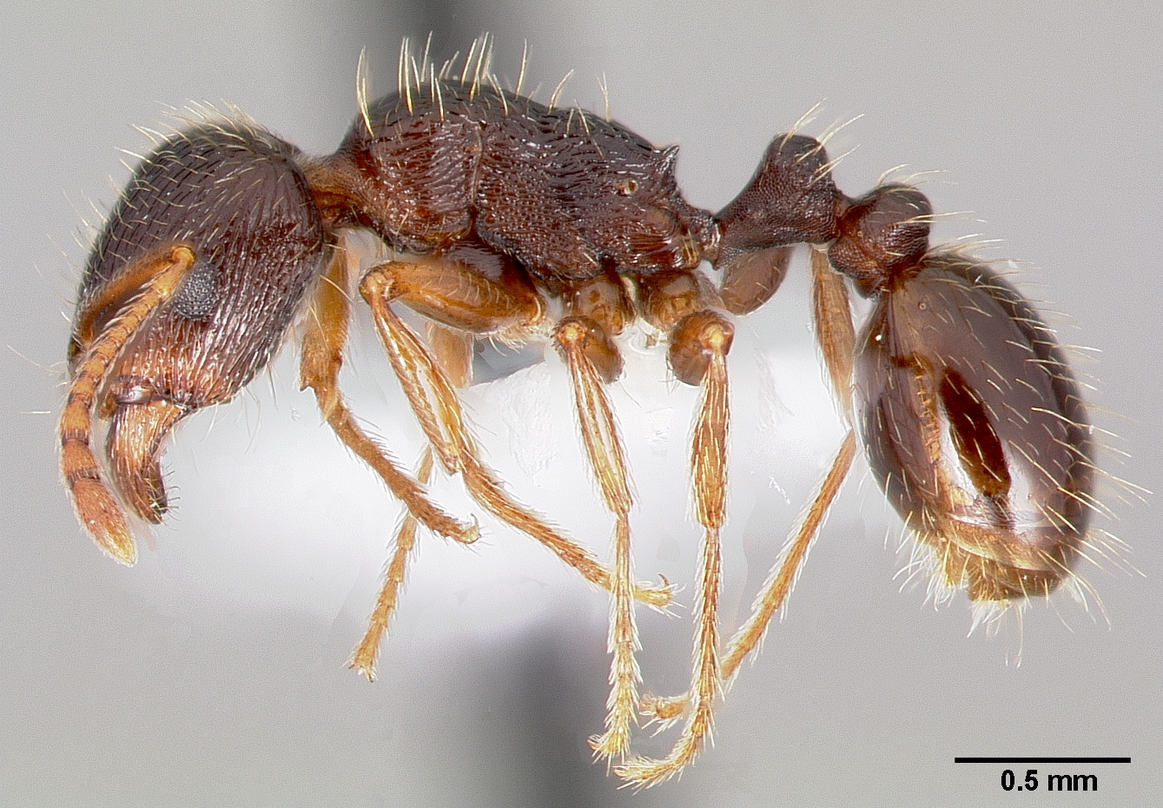
Pavement ants often nest around paving and can forage into buildings. Identification helps distinguish them from other small dark ants.
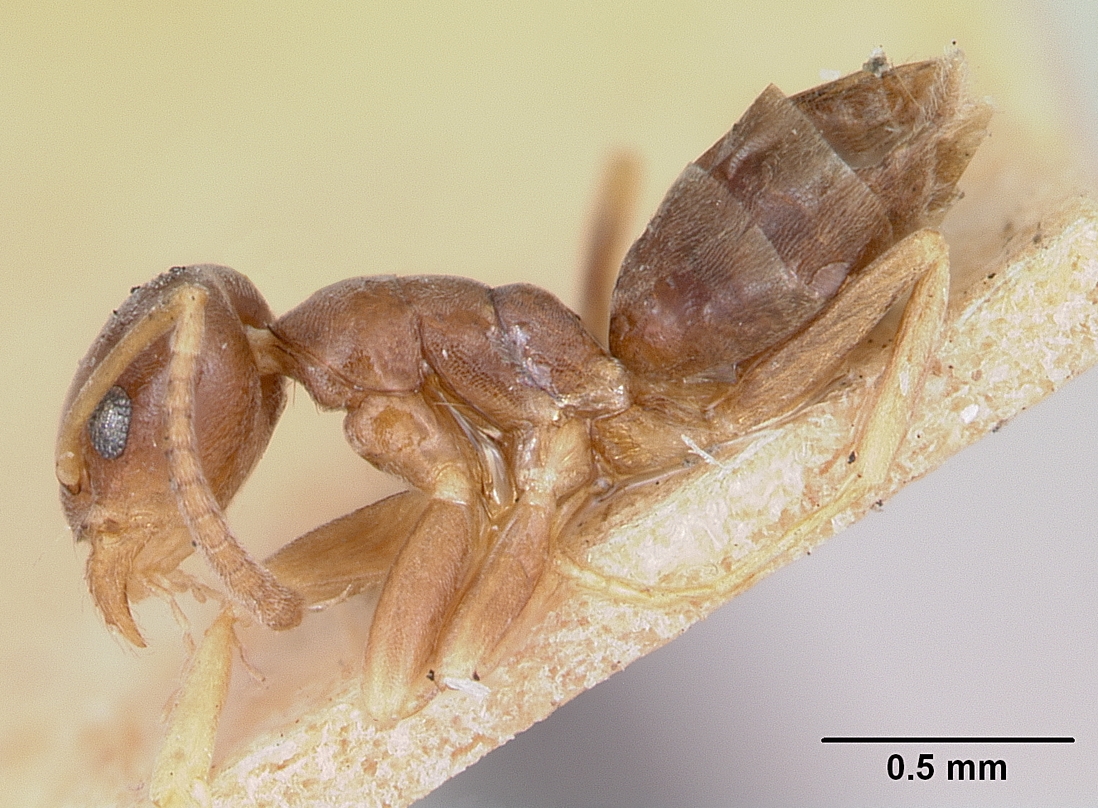
Odorous house ants can forage indoors for food and moisture. Recurring trails deserve identification and a look at nesting conditions.
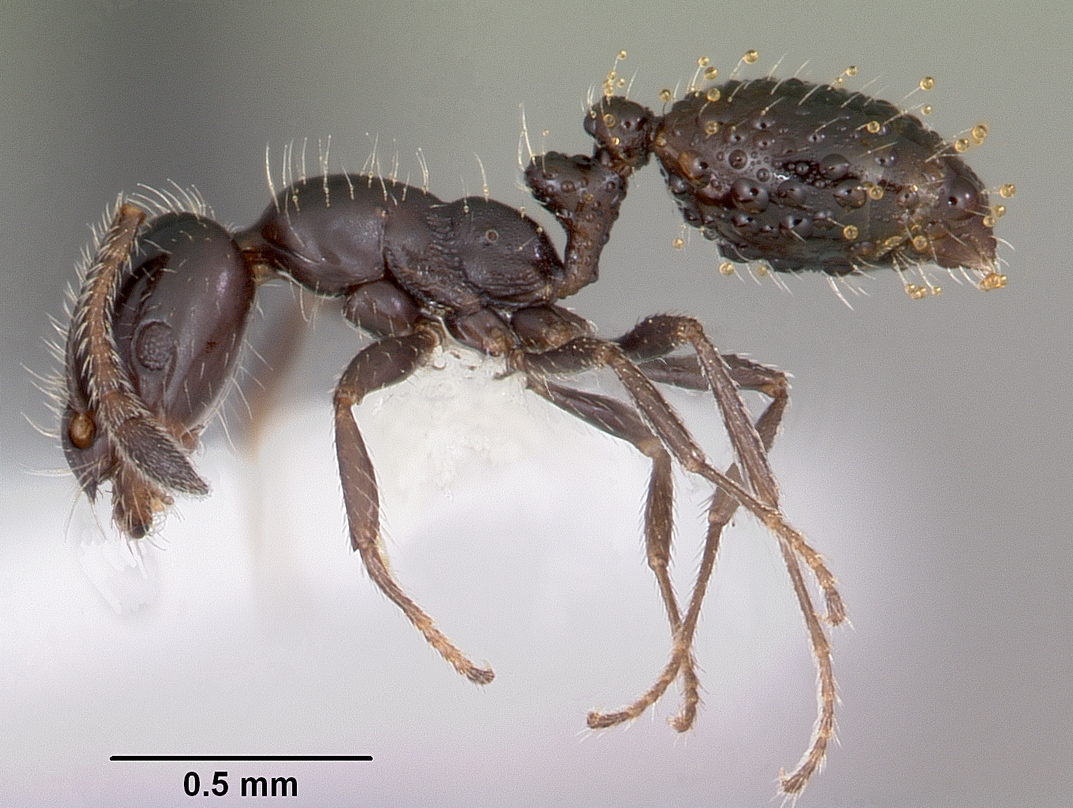
The little black ant is a named species, Monomorium minimum. Not every small dark ant belongs to this species.
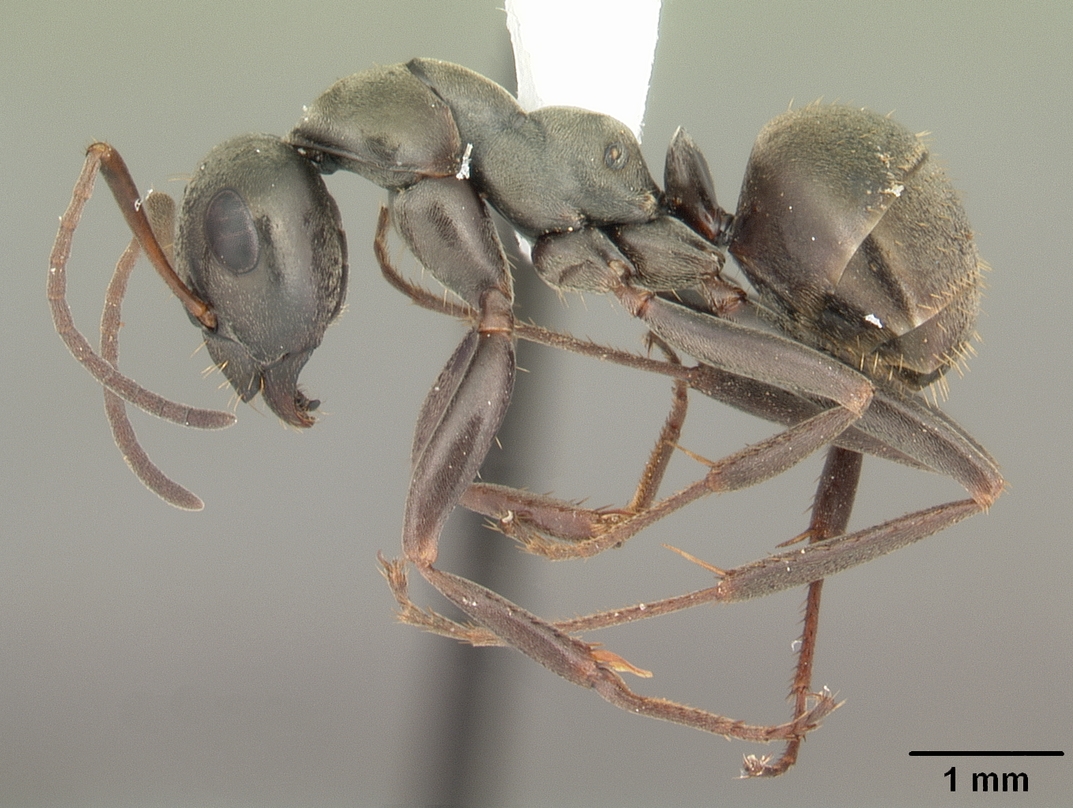
Field ants are outdoor ants in the genus Formica. Their soil nests and mounds can become a concern in lawns or other frequently used areas.
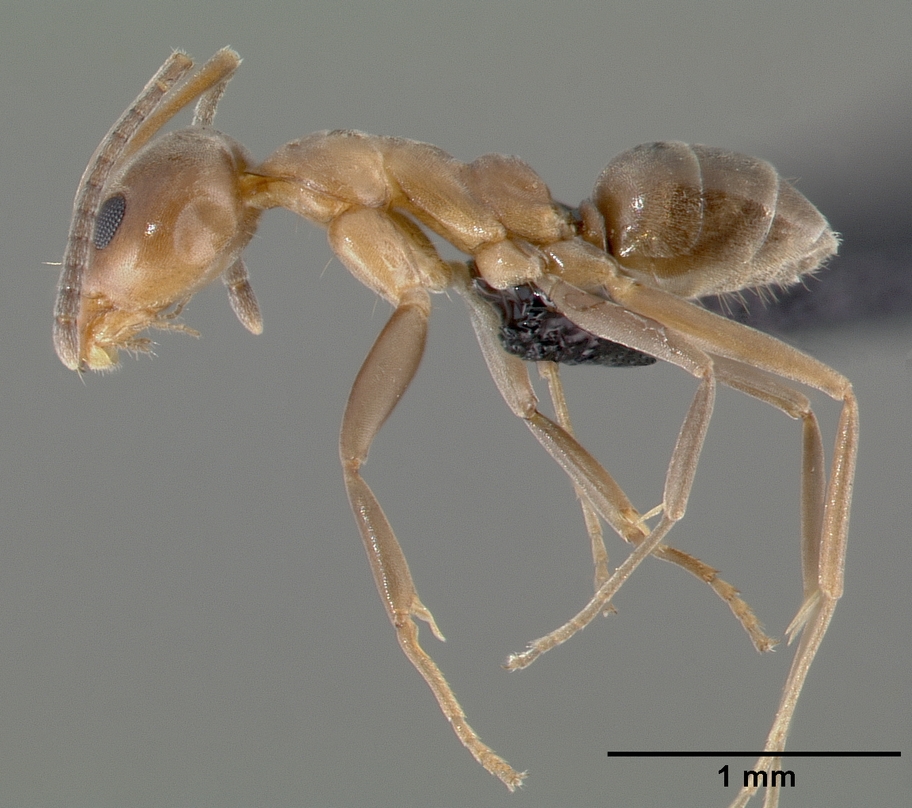
Argentine ants are small brown ants whose identification requires more than color alone. Confirm the species before choosing treatment.
By continuing to use our site, you agree to our Privacy Policy and Terms of Use.