
Plank Termite & Pest Control
Pest ID: Ticks, Fleas, & Blood Feeders
Bites, Itching & Infestations
Flea, Tick & Blood Feeder Pest Control in Rolla and Central Missouri
Blood-feeding pests like fleas, ticks, bed bugs, and biting flies aren’t just irritating—they’re dangerous to your health and that of your pets. In Central Missouri, these pests thrive in wooded areas, tall grass, and even inside homes, especially when pets bring them indoors. They bite, feed on blood, and can transmit harmful bacteria, parasites, and viruses. Some, like bed bugs, can go unnoticed until infestations are severe. Others, like ticks, carry Lyme disease and other tick-borne illnesses. At Plank Termite & Pest Control, we provide complete solutions for Flea Treatments, Tick Pest Control, and Bed Bug Extermination. We proudly serve Rolla, Osage Beach, Lebanon, Waynesville, Camdenton, and surrounding Central Missouri communities with trusted mosquito and pest control services.
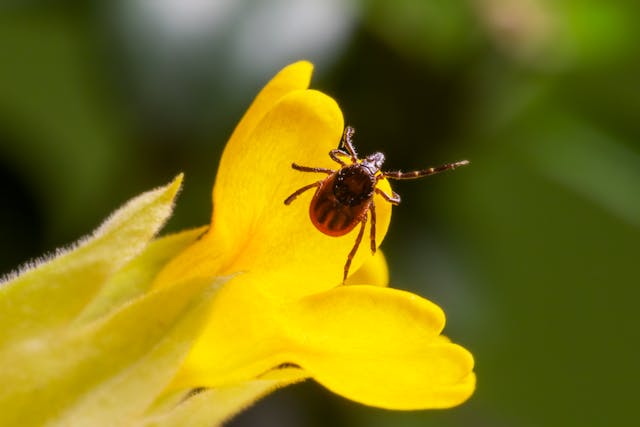
Blood Feeders Identification
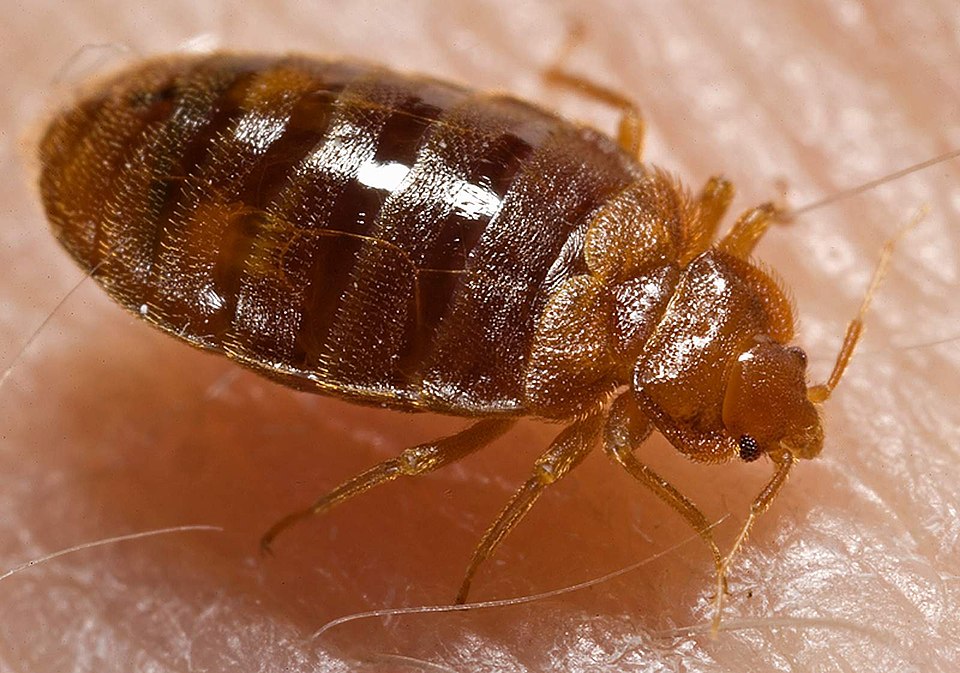
Bed Bugs
- Size: 4–5 mm
- Appearance: Reddish-brown, flat, oval-shaped
- Common Locations: Mattress seams, bed frames, behind headboards, electrical outlets
- Evidence: You may notice rusty or dark stains on sheets, small itchy bites on your skin, or live bugs in crevices and corners.
- How to Protect Yourself: Encase mattresses, inspect luggage after travel, and reduce clutter in sleeping areas.
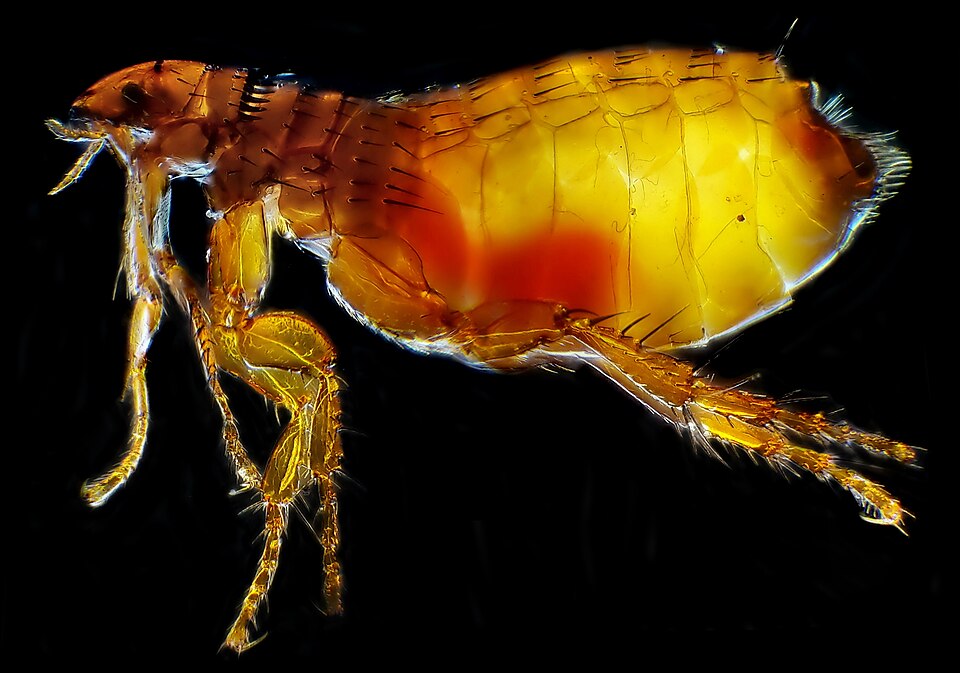
Cat Fleas
- Size: 1–2 mm
- Appearance: Small, dark brown, wingless with powerful hind legs
- Common Locations: On pets, in carpets, upholstery, and bedding
- Evidence: You might see black flea dirt on your pet or bedding, red bite marks on ankles, or excessive scratching in pets.
- How to Protect Yourself: Treat pets with veterinarian-approved flea prevention and vacuum your home frequently.
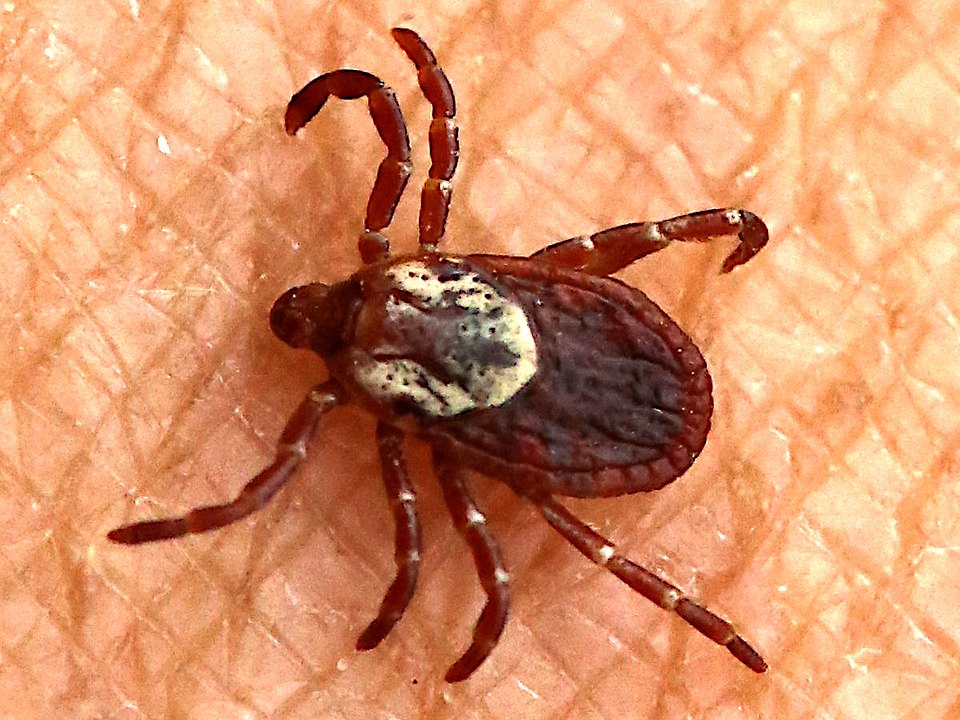
American Dog Tick
- Size: 5 mm (unfed), larger when engorged
- Appearance: Reddish-brown with white markings
- Common Locations: Fields, trails, dog parks; attaches to pets and humans
- Evidence: Finding attached ticks on pets or people, especially near the scalp or behind the ears, is a clear sign of exposure.
- How to Protect Yourself: Wear long sleeves and repellent outdoors; check pets and people after time in tall grass.
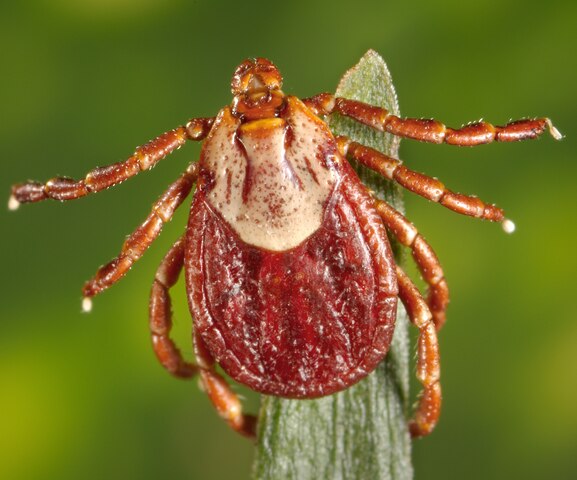
By James Gathany - This media comes from the Centers for Disease Control and Prevention's Public Health Image Library (PHIL), with identification number #10865.Note: Not all PHIL images are public domain; be sure to check copyright status and credit authors and content providers., Public Domain, Link
Rocky Mountain Wood Tick
- Size: 4–6 mm
- Appearance: Brown with light gray markings
- Common Locations: Wooded and grassy areas at higher elevations
- Evidence: Bites may result in redness, swelling, or flu-like symptoms if a disease is transmitted.
- How to Protect Yourself: Stick to trails when hiking and use tick-repellent spray on clothing and gear.
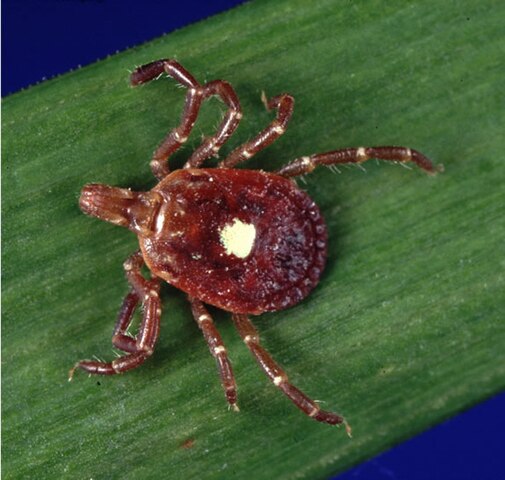
By Photo Credit: James GathanyContent Providers(s): CDC/ Michael L. Levin, Ph. D. - This media comes from the Centers for Disease Control and Prevention's Public Health Image Library (PHIL), with identification number #4407.Note: Not all PHIL images are public domain; be sure to check copyright status and credit authors and content providers., Public Domain, Link
Lone Star Tick
- Size: 3–5 mm
- Appearance: Brown with a white dot on females’ backs
- Common Locations: Wooded areas, underbrush, and near animal bedding
- Evidence: You may notice itchy bites or develop a circular rash. In some cases, this tick is linked to red meat allergies.
- How to Protect Yourself: Tuck pants into socks, apply repellents, and check for ticks within 2 hours of coming indoors.
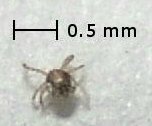
Chiggers
- Size: Less than 1 mm (larval stage only bites)
- Appearance: Bright red and nearly microscopic
- Common Locations: Tall grass, weeds, forest edges
- Evidence: Clusters of intensely itchy red welts that often appear under tight clothing, like waistbands or socks.
- How to Protect Yourself: Shower immediately after outdoor activity and apply insect repellent to shoes, pants, and socks.
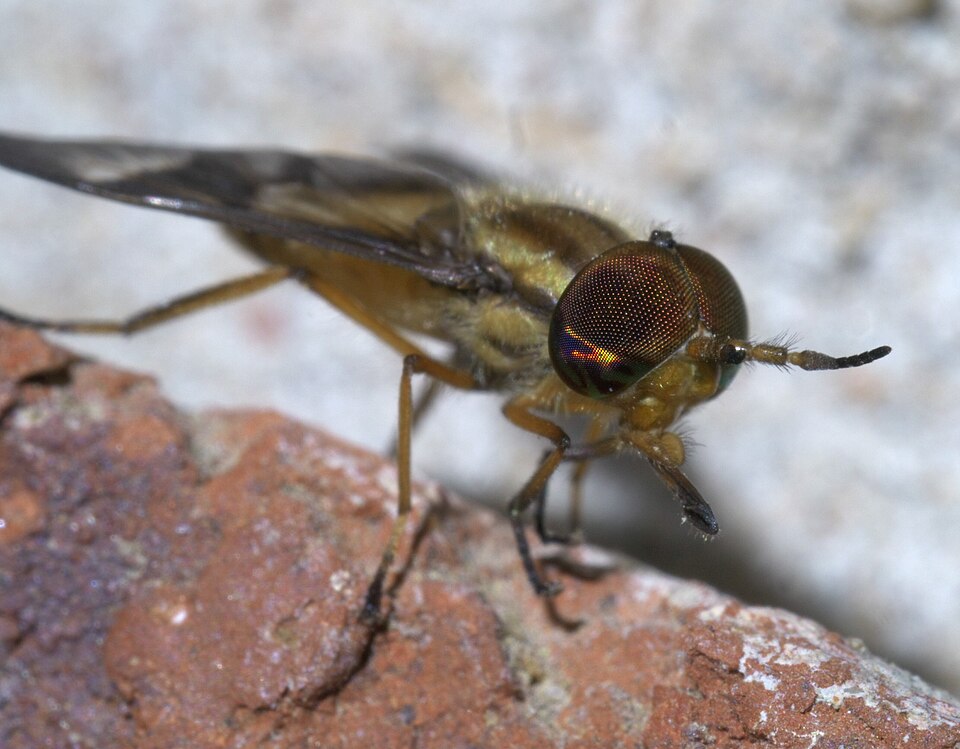
Deer Flies
- Size: 5–12 mm
- Appearance: Yellow-brown with patterned wings and iridescent eyes
- Common Locations: Wetlands, forests, and near livestock
- Evidence: Their bites are painful, often leaving behind red, swollen welts that may bleed.
- How to Protect Yourself: Wear light-colored clothing and avoid outdoor activity during peak fly hours in the afternoon.
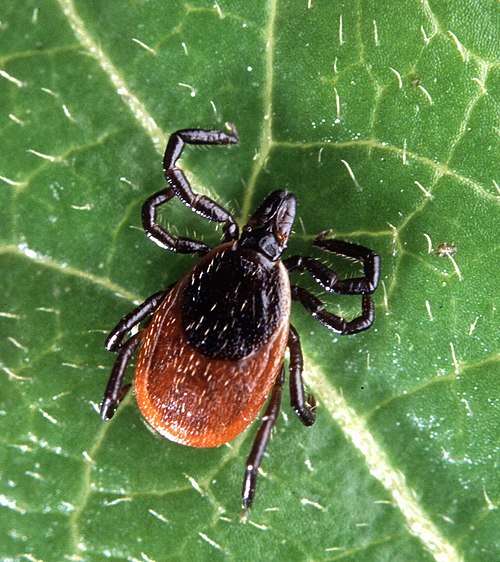
Deer Ticks (Blacklegged Ticks)
- Size: 1–3 mm (adults are about the size of a sesame seed)
- Appearance: Reddish-brown, flat, oval body with darker legs; expands significantly after feeding
- Common Locations: Tall grass, wooded areas, brush piles, pet paths, and yard edges near wooded zones
- Evidence: Ticks attached to skin or fur, itchy bite marks, or bull’s-eye rash; pets may show excessive scratching
- How to Protect Yourself: Wear long clothing outdoors, use EPA-approved repellents, check yourself and pets after outdoor activities, and keep yards trimmed and free of tall weeds.
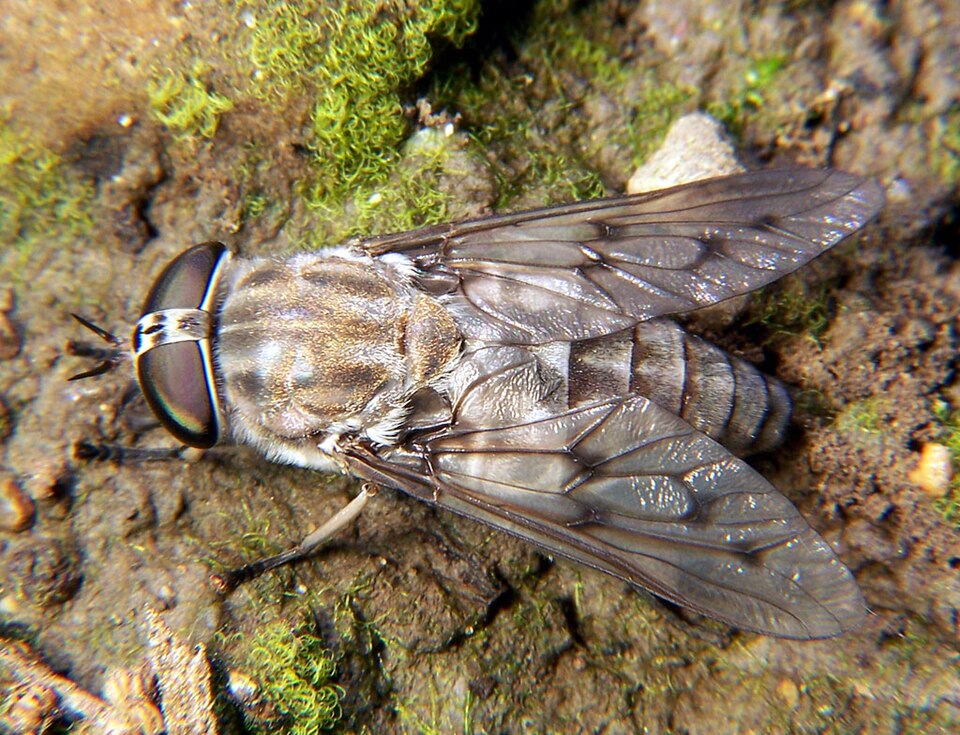
Horse Flies
- Size: 10–25 mm
- Appearance: Large, dark colored with green or black eyes
- Common Locations: Pastures, ponds, and wooded areas
- Evidence: Their deep bites can cause bruising and significant swelling in some individuals.
- How to Protect Yourself: Use physical barriers like netting, avoid scented products, and wear protective clothing.
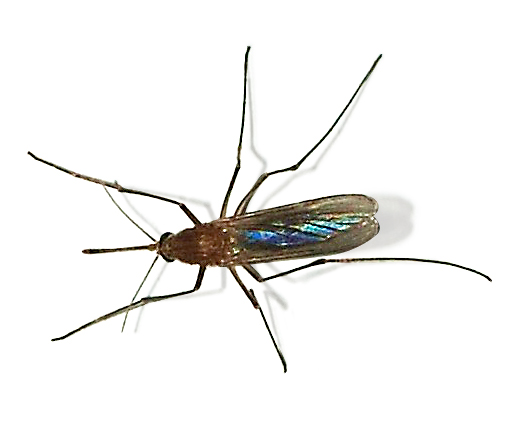
Culex Mosquito
- Size: ~¼ inch
- Appearance: Brown or gray with long legs and narrow wings
- Common Locations: Still water sources like birdbaths, gutters, ponds
- Evidence: You’ll often experience itchy red bumps, especially after dusk, and may see larvae wriggling in standing water.
- How to Protect Yourself: Eliminate standing water and use window screens or mosquito repellents with DEET.
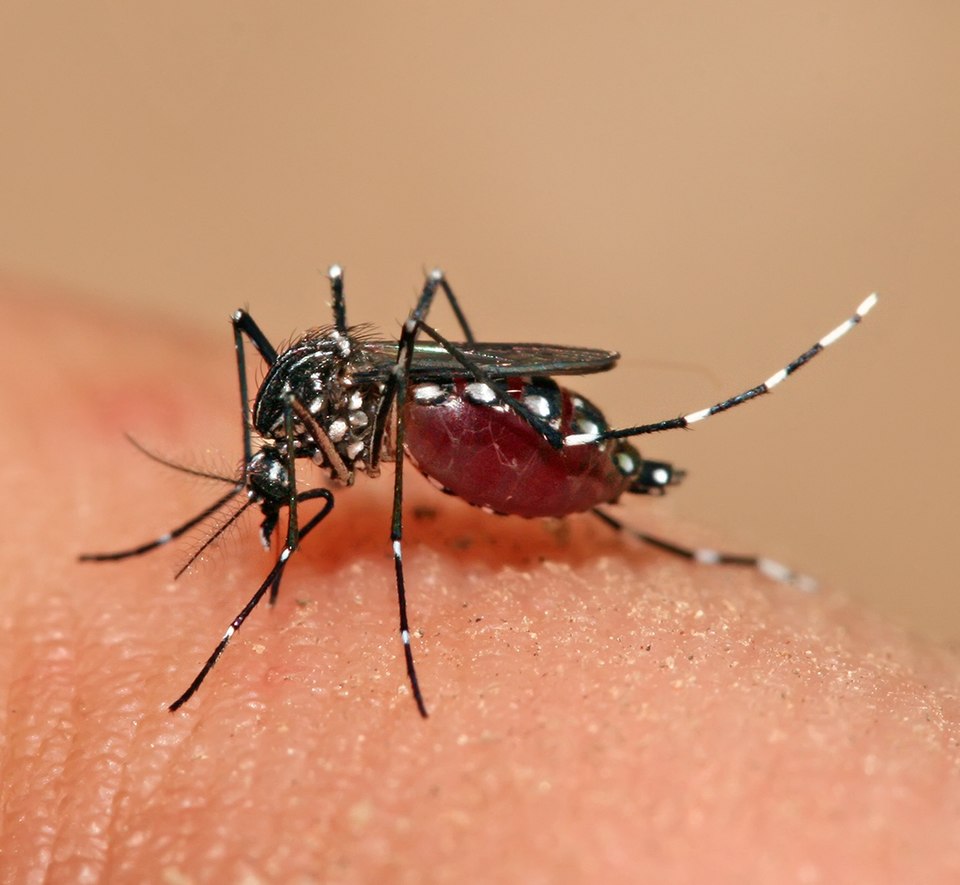
Aedes (Asian Tiger Mosquito)
- Size: ~¼ inch
- Appearance: Black with white-striped legs and a white stripe on the back
- Common Locations: Containers with water, tires, flowerpots, gutters
- Evidence: Daytime bites—especially around ankles—and a high number of visible adult mosquitoes in shaded areas.
- How to Protect Yourself: Dump water from containers weekly and use outdoor fans to deter mosquito activity.
Stop Biting Pests in Their Tracks
Call or text (573) 368-3333 to schedule a customized pest inspection and treatment plan for blood-feeding insects in and around your home.
Protect Your Family and Pets
What Blood Feeders Can Transmit & How to Prevent Them
Blood-feeding pests can cause more than discomfort. Many species carry pathogens that threaten people and pets:
- Ticks: Lyme disease, ehrlichiosis, Rocky Mountain spotted fever
- Fleas: Tapeworms, flea allergy dermatitis, plague (in rare cases)
- Mosquitoes: West Nile virus, Zika, dengue
- Flies: Tularemia, anthrax, and bacterial infections
- Bed Bugs: Though not known to transmit disease, they cause sleepless nights, stress, and allergic reactions
Preventive Steps:
- Keep lawns trimmed and remove tall weeds or brush
- Use monthly flea and tick prevention on pets
- Eliminate standing water around the home
- Vacuum carpets and wash bedding frequently
- Wear repellents and check for ticks after being outdoors
- Schedule regular professional pest control visits

FAQs About Blood Feeders
Do bed bugs only bite at night?
Yes, typically. They are nocturnal and feed while you’re asleep. However, a large infestation can lead to daytime bites.
Can fleas live in your carpet?
Absolutely. Fleas and their eggs can survive in carpets, rugs, and upholstery. Vacuuming and treatment are critical.
How soon do tick bites show symptoms?
Some tick-borne illnesses may take days or weeks to appear. If you find a tick bite, monitor for fever, rash, or flu-like symptoms.
How can I tell if a mosquito bite came from an Aedes species?
Aedes mosquitoes tend to bite during the day and often target the lower legs or ankles. Their bites may be itchier or longer-lasting.
Are chigger bites dangerous?
Not usually, but they are extremely itchy and can lead to secondary infections if scratched excessively.
Our Promise: Bite-Free, Guaranteed
Plank Termite & Pest Control backs every blood feeder treatment with a 100% Satisfaction Guarantee. No more itching, scratching, or worrying—we’ll get it done right. Call or text (573) 368-3333 today to schedule a full inspection and treatment for fleas, ticks, and other biting pests.
Dorothy Hand
Termite inspection, Termite extermination, Cockroach extermination, General wildlife removal
Jacob did a nice job of taking care of the squirrel nest. No chemicals were needed. Personable young man who was clear about what was needed and helped to remedie the problem.
Katie Steelman
The staff is very responsive to messages. Even though we had to be rescheduled a couple times due to rain, they didn’t just drop us. They took care of us when the weather cooperated. Very good to work with! Price is very reasonable too.
Judyann Krenning
Very professional and polite. Definitely knew his business. Our problem was taken care of easily.
JP Maxwell
I can't recommend Plank Termite & Pest Control enough! They came to our house within 2 days of scheduling and the service was incredible. Great customer service with very thorough treatment using non-harmful chemicals to us or our pets. Plank always delivers and they're locally owned!
Brian Molloy
I’ve been using Plank Pest Control for a couple of years now. My experience with them has been not only positive and professional but pleasant as well. I’ve known the Plank family since childhood and seeing the second generation of them do what they do best makes me very grateful for my acquaintance with the company. Not only do they get rid of all the creepy crawlers they make sure to answer any and all questions I might have regarding the job they’ve done.

![[1]](http://images.nbii.gov/mammals/nbii_t00362.jpg)