
Plank Termite & Pest Control
Pest ID: Paper and Fabric Pests
Damage You Can’t Always See
Paper & Fabric Pest Identification Services in Rolla and Central Missouri
Have you noticed tiny holes in your sweaters, shredded upholstery, or damaged paperwork? Pests that feed on natural fibers and paper-based materials can quietly destroy belongings before you even spot the problem. Central Missouri homeowners and businesses often deal with fabric-damaging insects like moths, beetles, and silverfish that thrive in dark, undisturbed places like closets, storage bins, and attics. At Plank Termite & Pest Control, we specialize in identifying and eliminating these destructive pests before they do real damage. We proudly serve Rolla, Osage Beach, Lebanon, Waynesville, Camdenton, and surrounding Central Missouri communities with expert protection, including our Perimeter Guard Pest Control service to keep fabric and paper pests out for good.
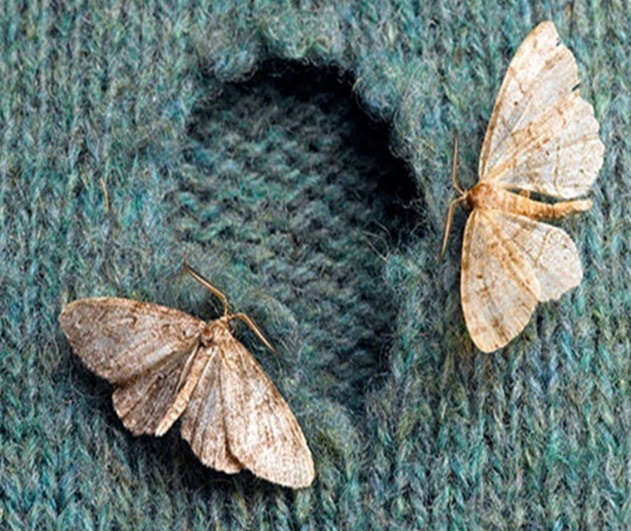
Paper/Fabric Pest Identification
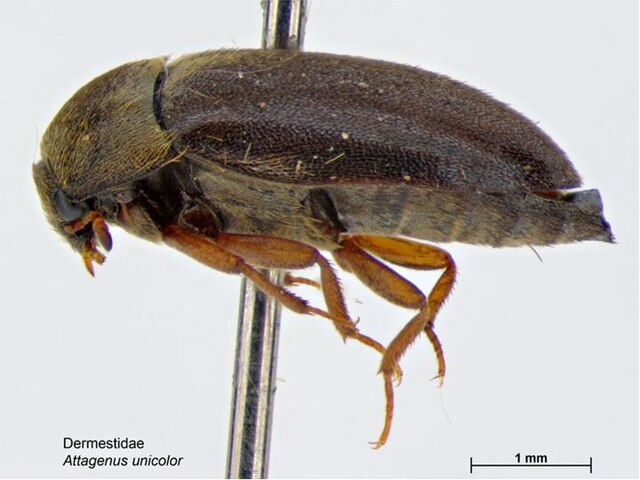
By Caroline Harding, MAF - This image is found here at PaDIL, a source of images designed for Biosecurity and Biodiversity.This tag does not indicate the copyright status of the attached work. A normal copyright tag is still required. See Commons:Licensing for more information.PaDIL, CC BY 3.0 au, Link
Black Carpet Beetle
- Size: 1/8 to 3/16 inch
- Appearance: Oval-shaped, black or very dark brown with short legs and antennae
- Where Found: Under carpets, in wool clothing, furniture stuffing, or baseboards
- Evidence: Irregular holes in fabric, shed skins, larvae in corners
- Behavior: Larvae feed on natural fibers; adults may be found near windows
- Inspection Tip: Look for larvae in hidden areas like under rugs or behind furniture
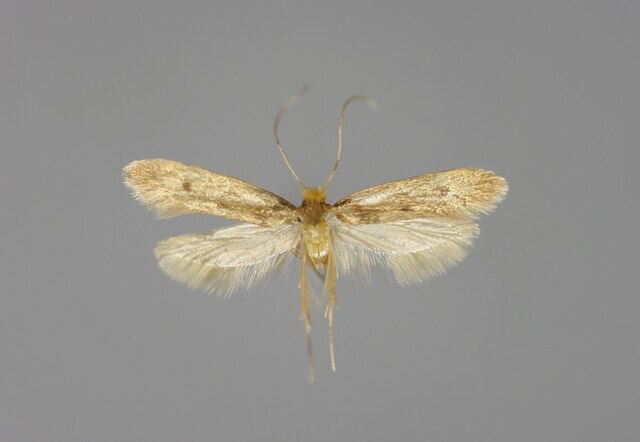
By Michael Kurz - https://www.salzburg.com/wiki/index.php/Datei:E-MK-17524a.jpg, CC BY-SA 3.0 at, Link
Case-Making Clothes Moth
- Size: ⅜ inch
- Appearance: Buff-colored body, fringed wings, larvae live in portable silk cases
- Where Found: Closets, drawers, and stored clothing made of wool, fur, or silk
- Evidence: Holes in garments, silk cases stuck to fabrics
- Behavior: Females lay eggs on natural fibers; larvae consume keratin-based materials
- Inspection Tip: Check garment folds and seams for larval cases or droppings
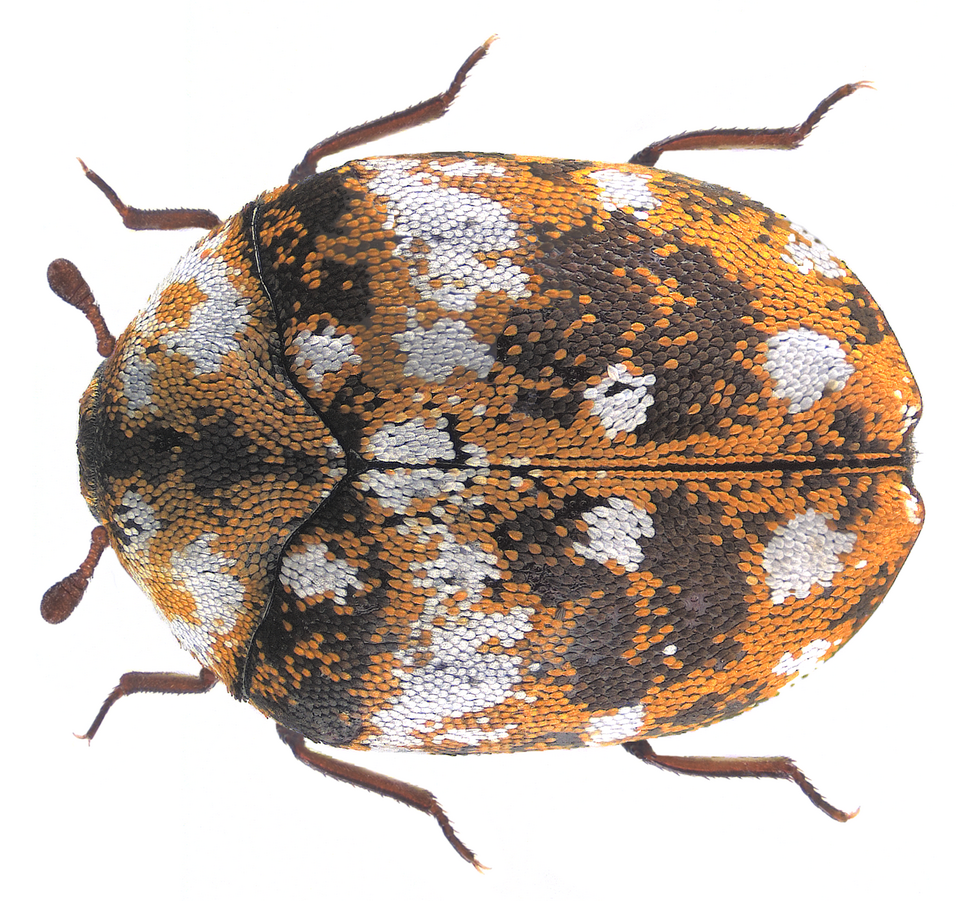
Furniture Carpet Beetle
- Size: 1/16 to 1/8 inch
- Appearance: Oval, with mottled pattern of white, yellow, and black scales
- Where Found: Upholstered furniture, drapes, stored clothing
- Evidence: Shed skins, tiny fecal pellets, or bald patches in fabric
- Behavior: Larvae feed on feathers, wool, and animal-based materials
- Inspection Tip: Use a flashlight to inspect under cushions or around seams
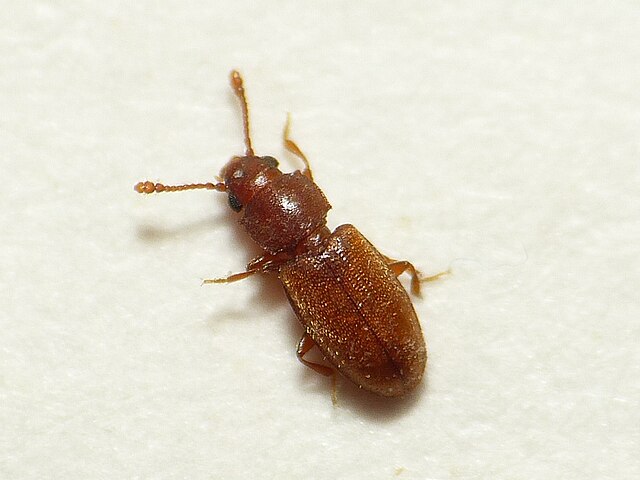
By This image is created by user Dick Belgers at Waarneming.nl, a source of nature observations in the Netherlands. - This image is uploaded as image number 4182946 at Waarneming.nl, a source of nature observations in the Netherlands.This tag does not indicate the copyright status of the attached work. A normal copyright tag is still required. See Commons:Licensing for more information., CC BY 3.0, Link
Foreign Grain Beetle
- Size: 1/16 inch
- Appearance: Small reddish-brown beetle with ridged thorax
- Where Found: Stored food products, book bindings, damp paper
- Evidence: Beetles crawling on books, grains, or wallpaper
- Behavior: Feed on moldy or deteriorating organic material
- Inspection Tip: Inspect damp cardboard, stacks of books, or flour bins
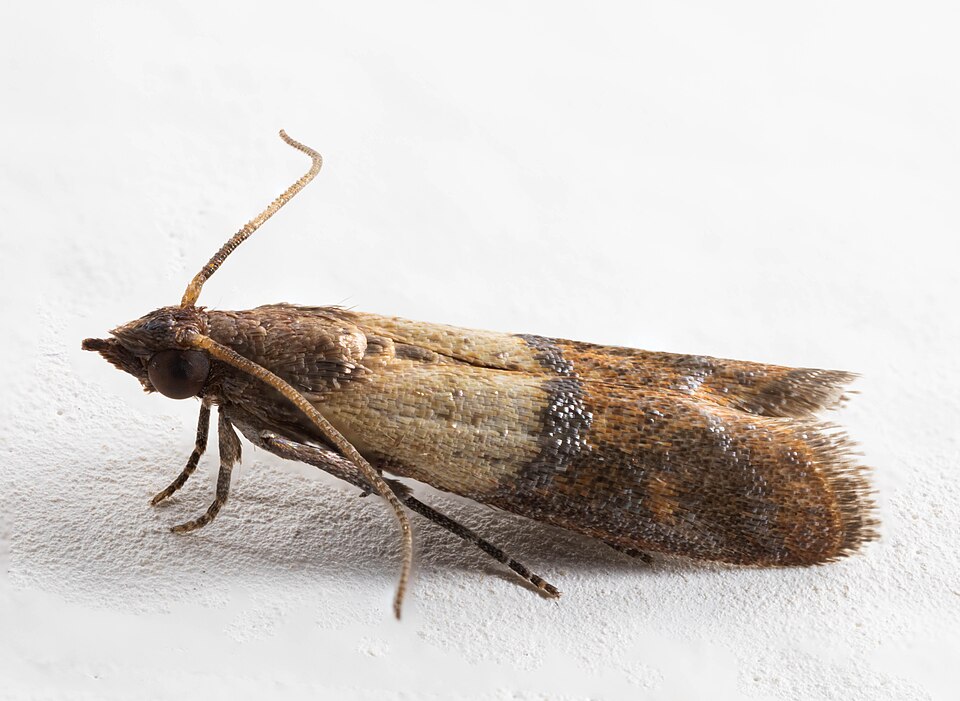
Indianmeal Moth
- Size: ½ inch
- Appearance: Reddish-brown wings with coppery tips
- Where Found: Pantry, dry goods, food storage
- Evidence: Webbing in food packages; larvae crawling in containers
- Behavior: Lay eggs in grains, cereal, nuts, and dried fruit
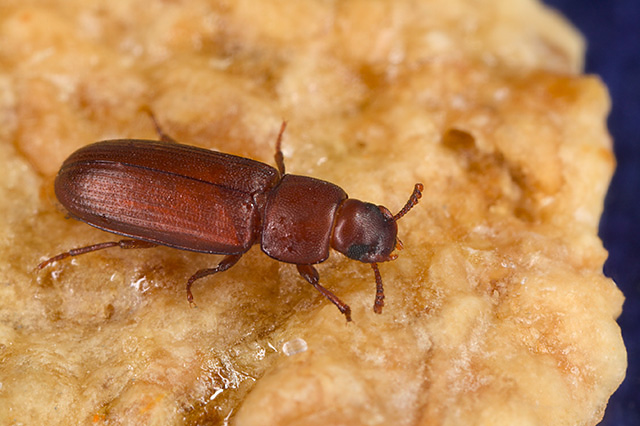
Red Flour Beetle
- Size: ¾ to 1 inch
- Appearance: Dark brown to black with long antennae
- Where Found: Basements, garages, under porches
- Evidence: Chirping noises at night; fecal droppings
- Behavior: Attracted to warmth and light; may damage fabrics or paper
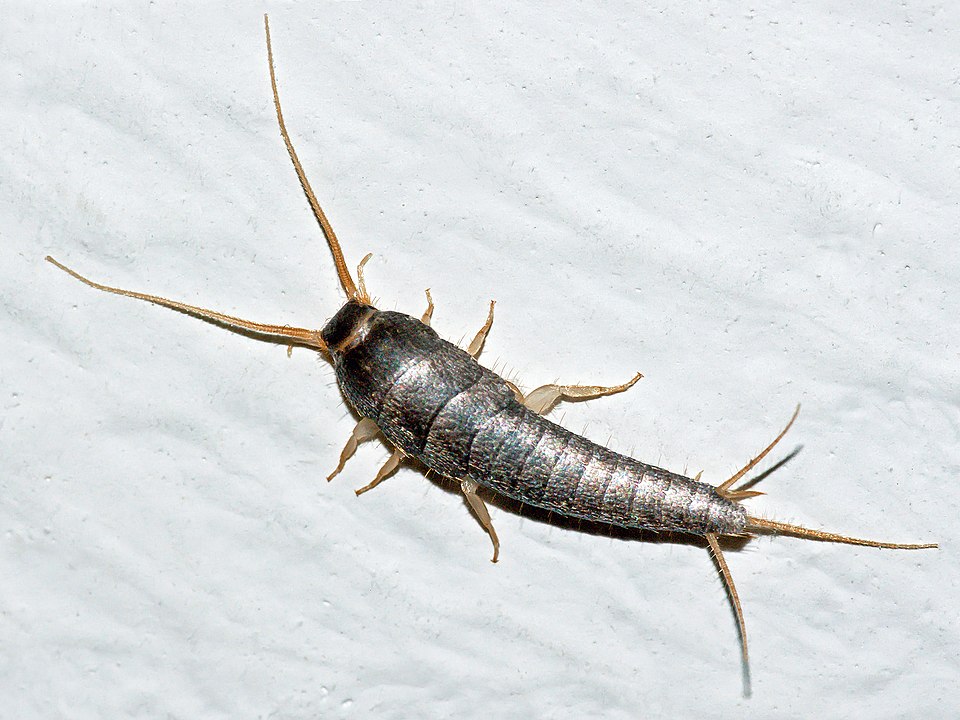
By Christian Fischer, CC BY-SA 3.0, Link
Silverfish
- Size: ½ to ¾ inch
- Appearance: Silvery-gray, teardrop-shaped, with antennae and three tail bristles
- Where Found: Bookshelves, bathrooms, basements
- Evidence: Paper damage, yellow stains, cast skins
- Behavior: Thrive in humidity and feed on paper, glue, and starch
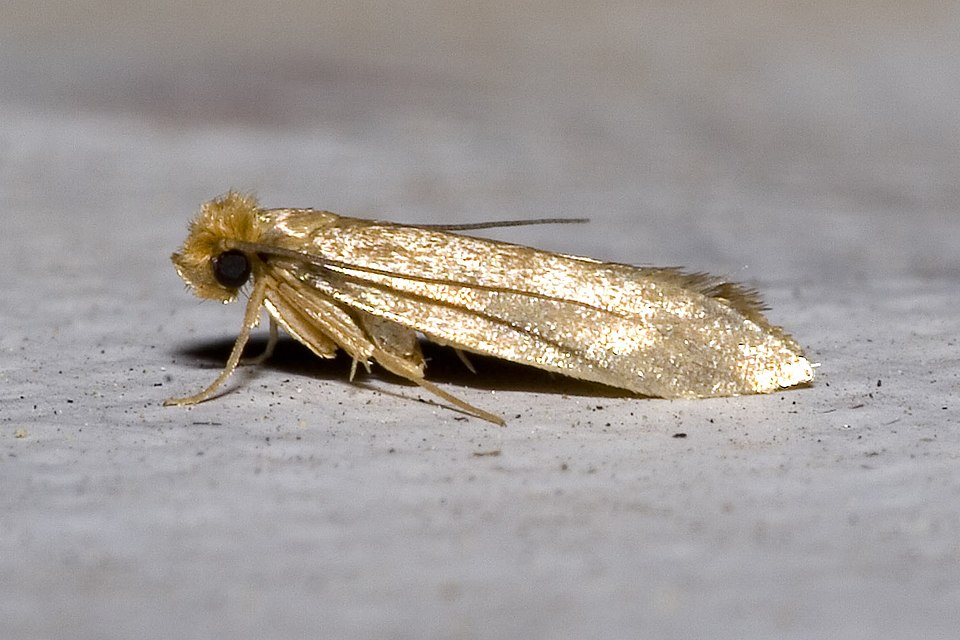
Webbing Clothes Moth
- Size: ½ inch wingspan
- Appearance: Pale yellow to tan, narrow wings fringed with hairs
- Where Found: Closets, wool storage bins, antique fabrics
- Evidence: Silken webbing in corners of drawers or clinging to clothes
- Behavior: Larvae cause damage while feeding; adults avoid light
- Inspection Tip: Look for small cocoons or live larvae in folds and seams
Fabric Pests Are Sneaky But We’re Not
Call or text (573) 368-3333 for fast identification and safe elimination of paper and fabric pests in Central Missouri homes.
What to Do About Paper & Fabric Pests
Stop the Damage Before It Starts
Early action is the key to protecting your belongings from fabric and paper pests:
- Clean and vacuum infested areas thoroughly
- Discard heavily infested or damaged items
- Store wool, fur, and cotton in sealed containers
- Lower humidity in closets and basements
- Inspect secondhand furniture and clothing before bringing it inside
- Schedule a pest inspection if signs return after cleaning
Professional treatment is often required to fully eliminate hidden larvae and eggs.
FAQs About Fabric-Damaging Pests
Do carpet beetles bite humans?
No, but their larvae can irritate skin when touched. The damage they cause is to fabrics, not people.
Can clothes moths eat synthetic fabrics?
Typically no—these pests prefer natural fibers like wool, silk, or feathers, but may nibble synthetic blends if mixed.
How do I know it’s not regular wear and tear?
Pest damage is often irregular and clustered, unlike normal thinning or fraying. Also, pest evidence like cocoons or larvae is a giveaway.
Can I treat my closet myself?
Cleaning helps, but many pests lay eggs in hard-to-reach areas. A professional treatment ensures total control.
Are silverfish dangerous?
Not to humans, but they can damage books, photos, wallpaper, and important documents by feeding on starches and glues.
Your Belongings Deserve to Be Protected
Plank Termite & Pest Control offers safe, proven solutions for hard-to-spot pests—and we back it with a 100% Satisfaction Guarantee. Call or text (573) 368-3333 to schedule service today.
Larry Lyle
My 2nd time doing business with this locally owned and highly recommended company. The trchs were extremely thorough in the indoor and outdoor assessment and did a great job with answering all questions. Prices are more than reasonable especially when compared to other “big name pest control” businesses. We are subscribed to future services now as well. A+
Dorothy Hand
Termite inspection, Termite extermination, Cockroach extermination, General wildlife removal
Jacob did a nice job of taking care of the squirrel nest. No chemicals were needed. Personable young man who was clear about what was needed and helped to remedie the problem.
Brian Molloy
I’ve been using Plank Pest Control for a couple of years now. My experience with them has been not only positive and professional but pleasant as well. I’ve known the Plank family since childhood and seeing the second generation of them do what they do best makes me very grateful for my acquaintance with the company. Not only do they get rid of all the creepy crawlers they make sure to answer any and all questions I might have regarding the job they’ve done.
Brian
Awesome service from a very respectable young man will do businesses with them from now on
Nicholas Peters
Great service at an excellent price. Technicians are prompt and always discuss options for treatment around the home.


