
Plank Termite & Pest Control
Pest ID: Rodents
Bites You Can’t Ignore
Mosquito Control in Rolla, MO and Central Missouri
Mosquitoes are more than a summertime nuisance—they’re a health hazard and a major disruption to outdoor living. In Rolla and the greater Central Missouri region, mosquitoes thrive near standing water, tall grass, and even clogged gutters. Their itchy bites can ruin backyard BBQs, patios, and even indoor peace when they slip inside. Even worse, some mosquito species can transmit dangerous diseases like West Nile virus, Zika, and encephalitis. Fortunately, Plank Termite & Pest Control offers targeted Mosquito Control to help reduce breeding zones and protect your property. We proudly serve Rolla, Osage Beach, Lebanon, Waynesville, Camdenton, and surrounding Central Missouri communities with trusted mosquito and pest control services.
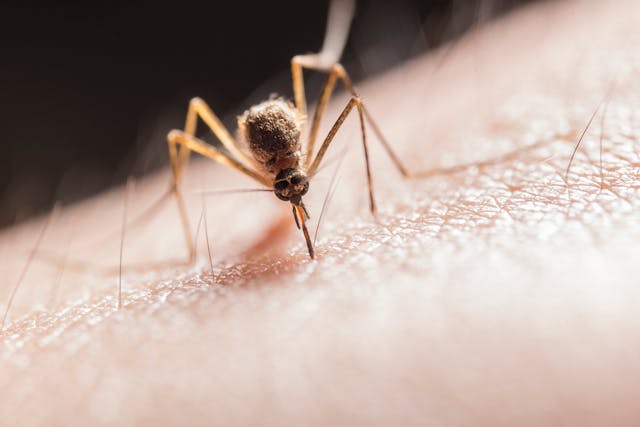
Mosquito Identification
Understanding the types of mosquitoes in Missouri can help you prevent infestations and lower health risks. Here are the most common species in our area:
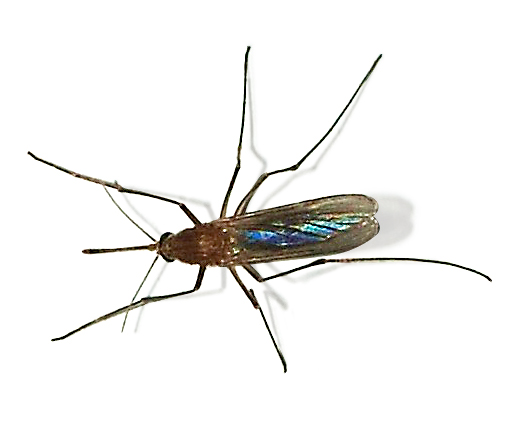
Culex Mosquito (Common House Mosquito)
- Size: ¼–½ inch long
- Appearance: Grayish-brown body with long legs and narrow wings
- Habits: Active mainly at dawn and dusk
- Where Found: Near ponds, birdbaths, storm drains, and standing water
- What to Look For: Larvae (“wigglers”) in standing water, adult mosquitoes resting in shaded areas
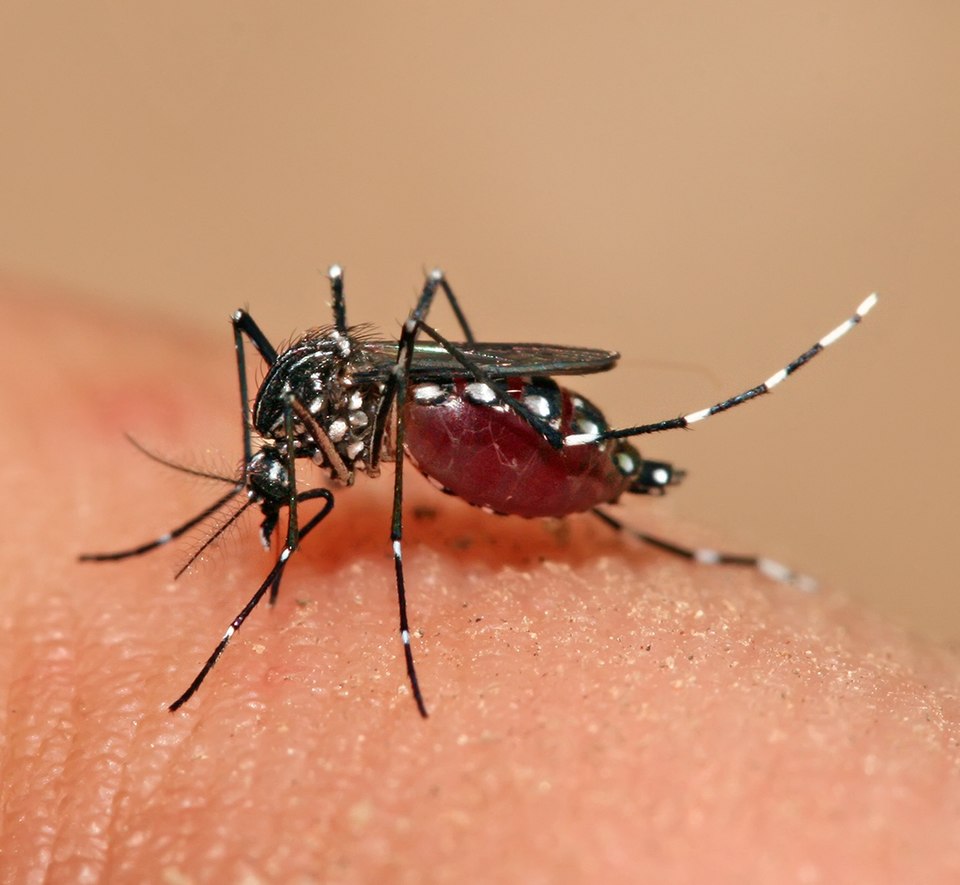
Aedes (Asian Tiger Mosquito)
- Size: About ¼ inch long
- Appearance: Black body with white striped legs and a white stripe down the back
- Habits: Aggressive daytime biter, active in the morning and afternoon
- Where Found: In containers, tires, gutters, and planters that collect water
- What to Look For: Eggs stuck to container sides, visible adults during daylight hours
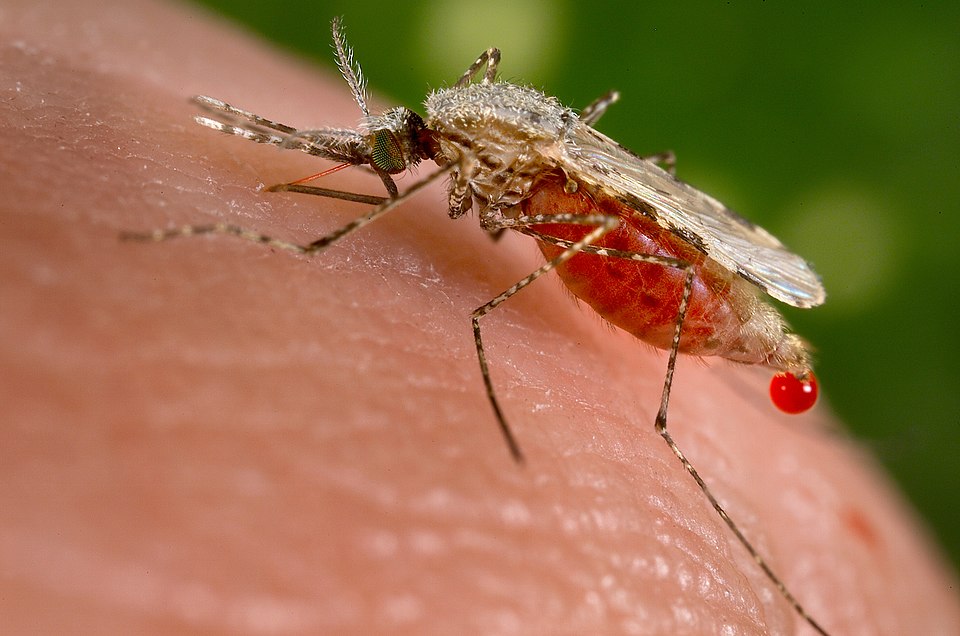
By Jim Gathany - This media comes from the Centers for Disease Control and Prevention's Public Health Image Library (PHIL), with identification number #5814.Note: Not all PHIL images are public domain; be sure to check copyright status and credit authors and content providers., Public Domain, Link
Anopheles Mosquito
- Size: ¼–⅜ inch long
- Appearance: Brown body, wings with dark spots, head lower than thorax when resting
- Habits: Active at night and dawn
- Where Found: Wetlands, ponds, and grassy marsh areas
- What to Look For: Clusters of adults near water, especially in the evening
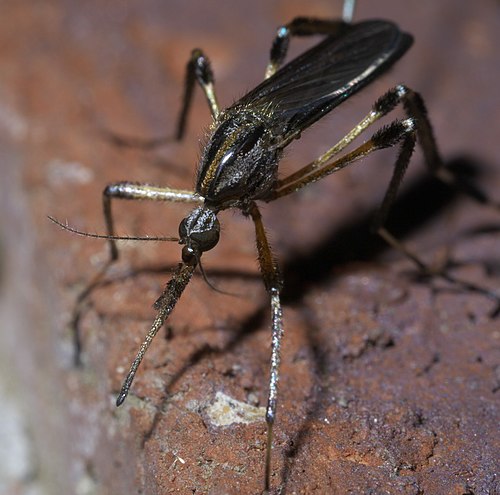
Gallinipper (Psorophora ciliata)
- Size: Up to ½ inch—one of the largest mosquito species
- Appearance: Dark with banded legs and a robust body
- Habits: Aggressive biters, active during day and night
- Where Found: Floodplain areas and moist fields after heavy rain
- What to Look For: Large, fast-moving mosquitoes, often following rain events
Don’t Let Mosquitoes Take Over
Call or text (573) 368-3333 to schedule your mosquito inspection and control service with Plank Termite & Pest Control.
What to Watch For
Signs of a Mosquito Problem
Mosquito activity often ramps up slowly, but they leave signs you can’t miss:
- Persistent buzzing around porches, doors, or shaded areas
- Itchy red bites, especially on ankles, arms, or legs
- Visible adult mosquitoes resting in cool, dark corners
- Larvae or pupae in standing water—look for movement in birdbaths, buckets, or clogged gutters
- Swarms near dusk, especially around tall grass or wooded edges
If you see or feel any of the above, there may be active breeding sites nearby.

Protect Your Home and Health
Mosquito Facts & Prevention in Central Missouri
Mosquitoes are more than annoying; they can carry serious health risks. In Central Missouri, we often deal with species that can transmit:
- West Nile Virus
- Zika Virus
- Encephalitis
- Heartworm (to pets, especially dogs)
To help prevent mosquito activity around your home or business:
- Empty or clean water-holding containers weekly (birdbaths, plant saucers, kiddie pools)
- Clear clogged gutters and drains
- Keep lawns mowed and shrubs trimmed
- Use fans or screens in outdoor areas
- Schedule routine mosquito control treatments
Professional help can dramatically reduce mosquito populations and breeding areas.
FAQs About Mosquitoes
Why are mosquitoes worse after rain?
Standing water from rain creates perfect breeding grounds. Mosquitoes lay eggs in shallow water, and larvae hatch quickly—often within 48 hours.
What attracts mosquitoes to me?
Carbon dioxide, body heat, sweat, and certain body odors attract mosquitoes. Some people are more prone to bites based on body chemistry.
Can mosquitoes live indoors?
Yes. Mosquitoes can enter through open doors or windows and hide in cool, dark areas like closets, bathrooms, or under furniture.
Do all mosquitoes bite?
No. Only female mosquitoes bite because they need blood to develop eggs. Males feed on plant nectar.
What’s the best way to eliminate mosquitoes?
Eliminating standing water is key. Combined with professional treatments and repellents, you can greatly reduce your mosquito problem.
We Guarantee a Bite-Free Backyard
At Plank Termite & Pest Control, all mosquito treatments are backed by our 100% Satisfaction Guarantee. Let us help you reclaim your outdoor space today. Call or text (573) 368-3333 to schedule mosquito control service for your home or business.
Nicholas Peters
Great service at an excellent price. Technicians are prompt and always discuss options for treatment around the home.
Judyann Krenning
Very professional and polite. Definitely knew his business. Our problem was taken care of easily.
Maggie Edmonds
I give Plank Pest Control 5 stars for service, reliability, and courtesy. I recommend highly. I appreciate being able to depend on them to answer questions and always being available to help in an emergency (bee infestation....I am dangerously allergic to bee stings).
Teresa French
Jacob was fantastic. Super nice. Listened to my babbling and concerns.
Chris Kallaos
Plank always does a great job for us. They show up when they say they will, and their treatments are effective.

![[1]](http://images.nbii.gov/mammals/nbii_t00362.jpg)