
Plank Termite & Pest Control
Pest ID: Flies
Bothered by Buzzing?
Reliable Fly Pest Control in Rolla, MO and Central Missouri
Flies may seem like a minor nuisance, but in Rolla and the surrounding Central Missouri region, they can quickly become a major problem, especially during warmer months. These pests aren't just annoying; they can also contaminate food, spread disease, and disrupt business operations. Whether you're battling fruit flies in your kitchen or sewage flies in your drains, it’s important to act fast. At Plank Termite & Pest Control, we provide targeted fly control solutions for both homes and commercial properties. Our experienced team knows exactly how to identify the source of your fly problem and eliminate it for good.
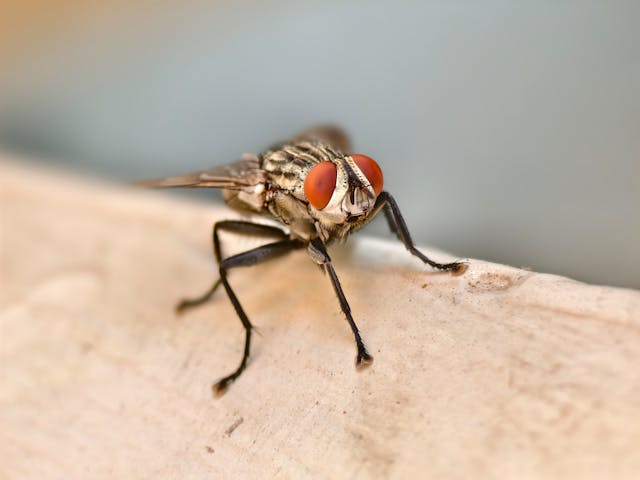
Fly Identification
Understanding which type of fly you're dealing with helps determine the best treatment strategy. Here are six common types of flies found in Missouri:
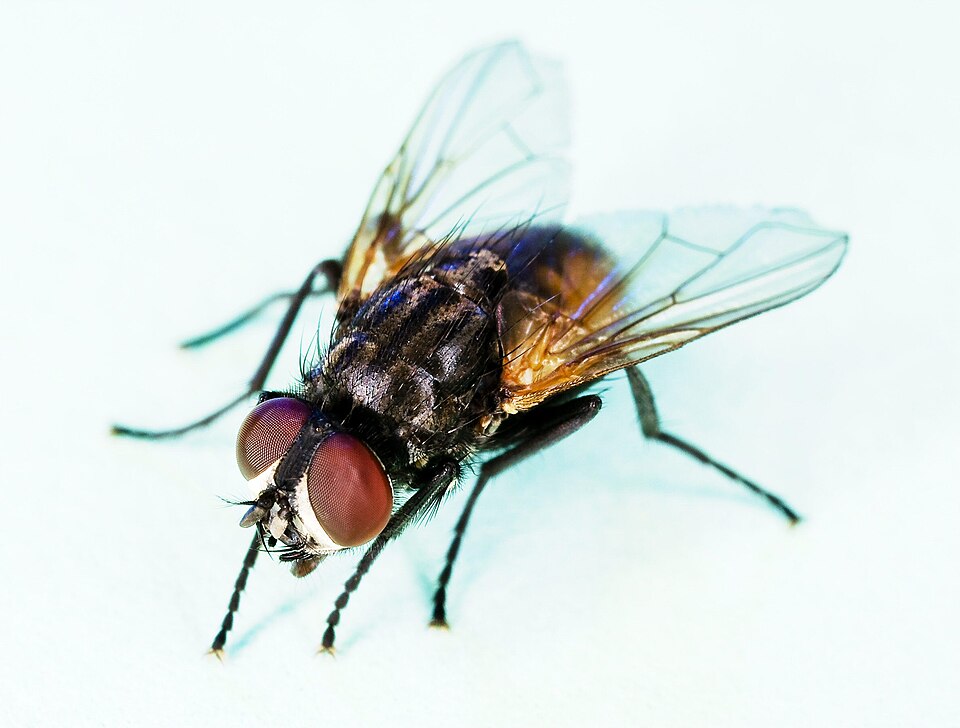
House Fly
One of the most common indoor pests. House flies are dull gray with four black stripes on their thorax and grow about ¼ inch long.
- Found around trash cans, food prep areas, and windows
- Attracted to food waste, pet droppings, and decaying matter
- Look for adult flies during the day and maggots near waste bins
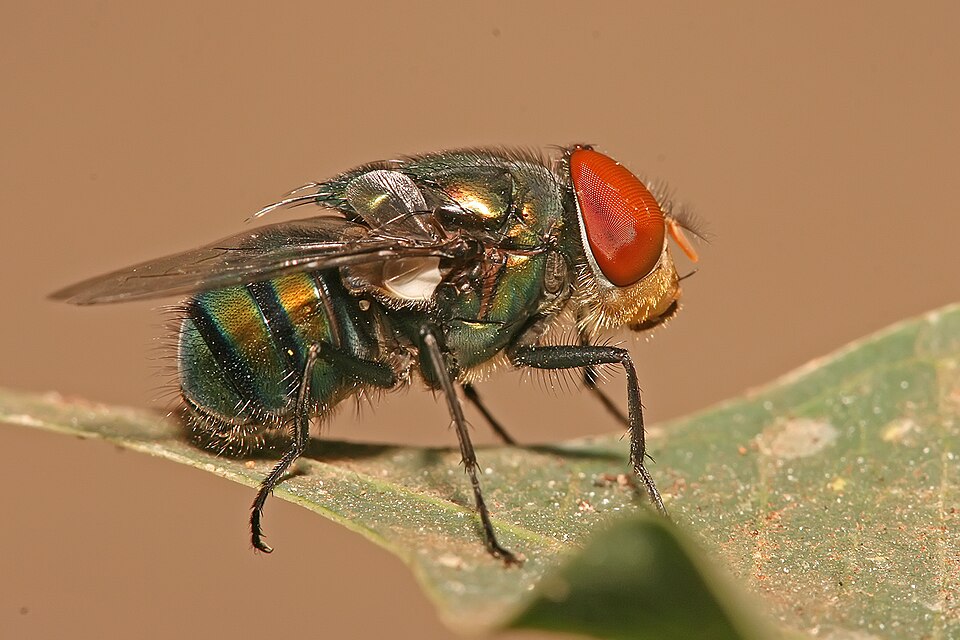
Green Blow Fly
These metallic green flies are larger than house flies and are associated with decay.
- Found near dead animals, garbage bins, and open compost
- Indicators include a strong odor and clusters of flies near carcasses or organic waste
- May enter buildings looking for breeding spots
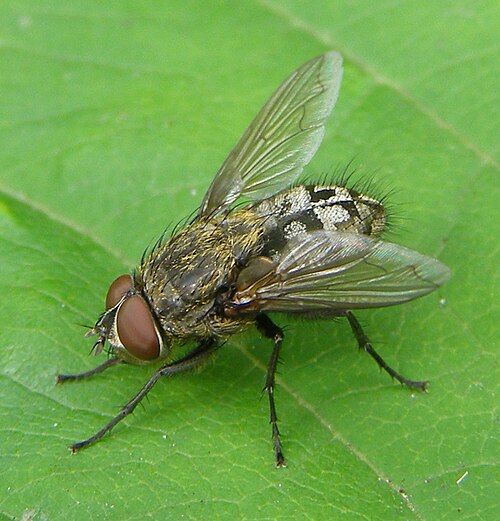
Cluster Fly
Cluster flies are sluggish, dark gray flies that gather in large numbers inside walls or attics during cooler months.
- Found behind curtains, around windows, or in ceiling lights
- Common in fall or early spring when flies are emerging from hibernation
- Look for dozens of slow-moving flies in upper levels of buildings
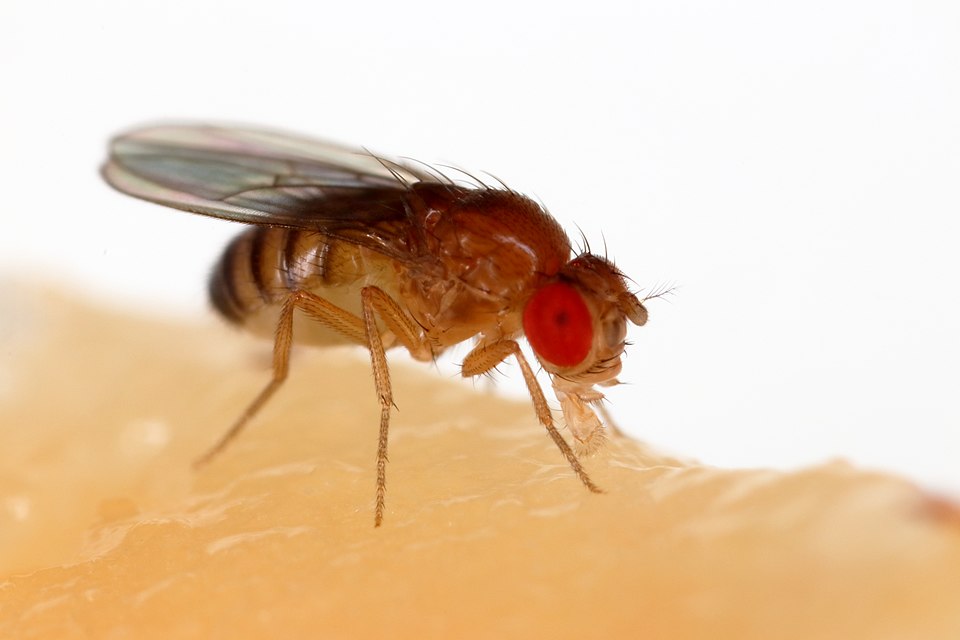
Fruit Fly
Tiny (⅛ inch), tan-bodied flies with red eyes, often found around fruit bowls and garbage disposals.
- Attracted to ripe or fermenting fruit, sugary liquids, and dirty drains
- Look for adult flies near sinks and fruit baskets, and larvae near moist organic material
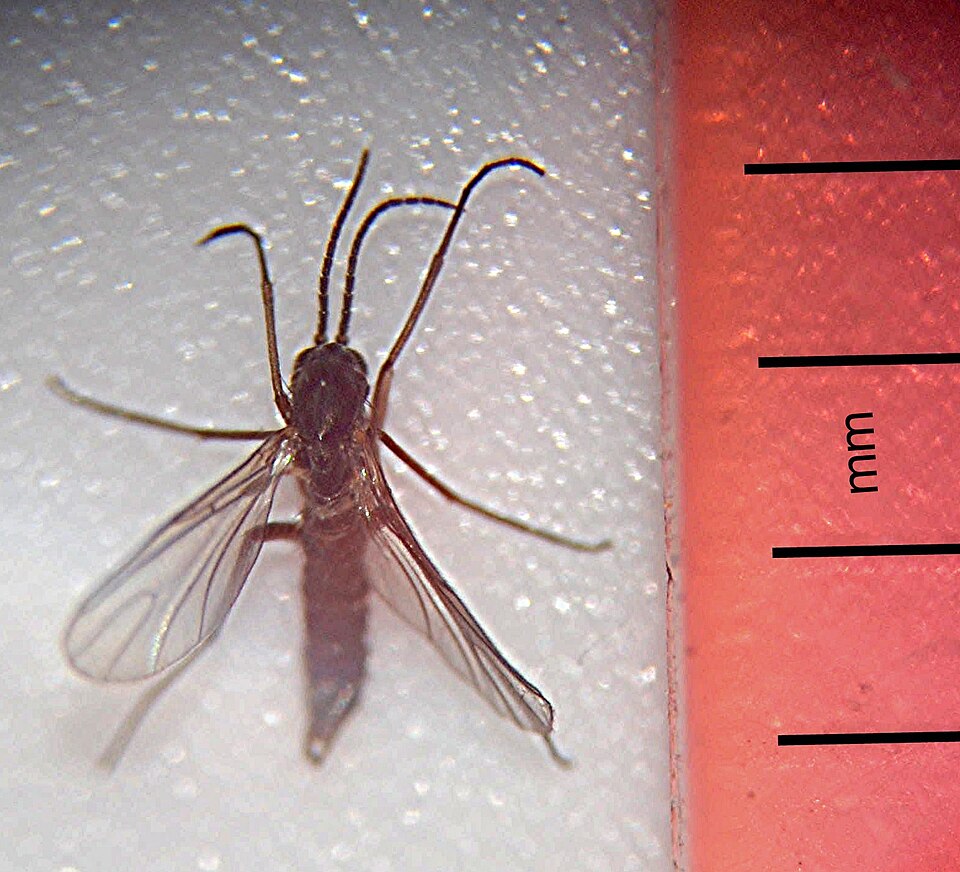
Fungus Gnat
Small, dark-colored flies resembling mosquitoes. Often confused with fruit flies but found in overwatered houseplants.
- Found in indoor potted plants, greenhouses, and moist soil
- Evidence includes slow-flying adults and larvae in plant soil
- Inspect soil moisture and drain pans for larval activity
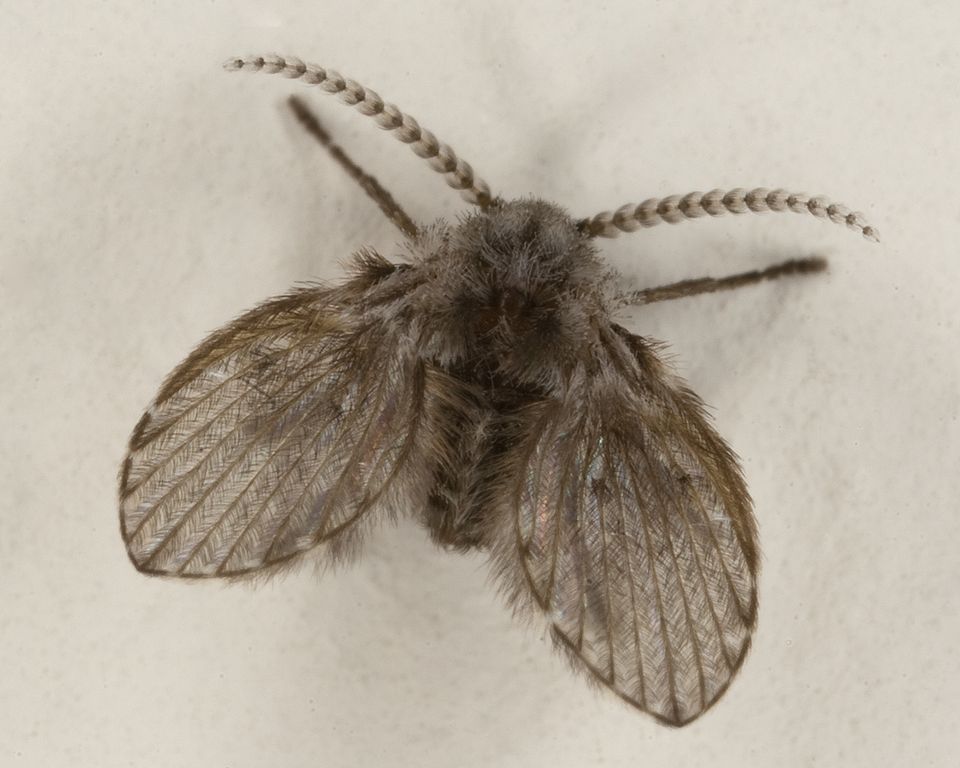
Drain (Sewage) Fly
Fuzzy, moth-like flies that breed in slimy organic material in drains.
- Common in commercial restrooms, homes, and kitchens with slow drains
- Look for adults resting near sinks or tubs
- Evidence includes flies emerging from drains and a buildup of sludge in pipes
Take Control of Your Fly Problem
Don’t wait for flies to multiply. Call or text Plank Termite & Pest Control at (573) 368-3333 to schedule your fly inspection and protect your property with proven solutions.
Why Flies Invade
Common Causes of a Fly Infestation
Flies are drawn to moisture, food waste, and unsanitary conditions. Even small attractants can lead to an infestation in your home or business.
- Dirty garbage cans, drains, or grease traps
- Standing water from leaks or overwatering
- Rotten or fermenting fruit and produce
- Pet waste in the yard or litter boxes indoors
- Poorly sealed doors and windows
- Open compost or uncovered trash
Many flies can carry harmful bacteria such as E. coli and Salmonella, posing serious health risks to humans and pets.

Keep Flies from Returning
How to Prevent Fly Infestations in Central Missouri
Prevention starts with sanitation and sealing off common fly entry points. Here’s how you can stop them before they spread:
- Clean drains regularly with an appropriate enzyme-based product
- Dispose of overripe produce and store fruit in the fridge
- Take out the trash daily and keep cans tightly sealed
- Fix leaks and reduce excess moisture indoors and outdoors
- Keep doors and windows sealed with screens in good condition
- Inspect potted plants for overwatering or decaying organic material
For year-round protection, ask about our Perimeter Guard Pest Control Plans to keep flying pests from taking over your space.
FAQs About Flies
Can flies really spread disease?
Yes. Flies are known to carry pathogens like Salmonella, E. coli, and Shigella. They pick up bacteria from rotting material or feces and transfer it to food and surfaces.
What’s the difference between fruit flies and drain flies?
Fruit flies are attracted to fermenting produce and sugary liquids, while drain flies breed in organic sludge within pipes and drains. Their appearance and behavior are similar but require different treatment approaches.
Can I get rid of flies on my own?
Surface cleaning and fly traps can reduce numbers but rarely eliminate the source. Professional inspection and treatment ensure the root cause is addressed, especially for drain flies or cluster flies.
Are fly infestations seasonal?
Yes. Most flies are more active in spring and summer, but some like cluster flies invade during cooler months to overwinter inside walls and attics.
We Stand Behind Our Work
At Plank Termite & Pest Control, every service is backed by our 100% Satisfaction Guarantee. Whether it’s a few fruit flies or a full-blown infestation, we’ll eliminate the problem and keep it from coming back. Call or text (573) 368-3333 to schedule your fly control service today.
Maggie Edmonds
I give Plank Pest Control 5 stars for service, reliability, and courtesy. I recommend highly. I appreciate being able to depend on them to answer questions and always being available to help in an emergency (bee infestation....I am dangerously allergic to bee stings).
JP Maxwell
I can't recommend Plank Termite & Pest Control enough! They came to our house within 2 days of scheduling and the service was incredible. Great customer service with very thorough treatment using non-harmful chemicals to us or our pets. Plank always delivers and they're locally owned!
Brian Molloy
I’ve been using Plank Pest Control for a couple of years now. My experience with them has been not only positive and professional but pleasant as well. I’ve known the Plank family since childhood and seeing the second generation of them do what they do best makes me very grateful for my acquaintance with the company. Not only do they get rid of all the creepy crawlers they make sure to answer any and all questions I might have regarding the job they’ve done.
Dorothy Hand
Termite inspection, Termite extermination, Cockroach extermination, General wildlife removal
Jacob did a nice job of taking care of the squirrel nest. No chemicals were needed. Personable young man who was clear about what was needed and helped to remedie the problem.
Chris Kallaos
Plank always does a great job for us. They show up when they say they will, and their treatments are effective.
