
Plank Termite & Pest Control
Pest ID: Wood-Destroying Insects
Silent Destroyers of Missouri Homes
Wood-Destroying Insect Identification in Central Missouri
Termites, carpenter ants, wood-boring beetles and carpenter bees affect wood in different ways. Identifying the insect and inspecting the affected area helps determine the appropriate response. Plank Termite & Pest Control serves Rolla and Central Missouri. Explore our termite identification guide or contact us to discuss wood damage and inspection options.
Wood-Destroying Insects Identification
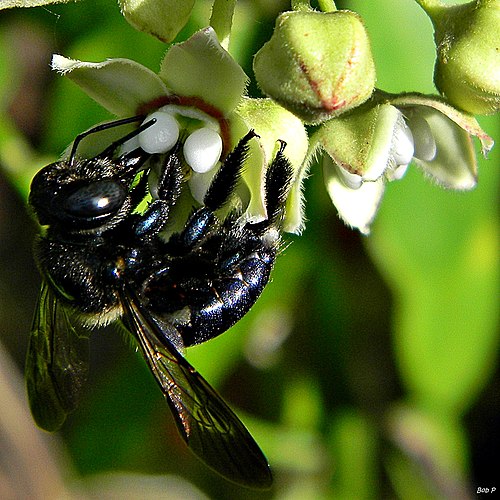
Carpenter Bees
- Size: ½ to 1 inch
- Appearance: Black or metallic blue with a shiny, hairless abdomen
- Where Found: Decks, eaves, siding, fascia, untreated wood
- Evidence: Perfectly round holes drilled into wood and piles of sawdust beneath openings
- Behavior: Solitary bees that tunnel into wood to lay eggs; return annually if untreated
- Inspection Tip: Look for frass (sawdust) around fascia boards or holes on exposed wood surfaces
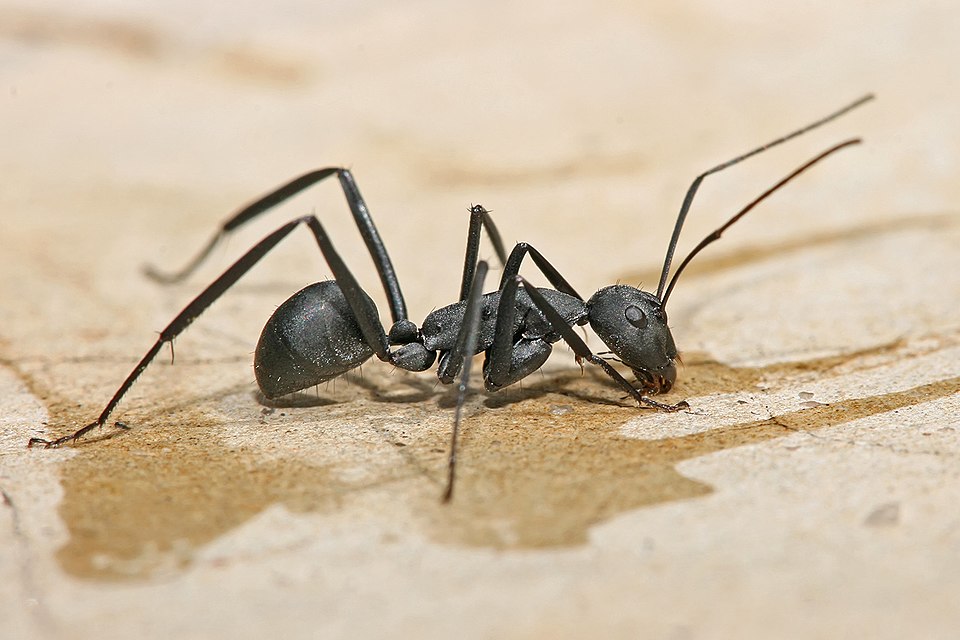
Carpenter Ants
- Size: ¼ to ½ inch
- Appearance: Black or dark brown with elbowed antennae and narrow waist
- Where Found: Inside walls, attics, hollow doors, and water-damaged wood
- Evidence: Sawdust piles, rustling sounds in walls, large black ants indoors
- Behavior: Do not eat wood but excavate it to build nests, especially near moisture
- Inspection Tip: Tap wood surfaces—hollow-sounding wood may indicate internal galleries
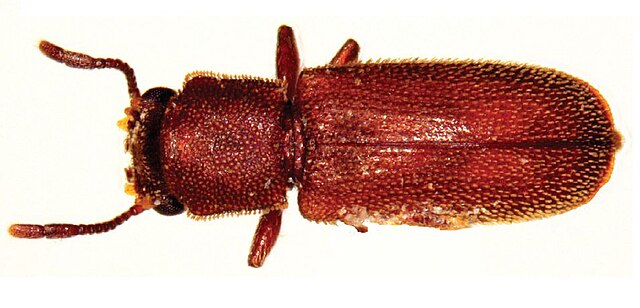
Powder Post Beetles
- Size: ⅛ to ¼ inch
- Appearance: Long, slender body, reddish-brown to black in color
- Where Found: Hardwood flooring, baseboards, furniture, and stored lumber
- Evidence: Fine, powdery dust and small round exit holes in wood
- Behavior: Larvae feed inside wood for months or years before emerging
- Inspection Tip: Shine a flashlight across wood to look for pinholes or active dust trails
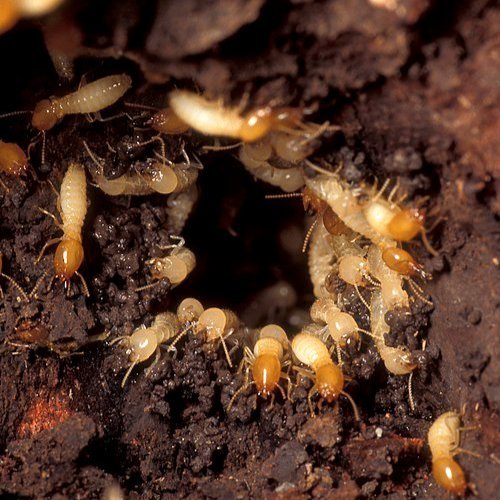
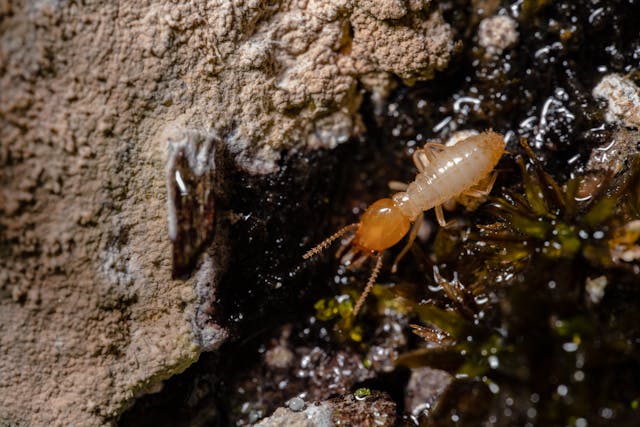
Eastern Subterranean Termites
- Size: ⅛ inch (worker); ½ inch (swarmer)
- Appearance: Creamy white workers, dark brown swarmers with wings
- Where Found: Soil, foundation walls, crawlspaces, mud tubes on exterior walls
- Evidence: Hollow-sounding wood, blistered paint, mud tubes, discarded wings
- Behavior: Feed 24/7 and cause significant structural damage over time
- Inspection Tip: Check basement walls and exterior slabs for pencil-thick mud shelter tubes
Don’t Let Wood Damage Go Unchecked
Call or text (573) 368-3333 to schedule a wood-destroying insect inspection with Plank Termite & Pest Control.
What to Look For
Signs of Wood-Destroying Insects
These observations can help guide an inspection, but they do not establish the species, age of damage or whether activity is current.
- Piles of sawdust (frass) near wooden structures
- Tapping sounds or faint rustling inside walls
- Small, round exit holes in trim, baseboards, or beams
- Swarming insects inside or around your home in spring
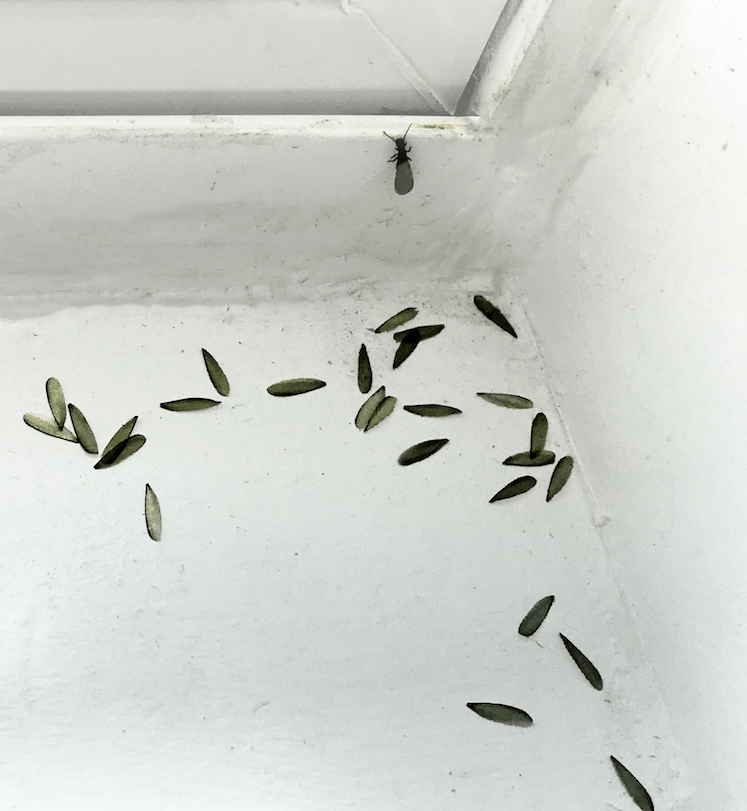
- Discarded wings on windowsills or near doors
- Blistering paint or soft wood under slight pressure
- Mud tubes climbing up foundation walls
Have unexplained wood damage assessed. An insect inspection and a building repair assessment address different questions.
Stop Damage Before It Starts
How to Prevent Wood-Destroying Insects in Missouri
Preventing infestations starts with moisture control, routine maintenance, and professional inspections.
- Keep gutters clear and direct drainage away from the foundation.
- Address leaks and have damaged wood assessed for repair.
- Choose appropriate materials and finishes for outdoor projects.
- Store firewood away from structures.
- Maintain gaps and openings around utility lines.
- Discuss inspection frequency and any treatment recommendations for your property.
Regular monitoring is key to protecting your home’s integrity.
FAQs About Wood-Destroying Insects
Do carpenter ants and termites affect wood in the same way?
No. Carpenter ants excavate nesting galleries, while termites feed on wood. See the MU Extension carpenter ant guide and subterranean termite guide.
Can I tell whether damage is active just by looking?
Appearance alone is not enough. An inspection can assess insect evidence and whether further monitoring is needed.
Does every problem require the same treatment?
No. Recommendations depend on the insect, affected materials, activity and property conditions.
Will pest treatment repair damaged wood?
Pest service and structural repairs are separate. Have a qualified repair professional assess damaged building materials.
Your Home Deserves Expert Protection
We will explain the inspection findings, recommended service and follow-up options. Call (573) 368-3333 or use the contact choices below to discuss your property.
Maggie Edmonds
I give Plank Pest Control 5 stars for service, reliability, and courtesy. I recommend highly. I appreciate being able to depend on them to answer questions and always being available to help in an emergency (bee infestation....I am dangerously allergic to bee stings).
Beth Reddington
He did a great job and he answered all of my questions thank you.
Brian Molloy
I’ve been using Plank Pest Control for a couple of years now. My experience with them has been not only positive and professional but pleasant as well. I’ve known the Plank family since childhood and seeing the second generation of them do what they do best makes me very grateful for my acquaintance with the company. Not only do they get rid of all the creepy crawlers they make sure to answer any and all questions I might have regarding the job they’ve done.
Laura Chilton
I called Plank Termite and Pest Control and an actual person answered the phone! We discussed the pest situation, came up with a solution, set up an appointment for Jacob, the technician, to come to our house. Jacob arrived exactly on time, took care of the situation, made recommendations for the future, provided a receipt and finished the job within about 30 minutes. I highly recommend Plank Termite and Pest Control for their superior professionalism and service.
Brian
Awesome service from a very respectable young man will do businesses with them from now on