
Plank Termite & Pest Control
Pest ID: Ticks, Fleas, & Blood Feeders
Bites, Itching & Infestations
Flea, Tick and Biting Pest Identification
This guide compares fleas, ticks and other biting pests by appearance and where they are found. Bites alone do not reliably identify the pest. A photograph, specimen or inspection can help determine the next step. Plank Termite & Pest Control serves Rolla and Central Missouri; contact us to discuss the activity and appropriate service options. Chiggers are included for comparison, although they feed on dissolved skin tissue rather than blood.
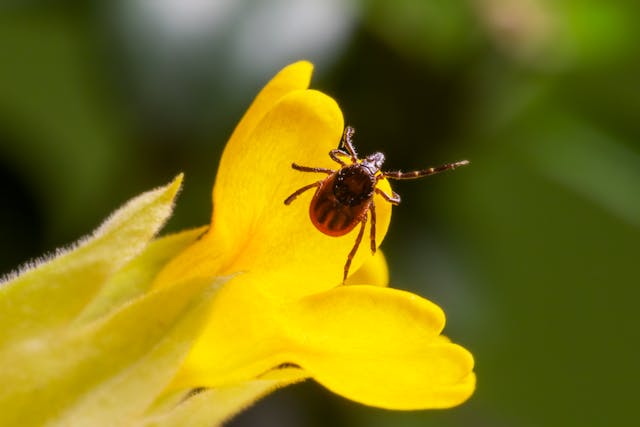
Blood Feeders Identification
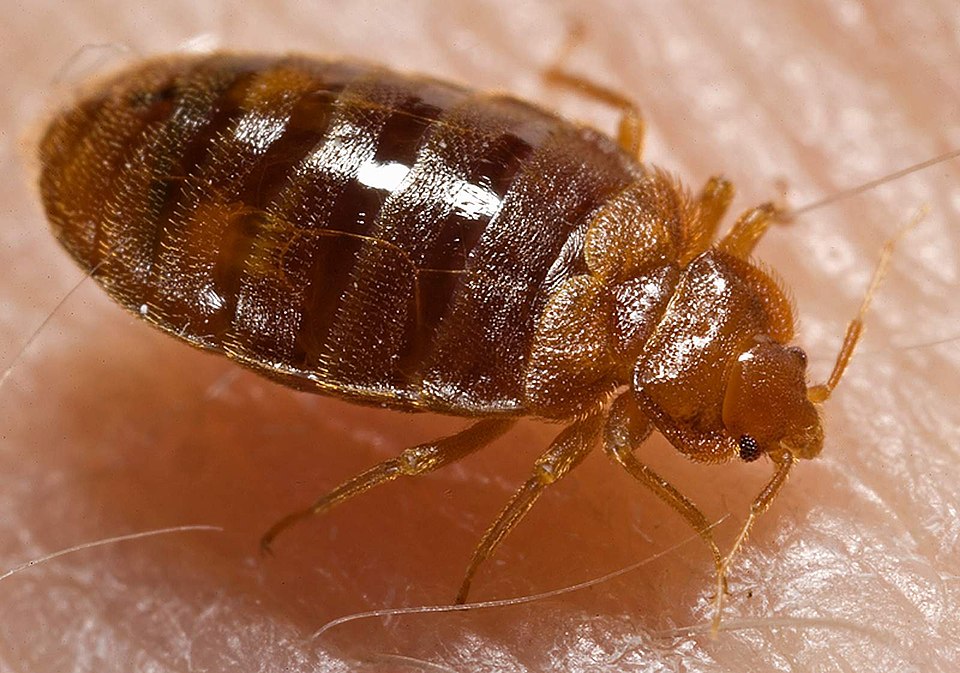
Bed Bugs
- Size: 4–5 mm
- Appearance: Reddish-brown, flat, oval-shaped
- Common Locations: Mattress seams, bed frames, behind headboards, electrical outlets
- Evidence: Look for live bugs, shed skins and dark spotting around sleeping areas. Bites alone do not confirm bed bugs.
- How to Protect Yourself: Encase mattresses, inspect luggage after travel, and reduce clutter in sleeping areas.
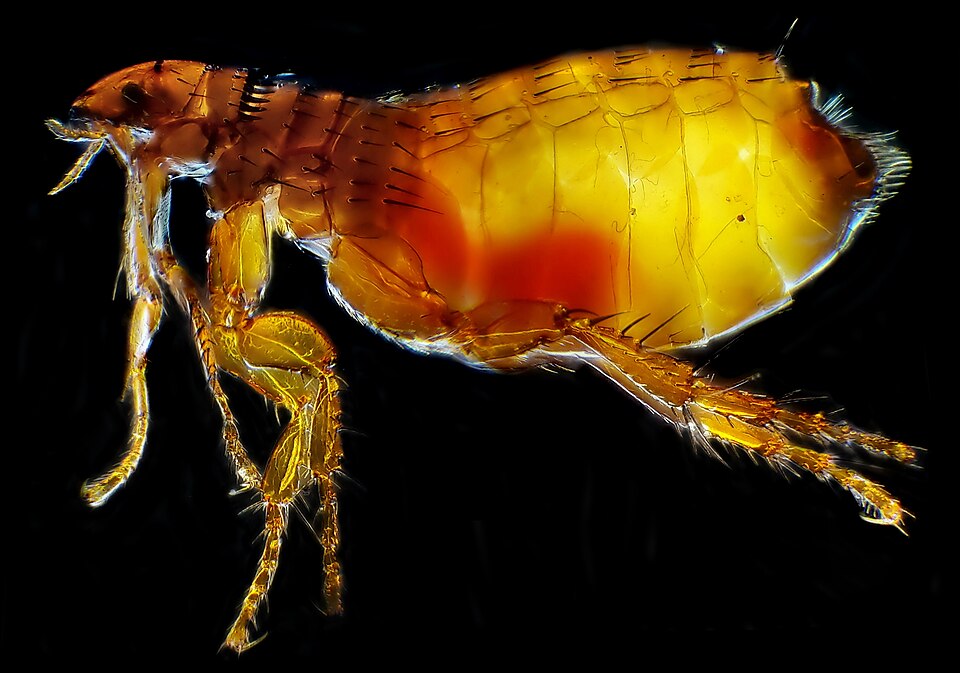
Cat Fleas
- Size: 1–2 mm
- Appearance: Small, dark brown, wingless with powerful hind legs
- Common Locations: On pets, in carpets, upholstery, and bedding
- Evidence: Look for actual fleas or flea dirt on pets and in resting areas; ask a veterinarian about pet symptoms.
- How to Protect Yourself: Treat pets with veterinarian-approved flea prevention and vacuum your home frequently.
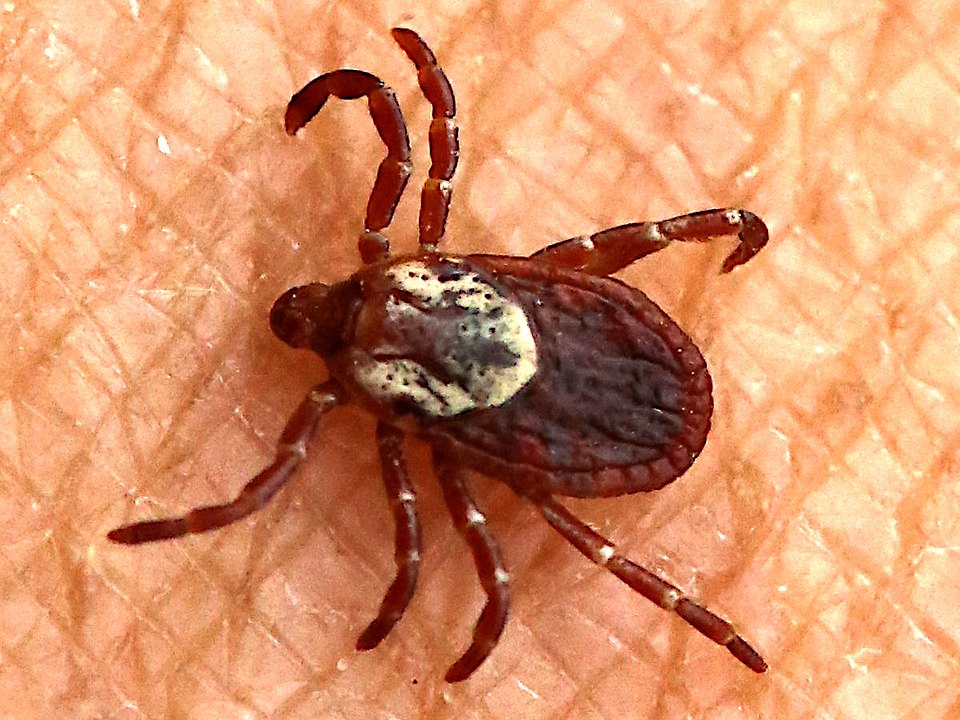
American Dog Tick
- Size: 5 mm (unfed), larger when engorged
- Appearance: Reddish-brown with white markings
- Common Locations: Fields, trails, dog parks; attaches to pets and humans
- Evidence: Finding attached ticks on pets or people, especially near the scalp or behind the ears, is a clear sign of exposure.
- How to Protect Yourself: Wear long sleeves and repellent outdoors; check pets and people after time in tall grass.
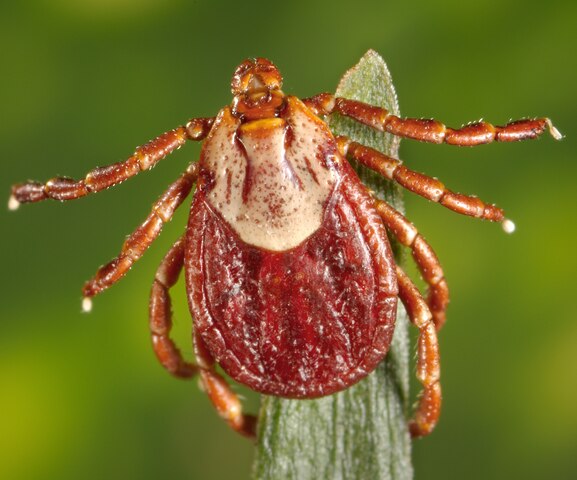
Rocky Mountain Wood Tick
- Size: 4–6 mm
- Appearance: Brown with light gray markings
- Common Locations: Wooded and grassy areas at higher elevations
- Evidence: Identify the tick itself. This western species is included for comparison; skin symptoms do not identify a tick species.
- How to Protect Yourself: Stick to trails when hiking and use tick-repellent spray on clothing and gear.
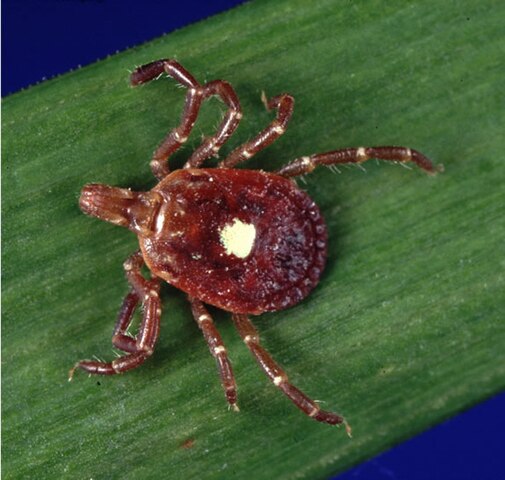
Lone Star Tick
- Size: 3–5 mm
- Appearance: Brown with a white dot on females’ backs
- Common Locations: Wooded areas, underbrush, and near animal bedding
- Evidence: Look for the tick itself and compare its markings. Skin reactions cannot confirm species.
- How to Protect Yourself: Tuck pants into socks, apply repellents, and check for ticks within 2 hours of coming indoors.
Chiggers
- Size: Less than 1 mm (larval stage only bites)
- Appearance: Bright red and nearly microscopic
- Common Locations: Tall grass, weeds, forest edges
- Evidence: Clusters of intensely itchy red welts that often appear under tight clothing, like waistbands or socks.
- How to Protect Yourself: Shower immediately after outdoor activity and apply insect repellent to shoes, pants, and socks.
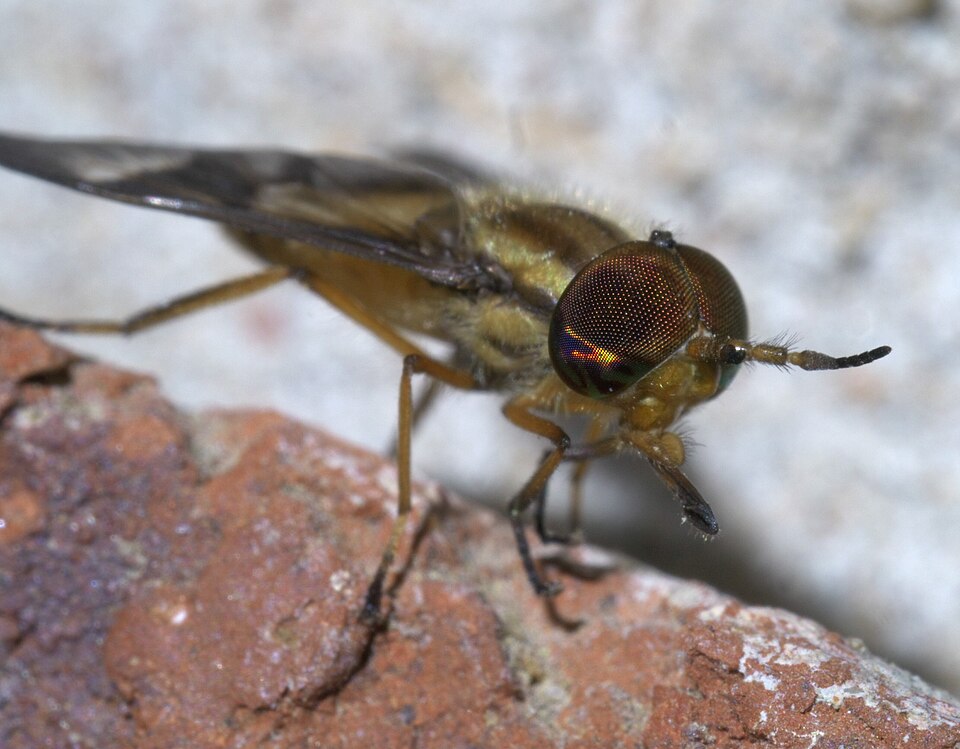
Deer Flies
- Size: 5–12 mm
- Appearance: Yellow-brown with patterned wings and iridescent eyes
- Common Locations: Wetlands, forests, and near livestock
- Evidence: Observe the fly and its wing markings. A bite alone cannot identify it.
- How to Protect Yourself: Wear light-colored clothing and avoid outdoor activity during peak fly hours in the afternoon.
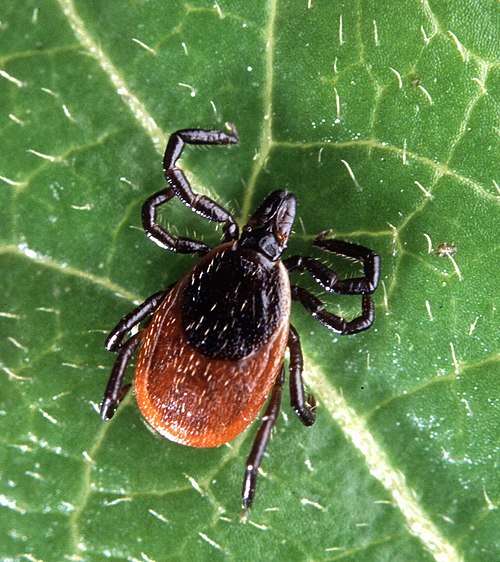
Deer Ticks (Blacklegged Ticks)
- Size: 1–3 mm (adults are about the size of a sesame seed)
- Appearance: Reddish-brown, flat, oval body with darker legs; expands significantly after feeding
- Common Locations: Tall grass, wooded areas, brush piles, pet paths, and yard edges near wooded zones
- Evidence: Look for attached or crawling ticks and obtain identification help; a rash cannot identify the tick.
- How to Protect Yourself: Wear long clothing outdoors, use EPA-registered repellents, check yourself and pets after outdoor activities, and keep yards trimmed and free of tall weeds.
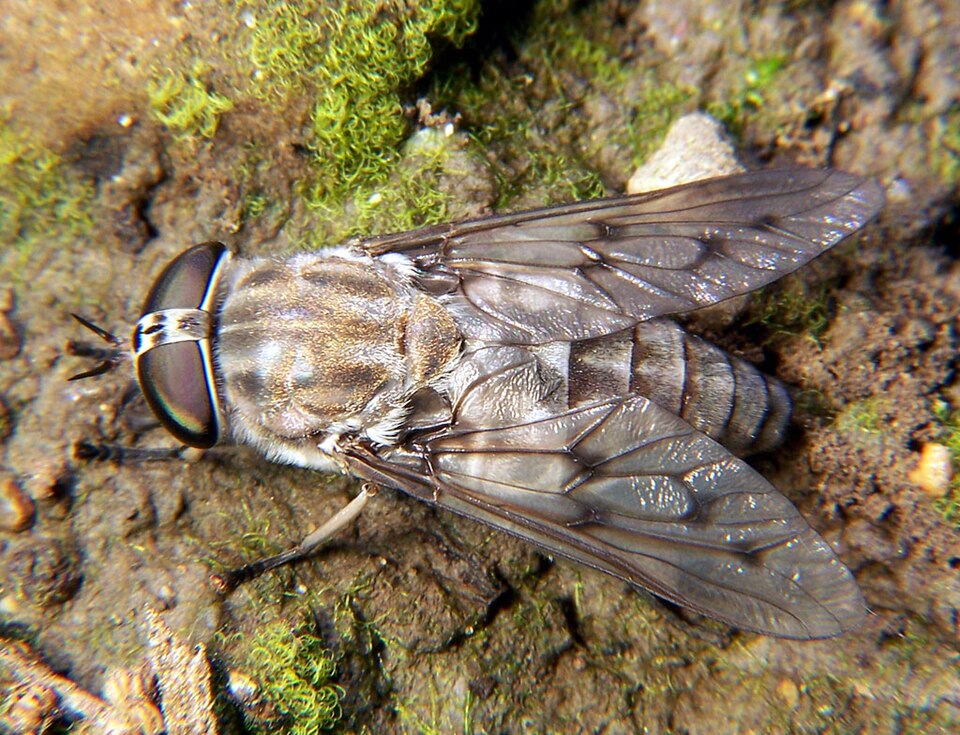
Horse Flies
- Size: 10–25 mm
- Appearance: Large, dark colored with green or black eyes
- Common Locations: Pastures, ponds, and wooded areas
- Evidence: Observe the fly itself and where it is active. A skin mark cannot identify it.
- How to Protect Yourself: Use physical barriers like netting, avoid scented products, and wear protective clothing.
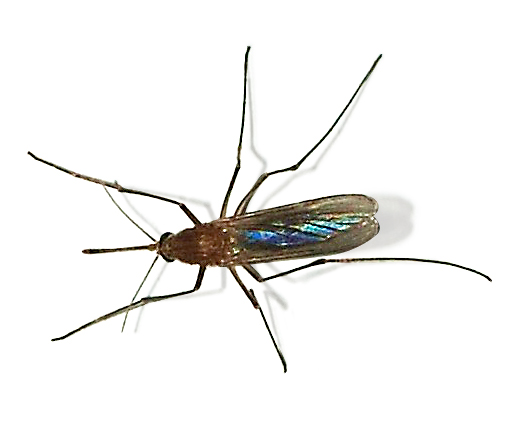
Culex Mosquito
- Size: ~¼ inch
- Appearance: Brown or gray with long legs and narrow wings
- Common Locations: Still water sources like birdbaths, gutters, ponds
- Evidence: Look for adult mosquitoes and larvae in standing water; bites do not confirm the genus.
- How to Protect Yourself: Eliminate standing water and use window screens or mosquito repellents with DEET.
![[1]](http://images.nbii.gov/mammals/nbii_t00362.jpg)
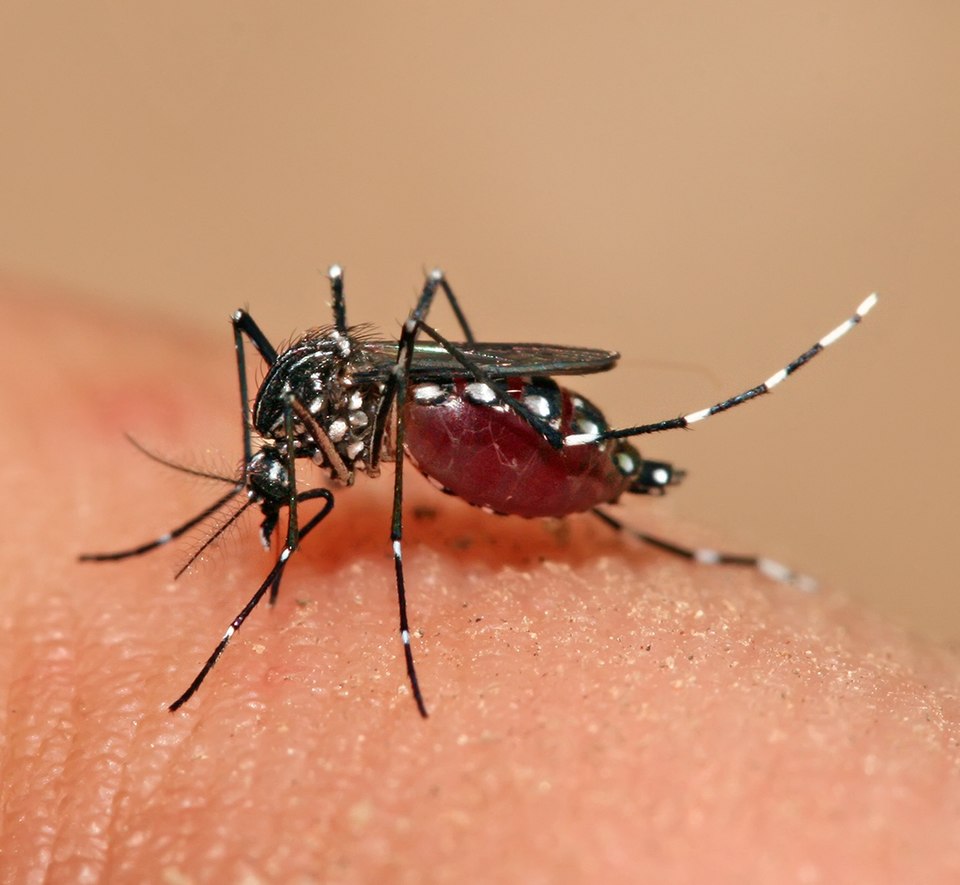
Aedes (Asian Tiger Mosquito)
- Size: ~¼ inch
- Appearance: Black with white-striped legs and a white stripe on the back
- Common Locations: Containers with water, tires, flowerpots, gutters
- Evidence: Compare the adult mosquito markings; bite timing or itching does not confirm its species.
- How to Protect Yourself: Dump water from containers weekly and use outdoor fans to deter mosquito activity.
Stop Biting Pests in Their Tracks
Call or text (573) 368-3333 to schedule a customized pest inspection and treatment plan for blood-feeding insects in and around your home.
Protect Your Family and Pets
Identify the Pest and Reduce Exposure
Health risks vary by pest and location. A pest inspection cannot diagnose an illness. Consult a healthcare professional about symptoms after a bite, and ask your veterinarian about concerns involving pets.
- Compare the actual insect or tick, not just the appearance of a skin mark.
- Record where and when activity was noticed.
- Use the CDC tick prevention guide for outdoor precautions.
- Read the bed bug identification guide for physical signs indoors.
- See the Missouri Department of Conservation chigger guide for more about these mites.
Preventive Steps:
- Maintain lawns and reduce brush around frequently used areas.
- Ask your veterinarian which flea and tick prevention suits your pet.
- Empty water-holding containers regularly.
- Vacuum carpets and clean pet bedding.
- Use EPA-registered repellents according to the label and check for ticks after outdoor activity.
- Discuss persistent pest activity and service options with an inspector.

FAQs About Blood Feeders
Can a bite identify the pest?
No. Similar skin reactions can have different causes. Look for physical evidence and obtain identification help.
Where can I learn about bed bugs?
Our bed bug guide explains signs around beds and nearby hiding places.
What should I do about health concerns?
Contact a healthcare professional about symptoms after a bite. A pest control visit addresses the property, not medical diagnosis.
Are all services included in a package?
Service selections, preparation and follow-up depend on the pests and your property. We will explain the scope in your estimate.
Discuss Your Pest Concerns
Tell us what you have seen and where the activity occurs. We will discuss identification, the recommended service and any preparation or follow-up. Call (573) 368-3333 or use the contact options below.
Judyann Krenning
Very professional and polite. Definitely knew his business. Our problem was taken care of easily.
Dorothy Hand
Termite inspection, Termite extermination, Cockroach extermination, General wildlife removal
Jacob did a nice job of taking care of the squirrel nest. No chemicals were needed. Personable young man who was clear about what was needed and helped to remedie the problem.
Maggie Edmonds
I give Plank Pest Control 5 stars for service, reliability, and courtesy. I recommend highly. I appreciate being able to depend on them to answer questions and always being available to help in an emergency (bee infestation....I am dangerously allergic to bee stings).
Brian Molloy
I’ve been using Plank Pest Control for a couple of years now. My experience with them has been not only positive and professional but pleasant as well. I’ve known the Plank family since childhood and seeing the second generation of them do what they do best makes me very grateful for my acquaintance with the company. Not only do they get rid of all the creepy crawlers they make sure to answer any and all questions I might have regarding the job they’ve done.
T Roberds
Professional service at an affordable price. Highly recommend!