
Plank Termite & Pest Control
Pest ID: Stinging Insects
Identify Activity Around Your Property
Stinging Insect Identification in Central Missouri
Bees and wasps differ in their nesting habits and defensive behavior. Some are important pollinators or predators, and a nest away from people may be left undisturbed. If activity is close to a doorway, walkway or occupied area, discuss identification and service options with a professional. Explore our wasp and stinging pest service or the Extension guide to wasps and bees. This page also includes the striped bark scorpion, an arachnid rather than an insect.
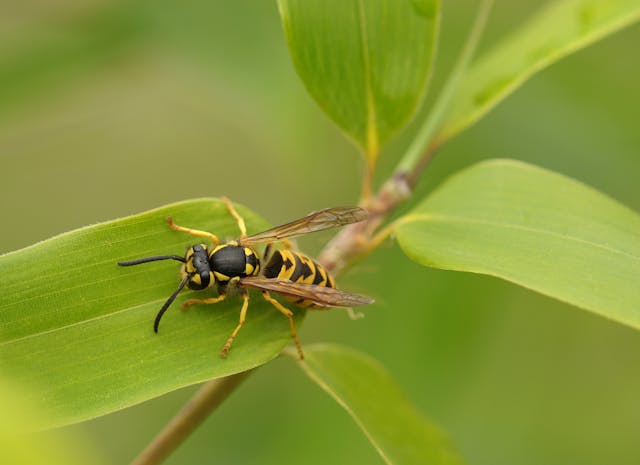
Stinging Insects Identification
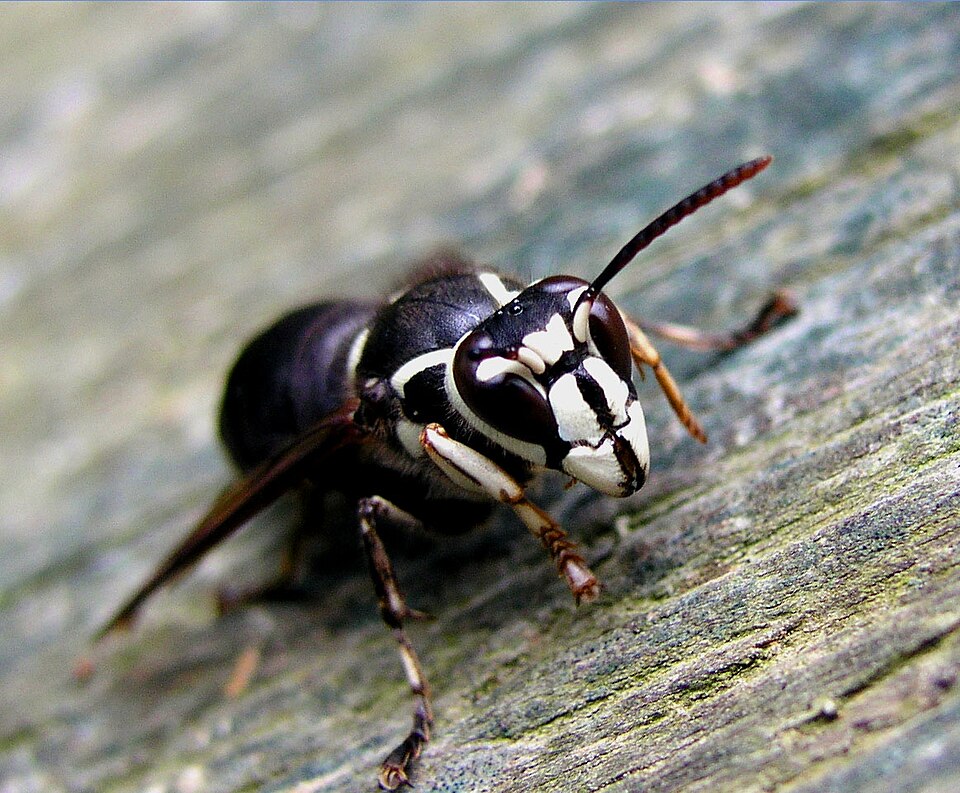
Bald-Faced Hornet
- Size: ½ to ¾ inch
- Appearance: Black with white markings on the face and thorax
- Where Found: Large paper nests high in trees, under eaves, or attached to buildings
- What to Look For: Oval gray nests the size of a football; hornets flying in and out
- Behavior: Extremely aggressive if disturbed
- Protection Tip: Avoid yardwork near visible nests and call for professional removal
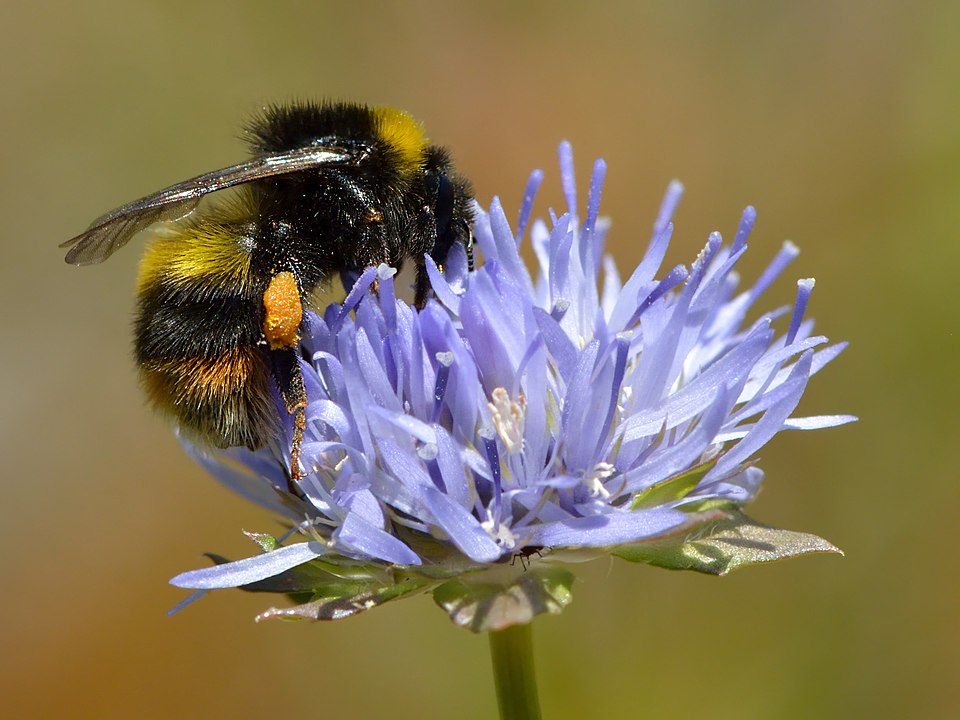
Bumble Bee
- Size: ¾ to 1 inch
- Appearance: Fuzzy body with black and yellow coloration
- Where Found: Ground nests, under decks, or in abandoned rodent burrows
- What to Look For: Low-flying bees near grass or sheds; gentle unless provoked
- Behavior: Important pollinators but will sting if the nest is threatened
- Protection Tip: Leave undisturbed when possible; relocate nests professionally
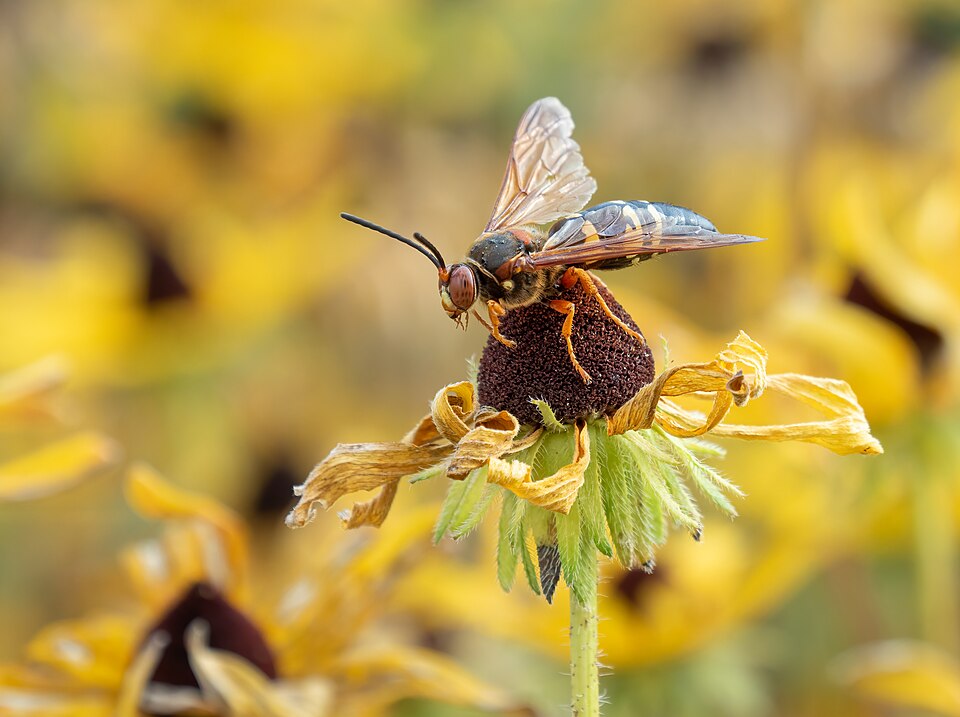
Cicada Killer
- Size: 1½ inches
- Appearance: Large wasp with yellow and black body and reddish wings
- Where Found: Burrow into dry, sandy soil—often along sidewalks or driveways
- What to Look For: Mounds of dirt with holes; giant wasps circling low to the ground
- Behavior: Solitary and rarely stings unless handled
- Protection Tip: Keep soil moist or mulched to discourage nesting
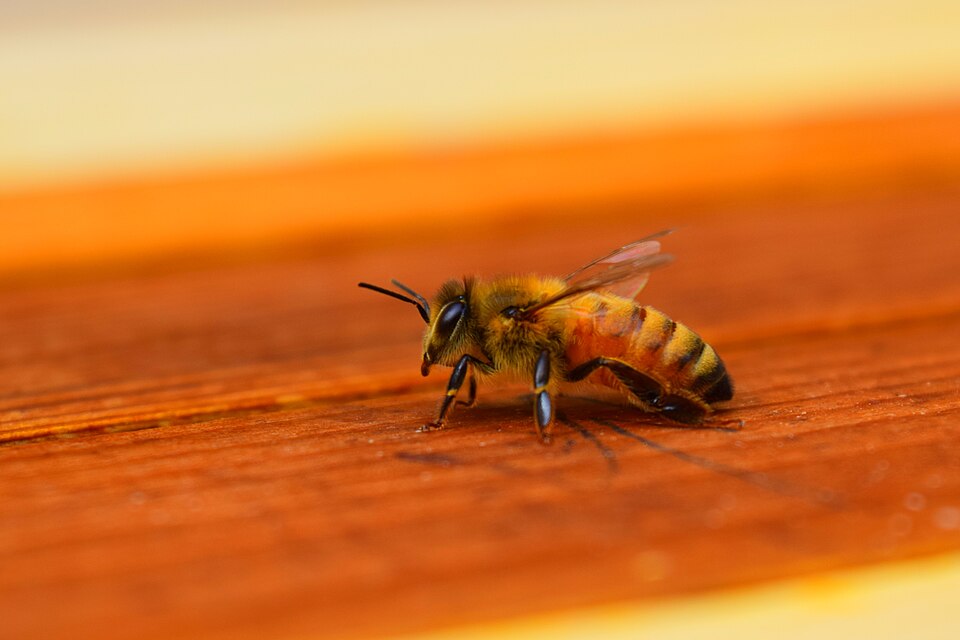
Honey Bee
- Size: ½ inch
- Appearance: Golden-brown with black bands and fuzzy body
- Where Found: Hollow trees, wall voids, attics, and bee boxes
- What to Look For: Steady flow of bees to and from a hidden spot; honeycomb
- Behavior: Essential pollinators, sting only in defense
- Protection Tip: Contact a bee relocation expert—do not spray or seal in colony
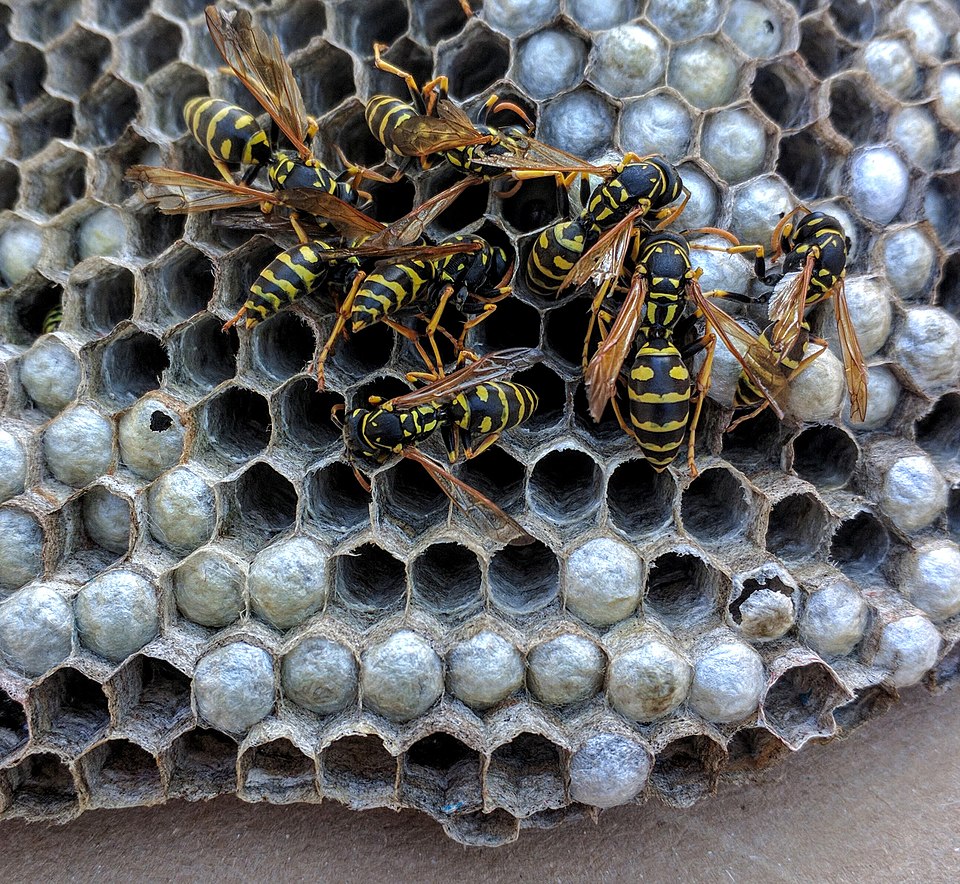
Paper Wasp
- Size: ⅝ to ¾ inch
- Appearance: Long slender body, reddish-brown to black with yellow markings
- Where Found: Under eaves, patio furniture, swing sets
- What to Look For: Small open paper nests with hexagonal cells
- Behavior: Can sting repeatedly; highly territorial
- Protection Tip: Observe eaves from a distance and discuss active nests near people with a professional
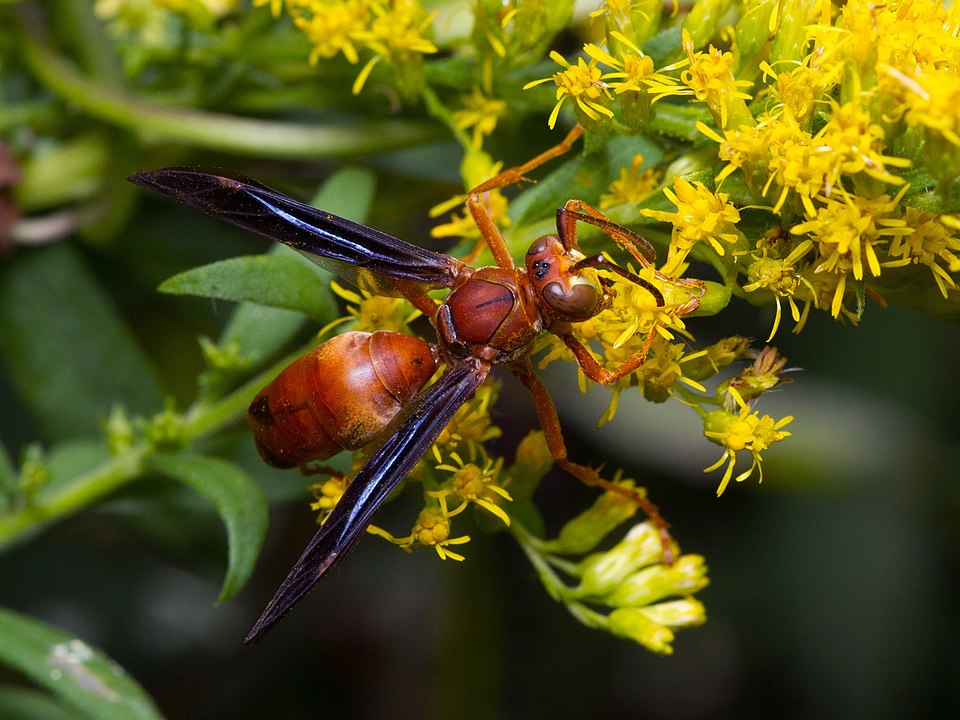
Red Paper Wasp
- Size: Up to 1 inch
- Appearance: Rusty red body, narrow waist, and long legs
- Where Found: Similar to paper wasps—under eaves, shutters, and outdoor structures
- What to Look For: Paper nests in overhangs or mailboxes
- Behavior: Aggressive defenders of nests
- Protection Tip: Avoid swatting; discuss removal options with a professional
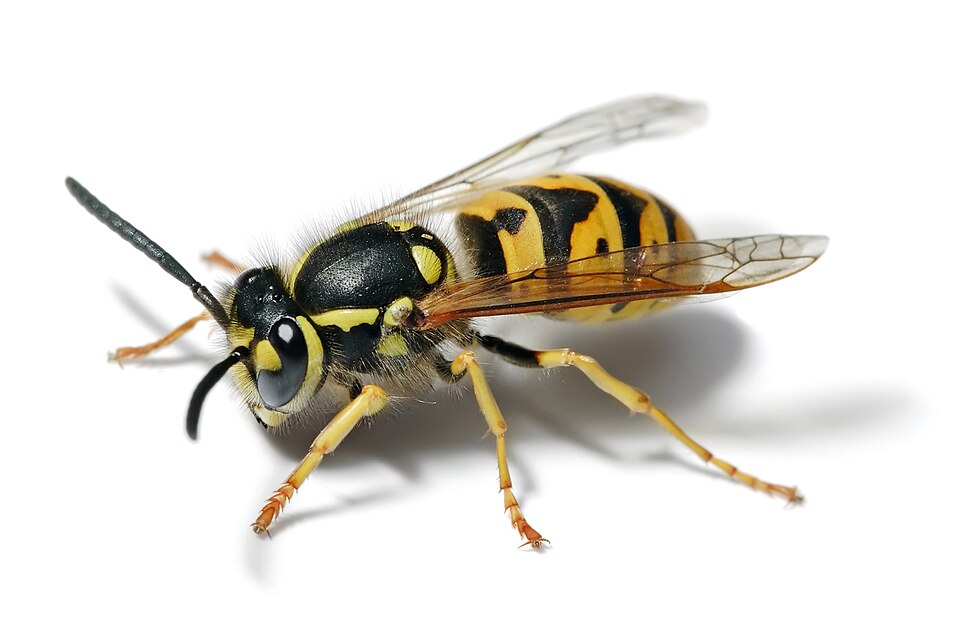
Yellow Jacket
- Size: ½ inch
- Appearance: Bright yellow and black with smooth body
- Where Found: Underground, in walls, or in rodent burrows
- What to Look For: Rapid darting flight, especially near ground-level nests
- Behavior: Highly aggressive and sting repeatedly
- Protection Tip: Seal food and trash outside, and avoid mowing over nests
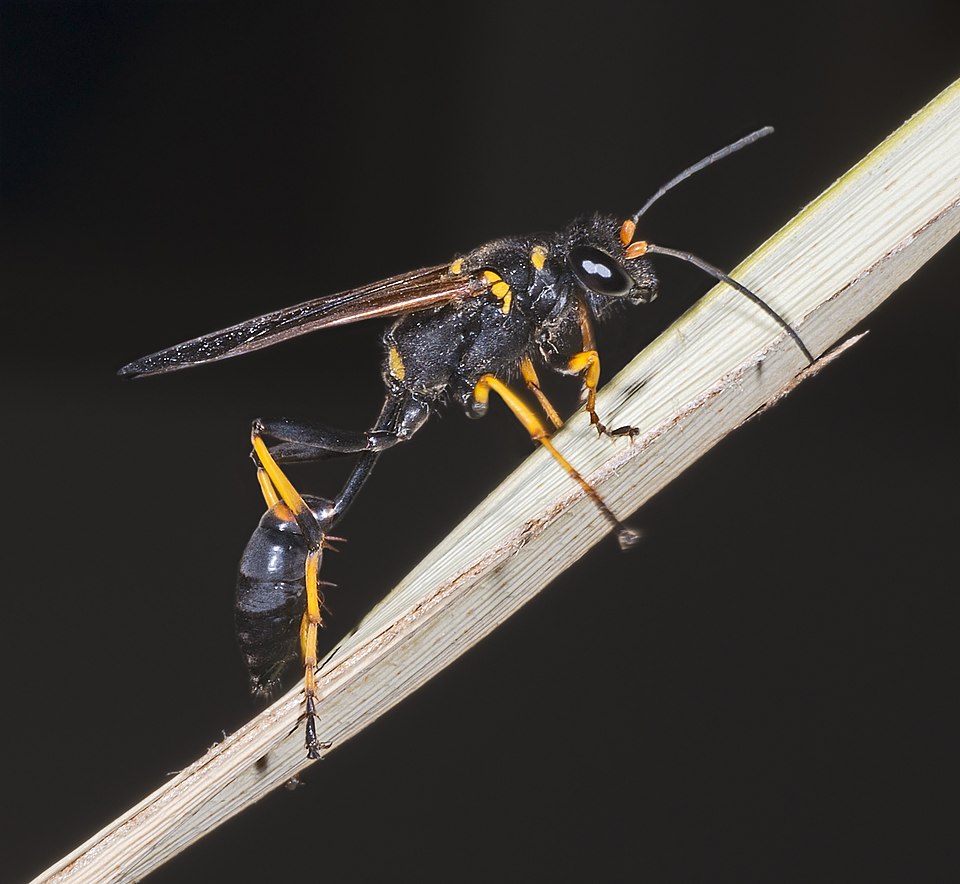
Mud Dauber
- Size: ½ to 1 inch
- Appearance: Long thin waist with black or metallic blue coloring
- Where Found: Mud tube nests on walls, eaves, and under bridges
- What to Look For: Rows of dry mud tubes with wasp activity
- Behavior: Solitary and rarely stings
- Protection Tip: Knock down inactive tubes and seal entry points
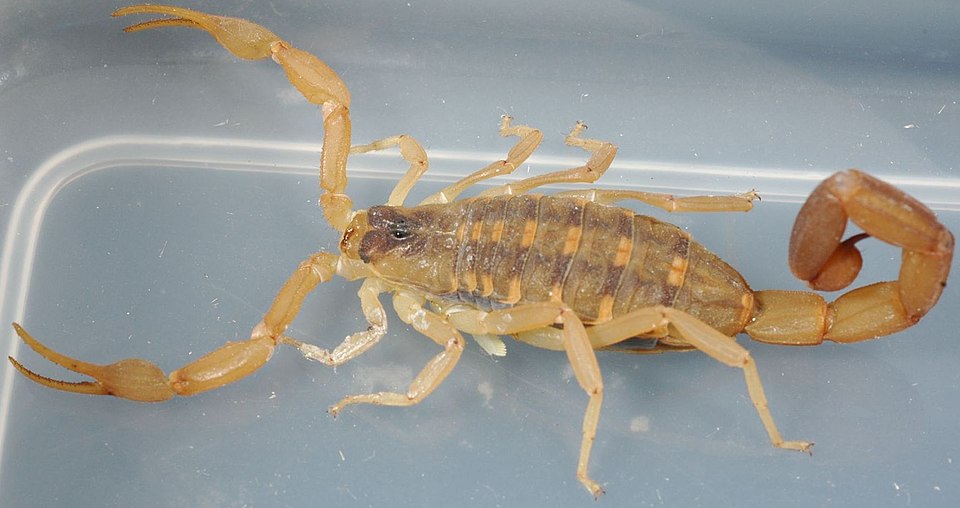
Striped Bark Scorpion
- Appearance: Pale yellowish brown, often with two dark lengthwise stripes, pincers and a curved tail ending in a stinger. Average length is about 1 to 1½ inches.
- Habitat: Dry, rocky areas, sometimes buildings or shelter beneath wood and debris. Do not handle one to identify it.
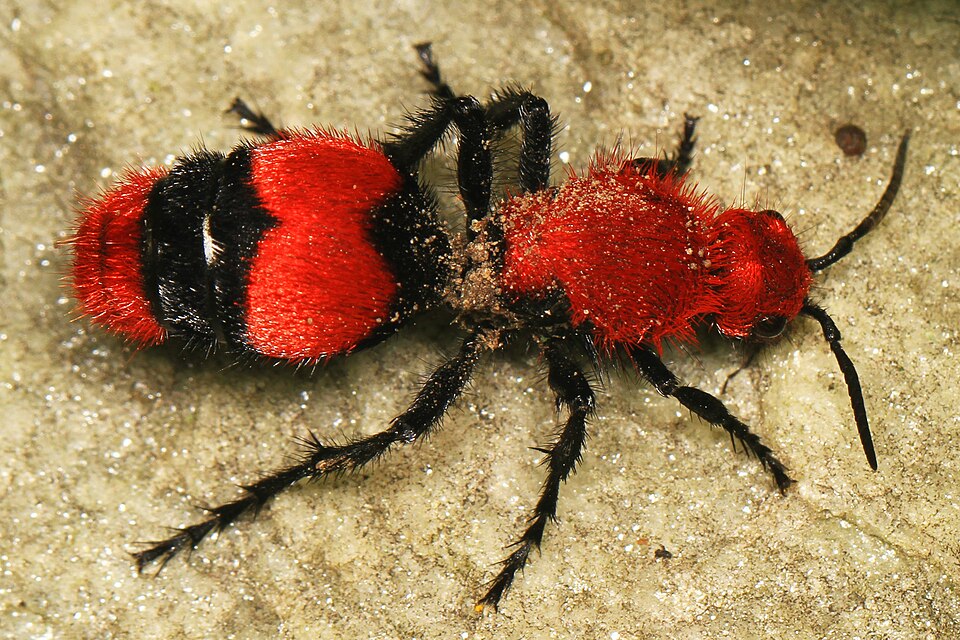
Red Velvet Ant (Cow Killer Wasp)
- Size: Up to ¾ inch
- Appearance: Fuzzy red and black body with no wings (females); looks like a large, hairy ant
- Where Found: Sandy soils, gardens, near driveways, and in open fields
- What to Look For: Solitary red “ants” quickly crawling across the ground—usually during hot summer days
- Behavior: Females deliver one of the most painful stings in the insect world but will not sting unless provoked
- Protection Tip: Avoid handling or stepping barefoot in areas where they’re spotted; educate kids not to pick them up
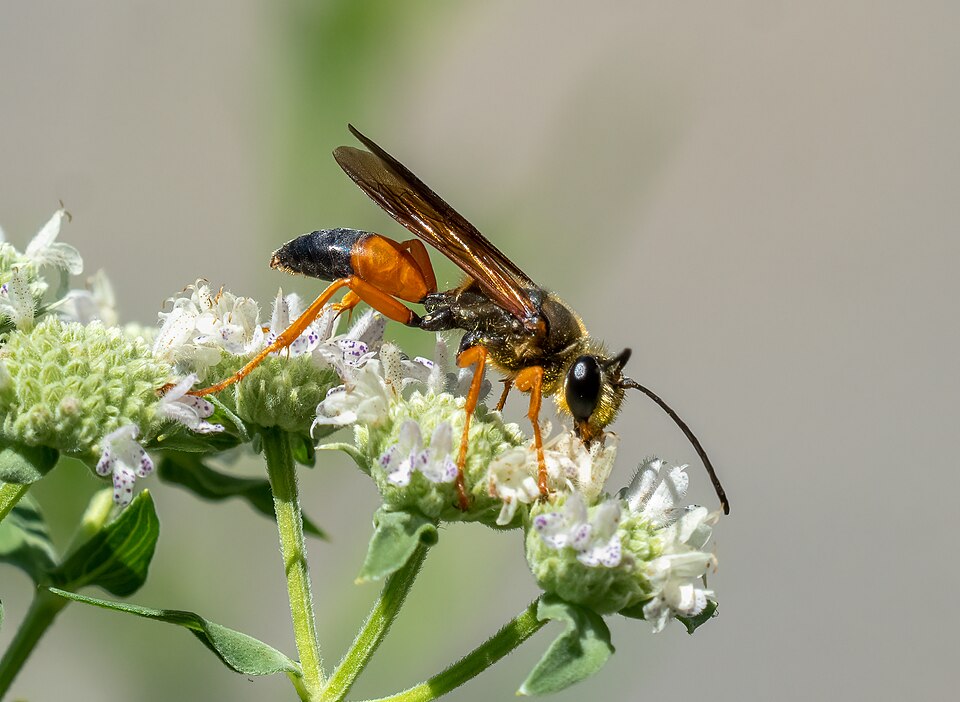
Great Golden Digger Wasp
- Size: ¾ to 1 inch
- Appearance: Black and orange body with a fuzzy golden head
- Where Found: Loose soil, gardens, and along sidewalks or patios
- What to Look For: Small mounds of excavated dirt near holes, typically with a single wasp hovering above
- Behavior: Solitary and non-aggressive, even when nesting
- Protection Tip: No treatment is usually necessary unless nests are in high-traffic areas—educate children not to disturb them
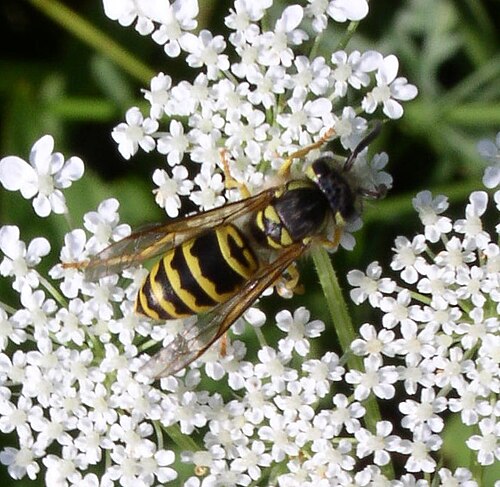
Eastern Yellow Jacket
- Size: About ½ inch
- Appearance: Bright yellow and black, shorter and stockier than other wasps
- Where Found: Nests underground, in hollow logs, or wall voids
- What to Look For: Sudden swarms around the ground or near shrubs, especially in late summer
- Behavior: Defends its nest and can sting repeatedly
- Protection Tip: Keep distance from ground nests and always call a professional for removal—these wasps sting in large numbers
Don’t Risk a Sting—Call the Pros
Call or text (573) 368-3333 to discuss insect activity, nest location and inspection options for your home or business.
Preventing Stinging Insects in Missouri
What You Can Do to Stay Safe Outdoors
While it’s impossible to eliminate all stinging insects, proactive prevention can reduce your chances of a painful encounter.
- Keep food and drinks covered during outdoor gatherings
- Seal cracks in siding, soffits, and window frames
- Secure garbage cans with tight-fitting lids
- Eliminate standing water to discourage breeding insects
- Trim back trees and shrubs where nests may form
- Regularly inspect your property for new nests
- Avoid strong perfumes or floral patterns outdoors
Service recommendations depend on the insect, nest location and activity around the property. Treatment is not necessary for every nest.

FAQs About Stinging Insects
Are all wasps aggressive?
No, but many—like yellow jackets and paper wasps—are territorial and will sting if they feel threatened.
Do bees die after stinging?
Honey bees do. Their barbed stingers detach, which leads to their death. Wasps and hornets can sting multiple times.
When are stinging insects most active?
Most are most active during warm months, especially late summer and early fall when nests are larger and resources are scarce.
Can stinging insects nest inside walls?
Yes. Yellow jackets and honey bees sometimes build nests inside wall voids or attics.
How do I safely remove a nest?
Never attempt to remove an active nest yourself. Always call a licensed pest professional with proper equipment and protection.
Discuss the Right Approach for Your Property
Plank Termite & Pest Control has served Central Missouri since 2000. We discuss identification, access, treatment or removal options and follow-up before service. Keep your distance from an active nest while arranging help.
Steven Doyon
Excellent Service.
Katie Steelman
The staff is very responsive to messages. Even though we had to be rescheduled a couple times due to rain, they didn’t just drop us. They took care of us when the weather cooperated. Very good to work with! Price is very reasonable too.
Beth Reddington
He did a great job and he answered all of my questions thank you.
Maggie Edmonds
I give Plank Pest Control 5 stars for service, reliability, and courtesy. I recommend highly. I appreciate being able to depend on them to answer questions and always being available to help in an emergency (bee infestation....I am dangerously allergic to bee stings).
Brian Molloy
I’ve been using Plank Pest Control for a couple of years now. My experience with them has been not only positive and professional but pleasant as well. I’ve known the Plank family since childhood and seeing the second generation of them do what they do best makes me very grateful for my acquaintance with the company. Not only do they get rid of all the creepy crawlers they make sure to answer any and all questions I might have regarding the job they’ve done.