
Plank Termite & Pest Control
Pest ID: Rodents
Hearing Scratching Sounds from Inside Your Walls?
Rodent Identification in Central Missouri
Mice and rats may leave droppings, gnaw marks or nesting material in a building. Identifying the animal and its access points helps guide control and prevention. Explore our rodent pest control service for inspection, monitoring and service options in Central Missouri.
Do not sweep or vacuum rodent droppings or nesting material. Follow the CDC rodent cleanup guidance before disturbing contaminated areas.
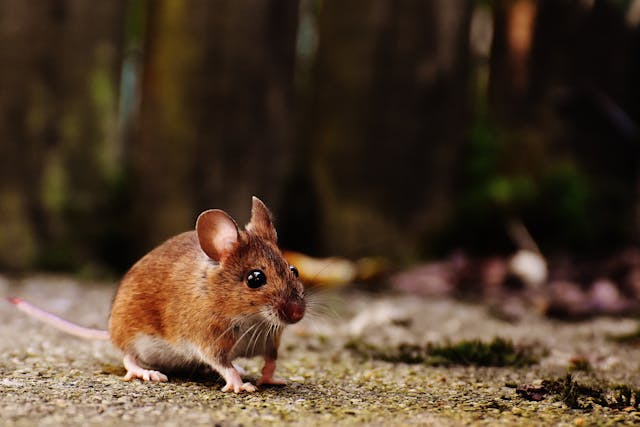
Rodent Identification
The examples below introduce rodents and signs that may help guide an inspection. Similar species can be difficult to distinguish, and appearance alone does not establish a health risk.
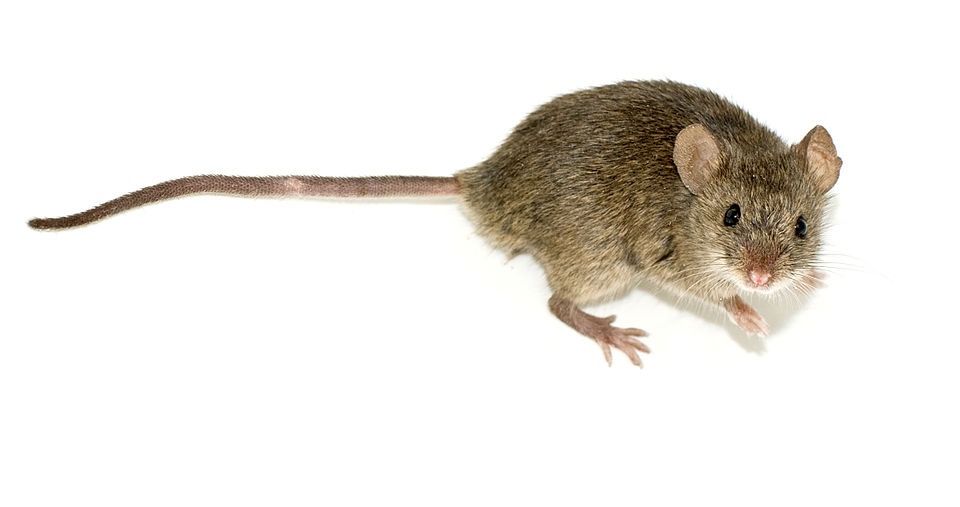
House Mouse
- Size: 2.5–4 inches long (excluding tail)
- Color: Light brown or gray with a lighter belly
- Where They’re Found: Inside kitchens, pantries, walls, attics, and basements
- Evidence: Droppings (1/8 inch, rod-shaped), gnaw marks, scratching sounds, nests in insulation
- Behavior: Curious and active; enter through small cracks and reproduce quickly
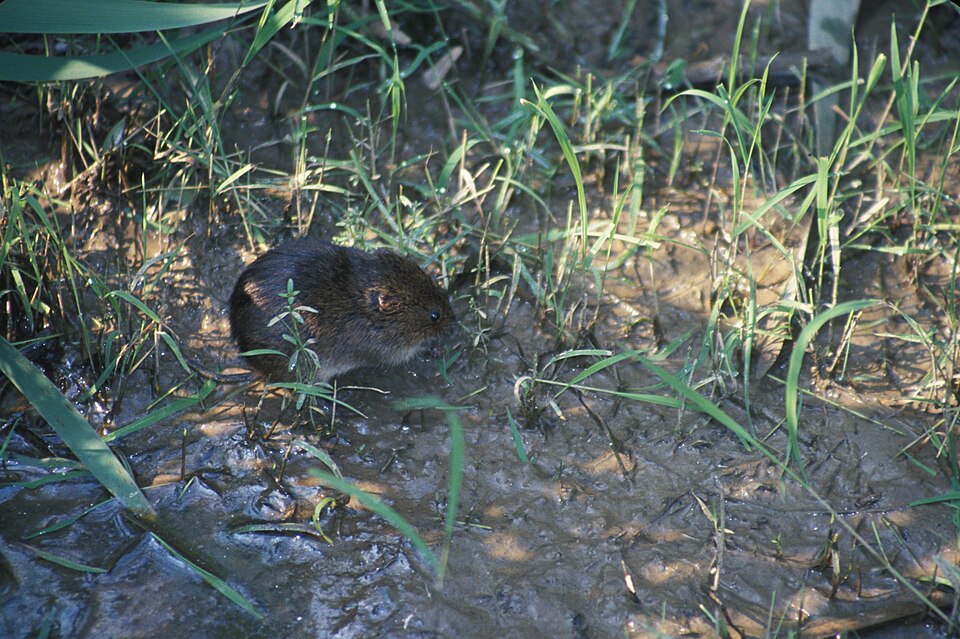
![[1]](http://images.nbii.gov/mammals/nbii_t00362.jpg)
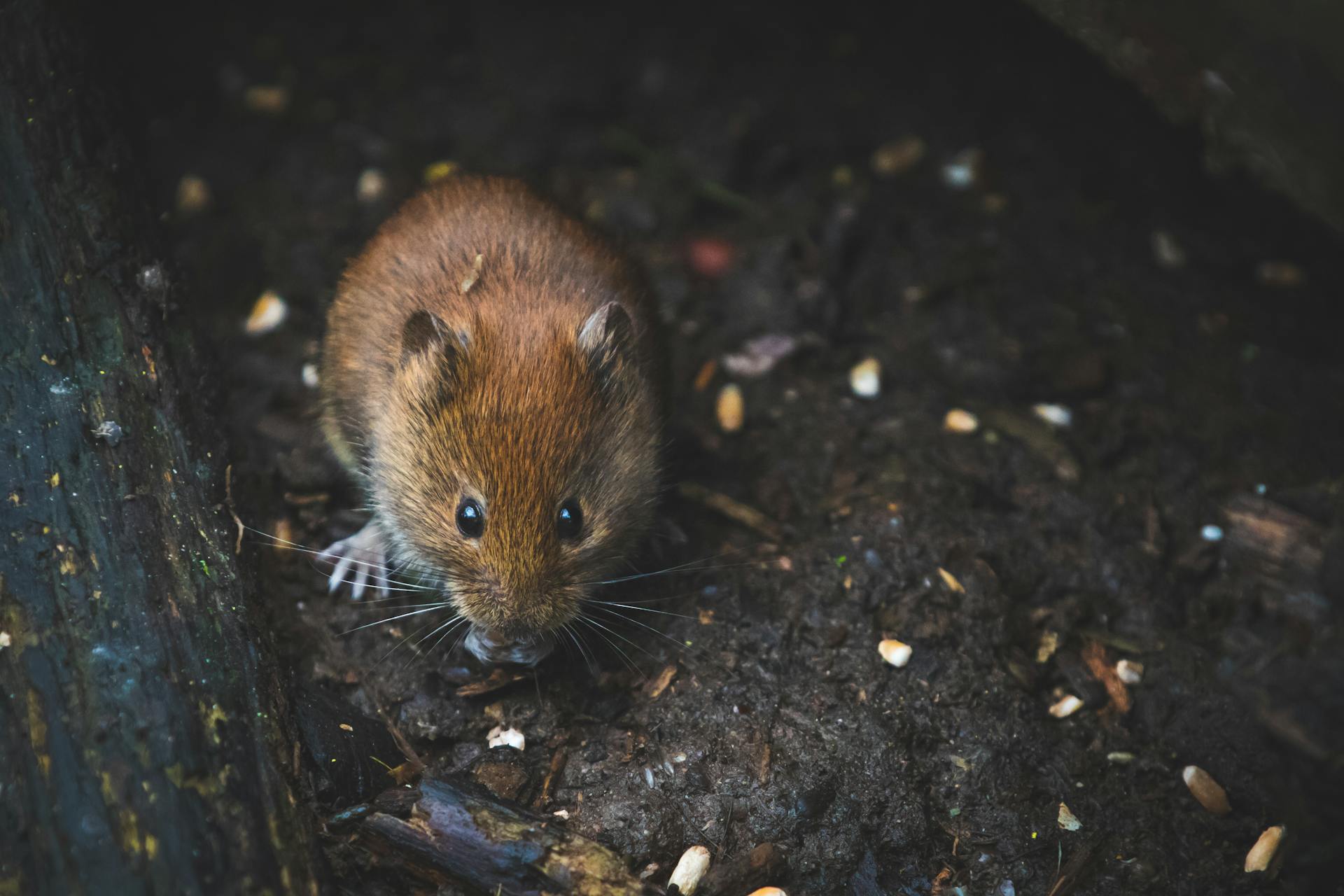
Meadow Mice (Voles)
- Size: 4–7 inches long
- Color: Brown or gray, stockier than a typical mouse
- Where They’re Found: Outdoors in grassy areas, under mulch or shrubbery; can enter garages and crawlspaces
- Evidence: Runways in grass, chewed vegetation, small droppings
- Behavior: Primarily outdoor pests that may damage landscaping
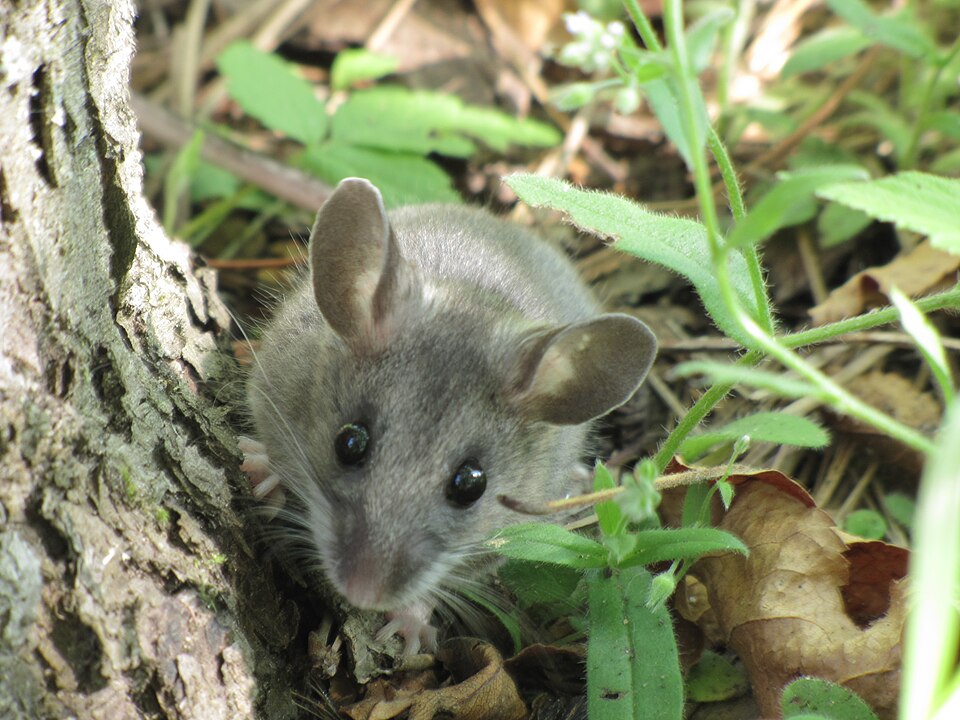
Deer Mouse
- Size: 3–4 inches long (tail adds another 2–5 inches)
- Color: Brown with white underbelly and feet
- Where They’re Found: Rural structures, barns, sheds, cabins
- Evidence: Nesting materials in corners, droppings, potential hantavirus risk
- Behavior: Nocturnal, rarely seen during the day
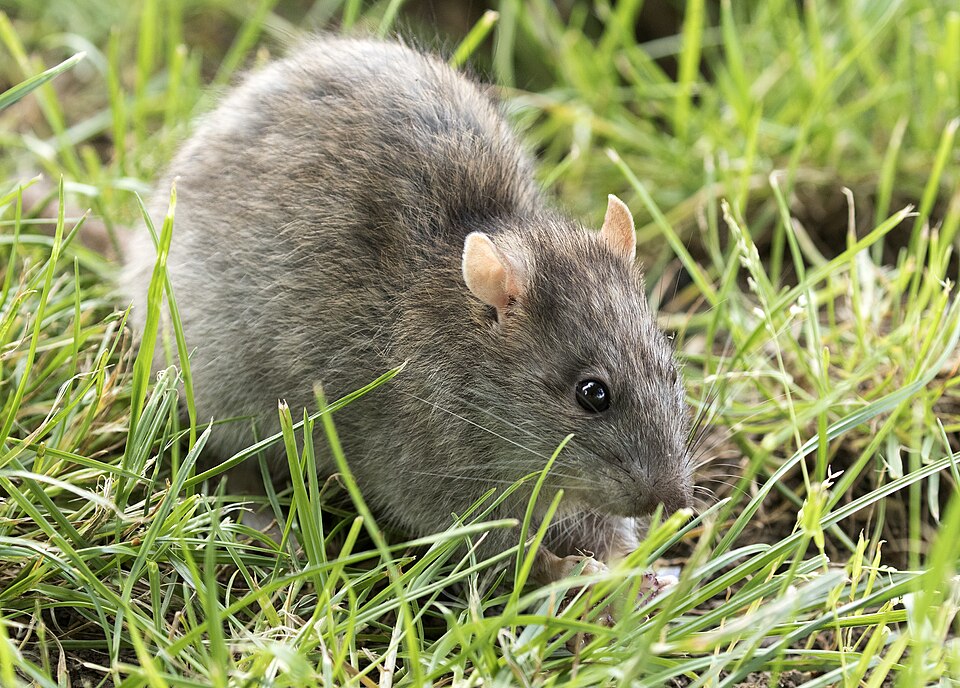
Norway Rat
- Size: 7–10 inches long (plus 6–8 inch tail)
- Color: Brown or gray with a blunt nose and thick body
- Where They’re Found: Basements, crawlspaces, near garbage or food storage areas
- Evidence: Grease marks on walls, large droppings, gnawed items
- Behavior: Burrowers and aggressive chewers; may carry disease
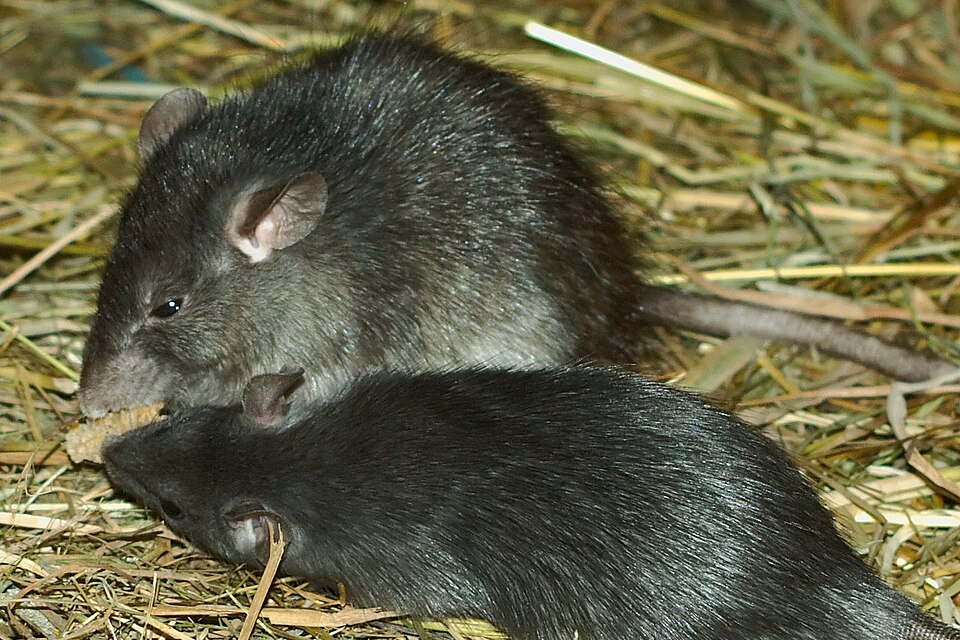
Roof Rat
- Size: 6–8 inches long (tail often longer than body)
- Color: Black or dark brown with a pointed nose and slender build
- Where They’re Found: Attics, ceilings, upper cabinets, wall voids
- Evidence: Droppings, nesting materials, sounds in upper areas of structures
- Behavior: Excellent climbers; more common in multi-story or urban buildings
Think You’ve Got a Rodent Problem?
Call or text (573) 368-3333 to discuss rodent activity, inspection needs and service options for your property.
What to Watch For
Signs of a Rodent Infestation
Record the location and timing of possible rodent activity. An inspection can help distinguish current activity from older evidence or other causes.
- Droppings in drawers, cabinets, pantries, or under sinks
- Gnaw marks on wires, food packaging, or furniture
- Scratching or movement sounds behind walls or ceilings
- Grease trails or smudges along walls and baseboards
- Nests made of shredded paper, insulation, or fabric
- Unusual pet behavior or strong ammonia-like odors
Share photographs of visible evidence without handling rodents or disturbing contaminated material.
Keeping Rodents Out
How to Protect Your Property from Mice and Rats in Central Missouri
Mice and rats in this region are drawn to food, warmth, and nesting sites—especially as weather cools. Homes, restaurants, warehouses, and farms all offer what they need.
- Keep all food (including pet food) in sealed containers
- Seal cracks in foundations, walls, and around pipes or vents
- Remove outdoor clutter like woodpiles, leaf piles, and trash
- Trim trees and shrubs away from the home to eliminate access routes
- Inspect attics, garages, and crawlspaces regularly
- Schedule seasonal rodent prevention with a licensed professional
Inspection, entry-point repairs and monitoring can help reduce rodent activity. Discuss which work and follow-up are included in the proposed service.
FAQs About Rodents
How are mice and rats identified?
Body size, tail proportions, head shape and evidence can help, but young rats and similar mouse species may be confused. An inspection supports identification.
Can rodents affect health?
Rodents and contaminated materials can present health risks. Use CDC cleanup precautions and discuss possible illness after an exposure with a healthcare provider.
How do they enter?
Small openings around doors, foundations, pipes or vents can provide access. Inspect and address gaps as part of the control plan.
Is this only a winter problem?
Activity may occur at any time of year when food and shelter are available.
What about traps or bait?
The appropriate method depends on the species, location and property. Follow product instructions and keep traps and bait inaccessible to children and pets. Discuss placement, monitoring and follow-up with a professional.
We Stand Behind Every Service
Plank Termite & Pest Control has served Central Missouri since 2000. We discuss inspection findings, selected control methods, access and follow-up before service. Rodent monitoring may stand alone or be combined with other agreed services.
Beth Reddington
He did a great job and he answered all of my questions thank you.
Chris Kallaos
Plank always does a great job for us. They show up when they say they will, and their treatments are effective.
Brian
Awesome service from a very respectable young man will do businesses with them from now on
Maggie Edmonds
I give Plank Pest Control 5 stars for service, reliability, and courtesy. I recommend highly. I appreciate being able to depend on them to answer questions and always being available to help in an emergency (bee infestation....I am dangerously allergic to bee stings).
Larry Lyle
My 2nd time doing business with this locally owned and highly recommended company. The trchs were extremely thorough in the indoor and outdoor assessment and did a great job with answering all questions. Prices are more than reasonable especially when compared to other “big name pest control” businesses. We are subscribed to future services now as well. A+