
Plank Termite & Pest Control
Pest ID: Paper and Fabric Pests
Damage You Can’t Always See
Paper & Fabric Pest Identification Services in Rolla and Central Missouri
Holes in fabric or damage to stored paper can have several causes. Look for insects, shed skins, cases or webbing and compare the examples below. This guide includes fabric pests and other household insects that may be confused with them; pantry moths and flour beetles belong with stored-food pests. Plank Termite & Pest Control can help assess activity in Rolla and Central Missouri and explain appropriate service options.
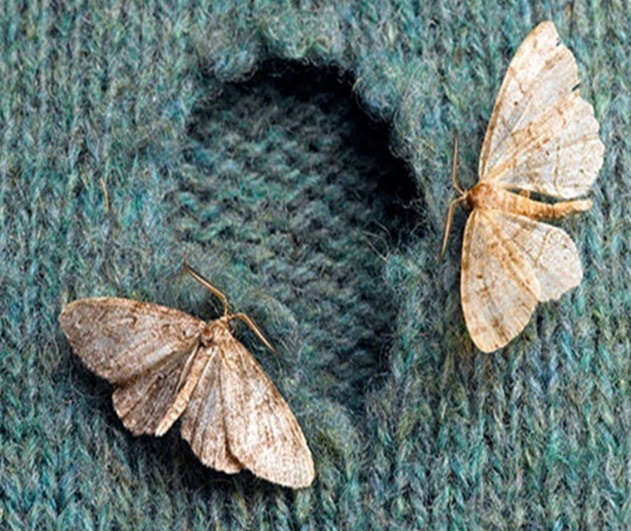
Paper/Fabric Pest Identification
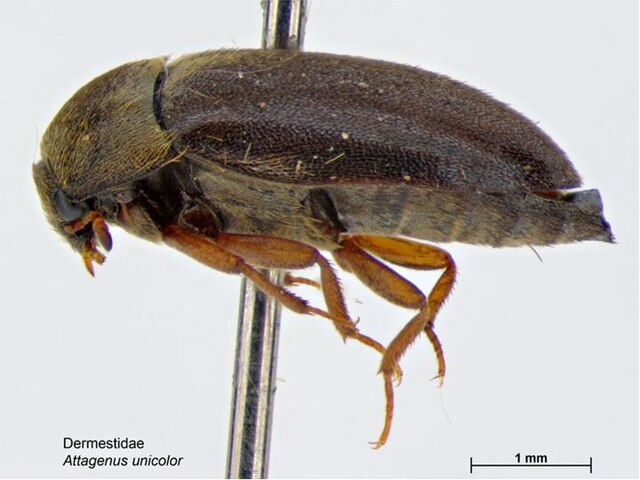

Black Carpet Beetle
- Size: 1/8 to 3/16 inch
- Appearance: Oval-shaped, black or very dark brown with short legs and antennae
- Where Found: Under carpets, in wool clothing, furniture stuffing, or baseboards
- Evidence: Irregular holes in fabric, shed skins, larvae in corners
- Behavior: Larvae feed on natural fibers; adults may be found near windows
- Inspection Tip: Look for larvae in hidden areas like under rugs or behind furniture
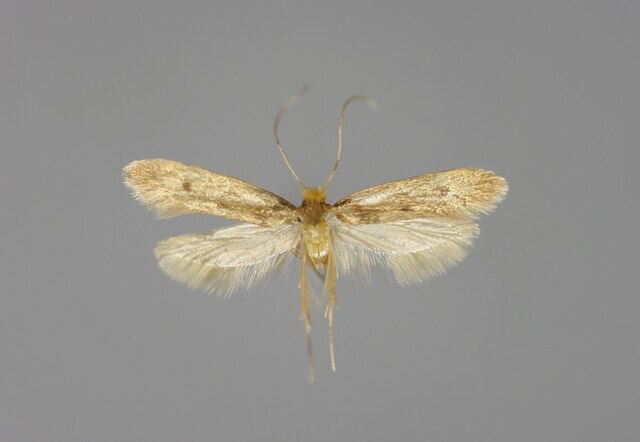

Case-Making Clothes Moth
- Size: ⅜ inch
- Appearance: Buff-colored body, fringed wings, larvae live in portable silk cases
- Where Found: Closets, drawers, and stored clothing made of wool, fur, or silk
- Evidence: Holes in garments, silk cases stuck to fabrics
- Behavior: Females lay eggs on natural fibers; larvae consume keratin-based materials
- Inspection Tip: Check garment folds and seams for larval cases or droppings
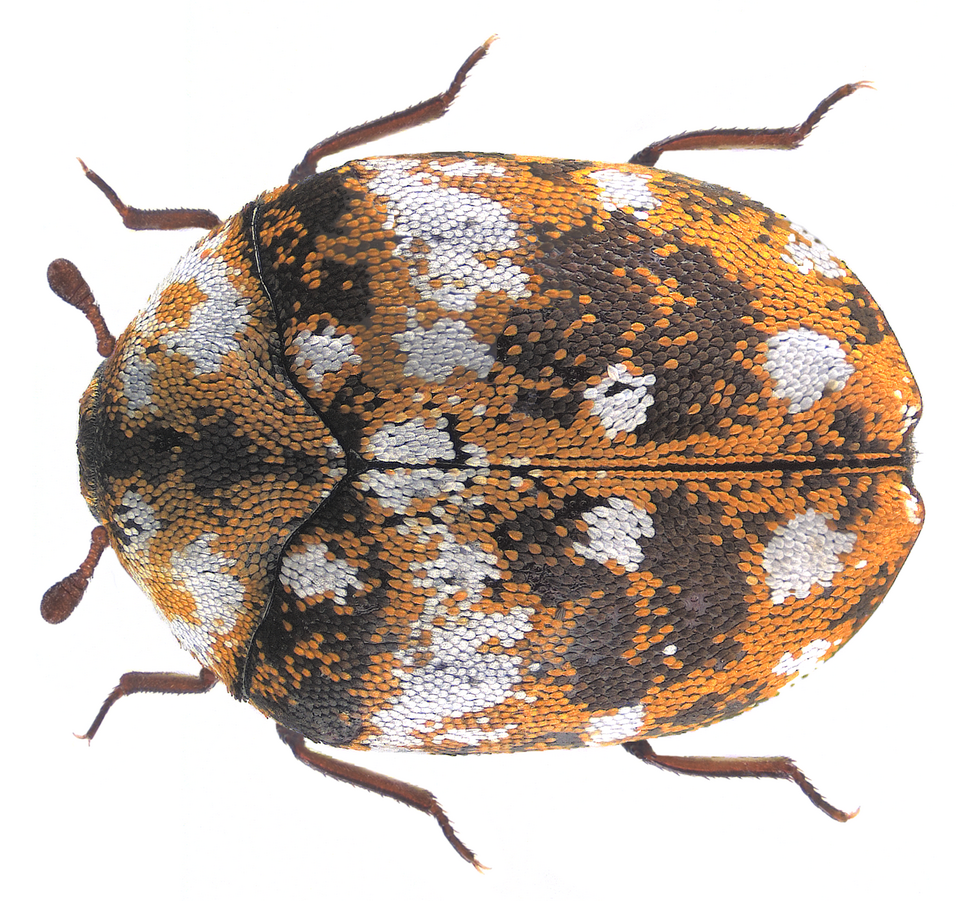
Furniture Carpet Beetle
- Size: 1/16 to 1/8 inch
- Appearance: Oval, with mottled pattern of white, yellow, and black scales
- Where Found: Upholstered furniture, drapes, stored clothing
- Evidence: Shed skins, tiny fecal pellets, or bald patches in fabric
- Behavior: Larvae feed on feathers, wool, and animal-based materials
- Inspection Tip: Use a flashlight to inspect under cushions or around seams
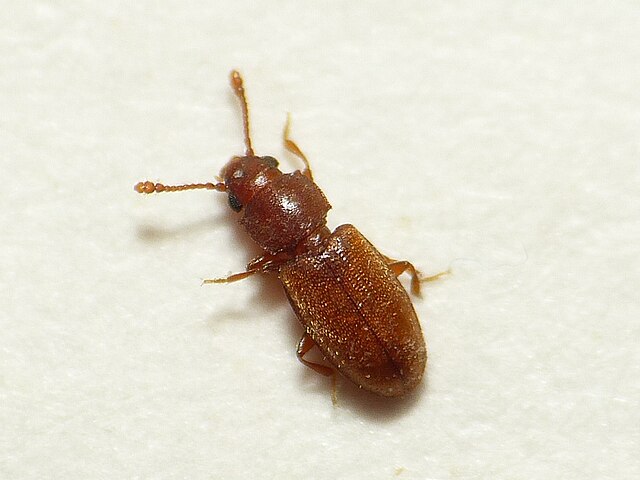

Foreign Grain Beetle
- Size: 1/16 inch
- Appearance: Small reddish-brown beetle with ridged thorax
- Where Found: Stored food products, book bindings, damp paper
- Evidence: Beetles crawling on books, grains, or wallpaper
- Behavior: Feed on moldy or deteriorating organic material
- Inspection Tip: Inspect damp cardboard, stacks of books, or flour bins
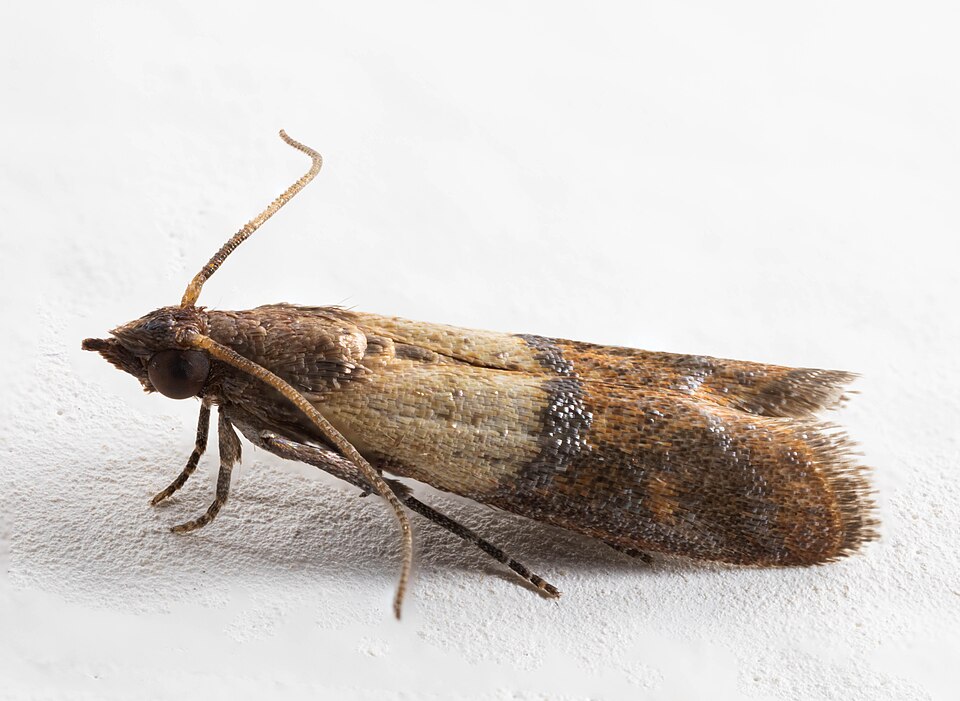
Indianmeal Moth
- Size: ½ inch
- Appearance: Reddish-brown wings with coppery tips
- Where Found: Pantry, dry goods, food storage
- Evidence: Webbing in food packages; larvae crawling in containers
- Behavior: Lay eggs in grains, cereal, nuts, and dried fruit
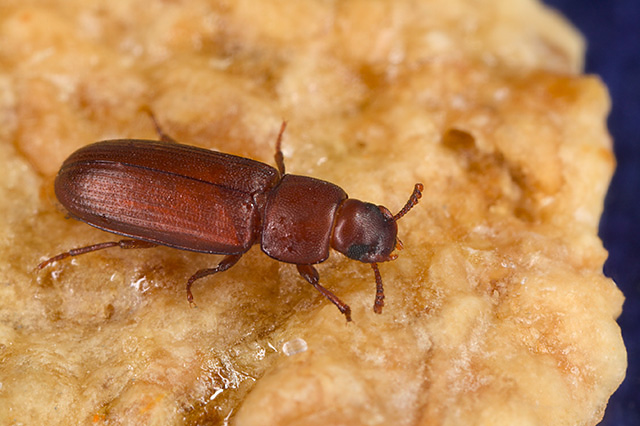
Red Flour Beetle
- Appearance: Small reddish-brown beetle, about ⅛ inch long.
- Where found: Stored dry foods such as flour and cereal products.
- Evidence: Beetles or larvae associated with a food package.
- Identification note: This is a pantry pest, not a cricket. Compare the stored product pest guide.
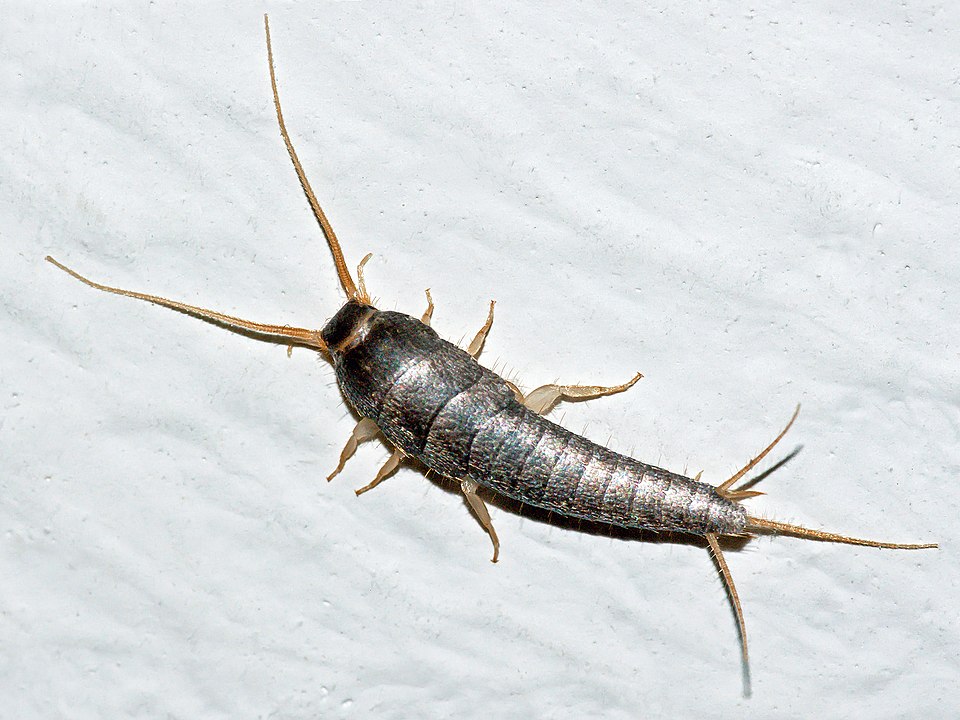
Silverfish
- Size: ½ to ¾ inch
- Appearance: Silvery-gray, teardrop-shaped, with antennae and three tail bristles
- Where Found: Bookshelves, bathrooms, basements
- Evidence: Paper damage, yellow stains, cast skins
- Behavior: Thrive in humidity and feed on paper, glue, and starch
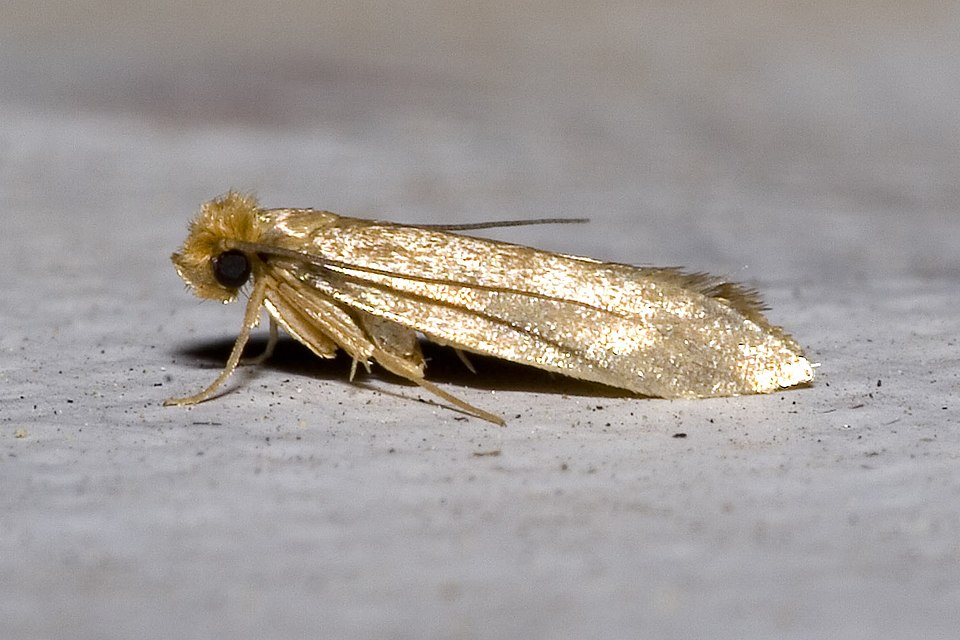
Webbing Clothes Moth
- Size: ½ inch wingspan
- Appearance: Pale yellow to tan, narrow wings fringed with hairs
- Where Found: Closets, wool storage bins, antique fabrics
- Evidence: Silken webbing in corners of drawers or clinging to clothes
- Behavior: Larvae cause damage while feeding; adults avoid light
- Inspection Tip: Look for small cocoons or live larvae in folds and seams
Fabric Pests Are Sneaky But We’re Not
Call (573) 368-3333 to discuss identification and service options for paper and fabric pests in Central Missouri.
What to Do About Paper & Fabric Pests
Stop the Damage Before It Starts
Early action is the key to protecting your belongings from fabric and paper pests:
- Clean and vacuum infested areas thoroughly
- Discard heavily infested or damaged items
- Store wool, fur, and cotton in sealed containers
- Lower humidity in closets and basements
- Inspect secondhand furniture and clothing before bringing it inside
- Schedule a pest inspection if signs return after cleaning
Persistent activity deserves closer inspection. Before treating or discarding valuable textiles, consider the material and its care instructions.
FAQs About Fabric-Damaging Pests
Do holes alone confirm pest damage?
No. Look for insects, larvae, shed skins or other evidence and have the cause assessed.
Are pantry moths the same as clothes moths?
No. Use the identification examples and our pantry pest guide to compare the insects and affected materials.
What should I do before service?
Note the affected items and locations. Follow fabric care instructions and ask about appropriate cleaning and storage.
Does every problem require treatment?
Recommendations depend on identification and the extent of activity. We will explain maintenance, treatment and follow-up options.
Your Belongings Deserve to Be Protected
We will explain the findings and proposed service before work begins. Call (573) 368-3333 or use the contact options below to discuss your concerns.
Brian
Awesome service from a very respectable young man will do businesses with them from now on
Laura Chilton
I called Plank Termite and Pest Control and an actual person answered the phone! We discussed the pest situation, came up with a solution, set up an appointment for Jacob, the technician, to come to our house. Jacob arrived exactly on time, took care of the situation, made recommendations for the future, provided a receipt and finished the job within about 30 minutes. I highly recommend Plank Termite and Pest Control for their superior professionalism and service.
T Roberds
Professional service at an affordable price. Highly recommend!
JP Maxwell
I can't recommend Plank Termite & Pest Control enough! They came to our house within 2 days of scheduling and the service was incredible. Great customer service with very thorough treatment using non-harmful chemicals to us or our pets. Plank always delivers and they're locally owned!
Carolyne Simpson
They are a small family owned local business and very pleasant always. They keep me on track by reminding me that it's time to spray every 6 months. They do a very thorough job for a reasonable price.