
Plank Termite & Pest Control
Pest ID: General Pests/Occasional Invaders
Creeping, Crawling, and Uninvited
Occasional Invader Identification in Central Missouri
Some outdoor pests occasionally enter buildings, while others in this guide are associated with stored food, fabric or damp indoor areas. Compare their appearance and where you find them before deciding on a response. Plank Termite & Pest Control serves Rolla and Central Missouri. We can discuss identification, property maintenance and service options suited to the activity.
General Pests / Occasional Invaders Identification
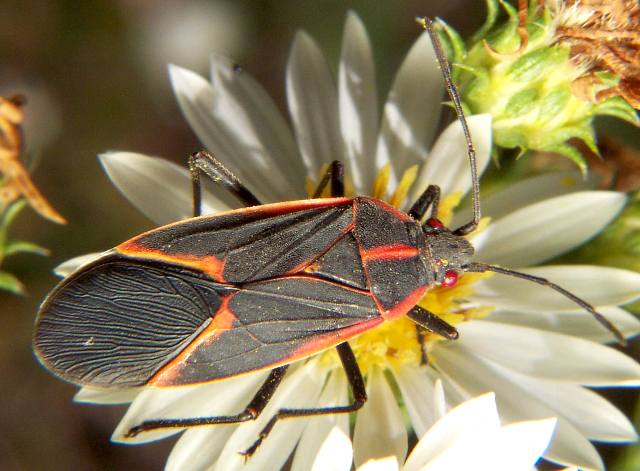
Boxelder Bug
- Size: ½ inch
- Appearance: Black with red-orange lines on thorax and wings
- Where Found: Sunny walls, siding, windowsills; often gather in large groups
- Evidence: Staining on curtains or walls from crushed bugs; large congregations on exteriors
- Behavior: Enter homes in fall seeking shelter; mostly harmless but annoying
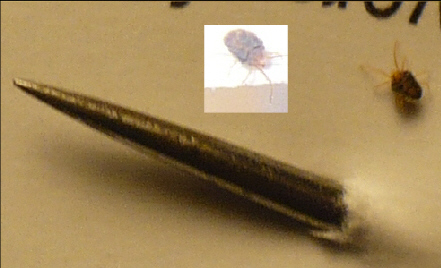
Clover Mites
- Size: 1/30 inch (very small)
- Appearance: Reddish or dark green; oval-shaped with front legs longer than the rest
- Where Found: Windowsills, basements, foundation cracks
- Evidence: Red smears when crushed; clusters near sunny sides of the home
- Behavior: Feed on clover and lawn plants; invade homes en masse in spring and fall
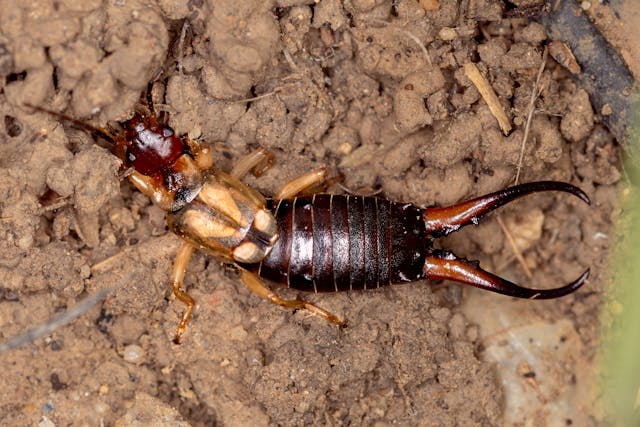
Earwigs
- Size: ½ to 1 inch
- Appearance: Dark brown with long pincers on rear
- Where Found: Basements, bathrooms, mulch, under flowerpots
- Evidence: Nighttime sightings; found under damp items or drains
- Behavior: Not dangerous; feed on decaying matter and other insects
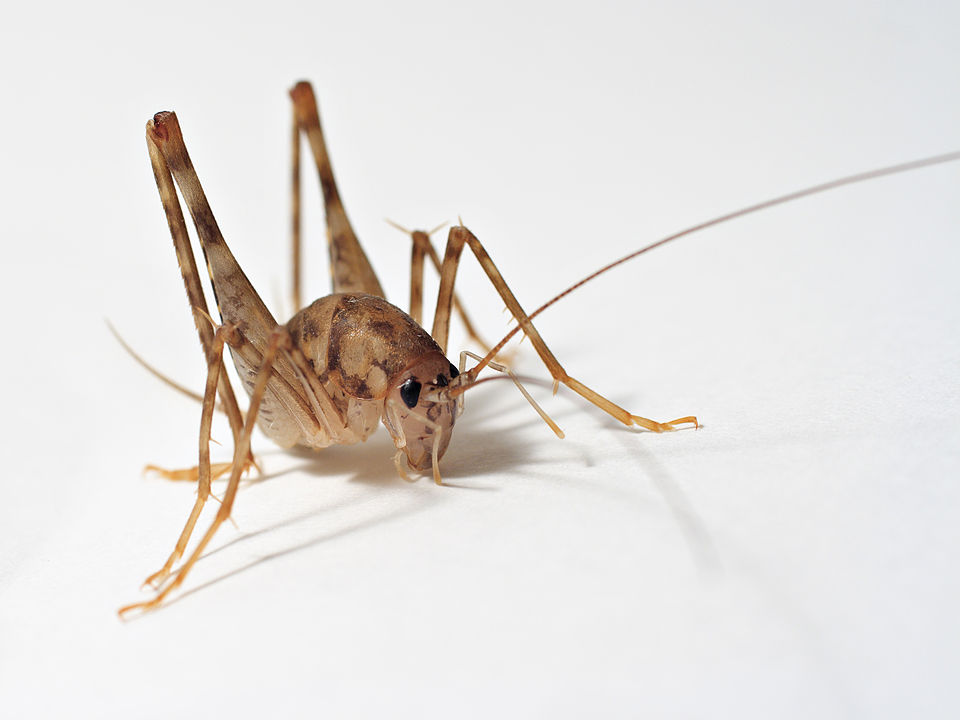
Camel Cricket
- Size: ½ to 1½ inches
- Appearance: Hump-backed body, long legs, tan or brown
- Where Found: Crawlspaces, garages, basements
- Evidence: Sudden hopping when disturbed; clusters in moist, dark areas
- Behavior: Wingless crickets that prefer cool, damp, dark areas; they can jump when disturbed
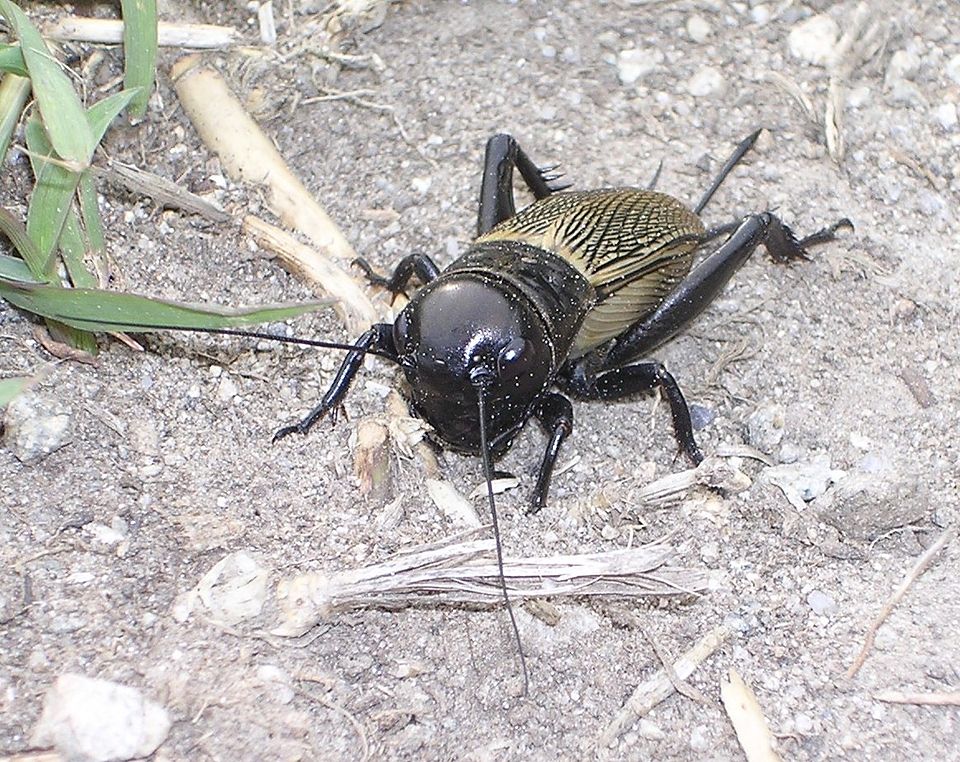
Field Cricket
- Size: ¾ to 1 inch
- Appearance: Dark brown to black with long antennae
- Where Found: Basements, garages, under porches
- Evidence: Chirping noises at night; fecal droppings
- Behavior: Attracted to warmth and light; may damage fabrics or paper
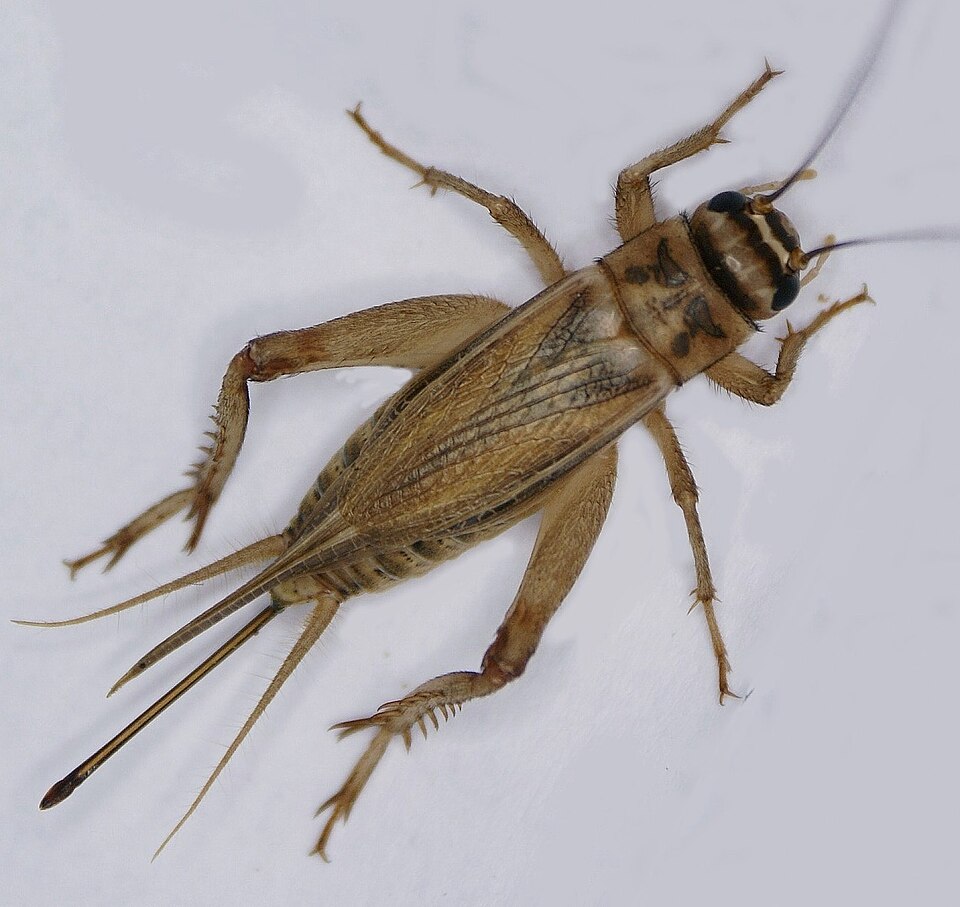
House Cricket
- Size: ¾ inch
- Appearance: Light yellowish-brown with dark bands on head
- Where Found: Kitchens, basements, HVAC areas
- Evidence: Persistent chirping; may chew holes in clothes or wallpaper
- Behavior: Harmless but loud and persistent
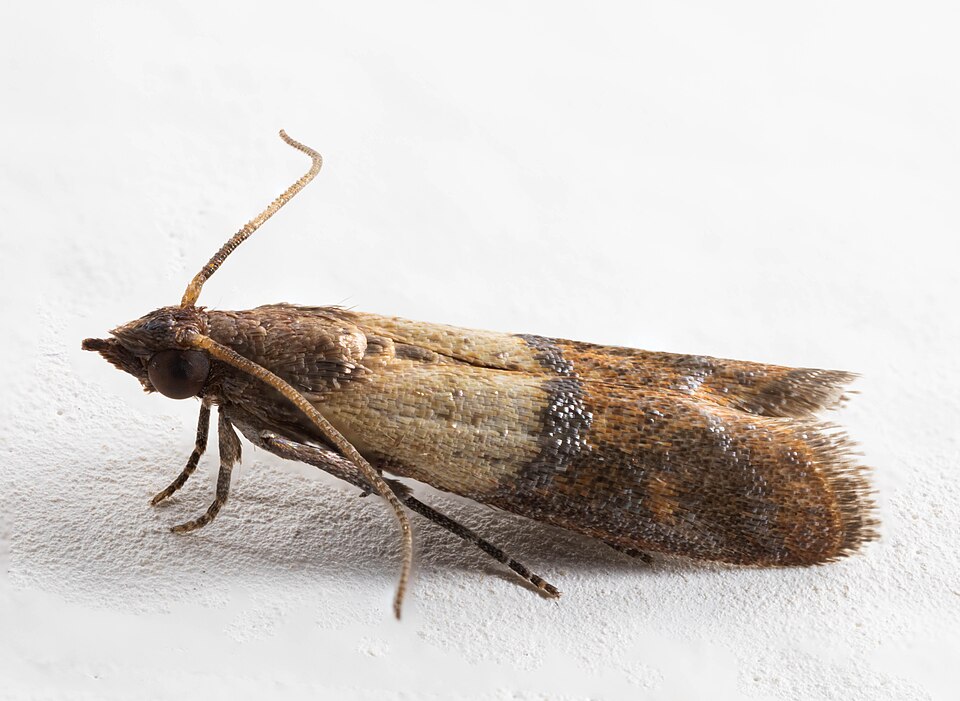
Indianmeal Moth
- Size: ½ inch
- Appearance: Reddish-brown wings with coppery tips
- Where Found: Pantry, dry goods, food storage
- Evidence: Webbing in food packages; larvae crawling in containers
- Behavior: Lay eggs in grains, cereal, nuts, and dried fruit
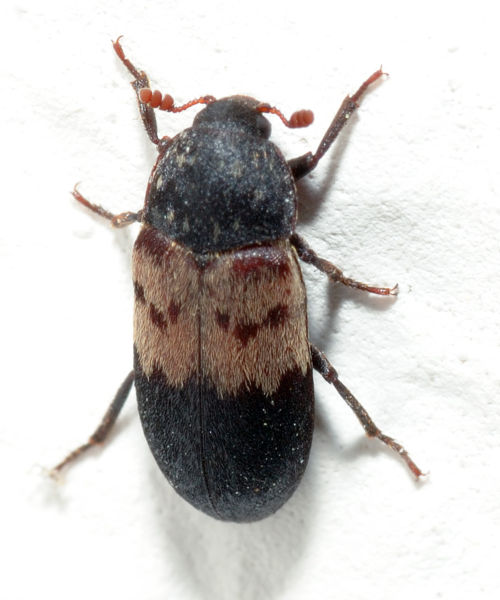
Larder Beetle
- Size: ⅜ inch
- Appearance: Brown with a pale yellow band and six black dots on wing covers
- Where Found: Near pet food, pantry, or carcasses
- Evidence: Shedding skins, larvae, or chewed materials
- Behavior: Infest high-protein items like dried meat or pet food
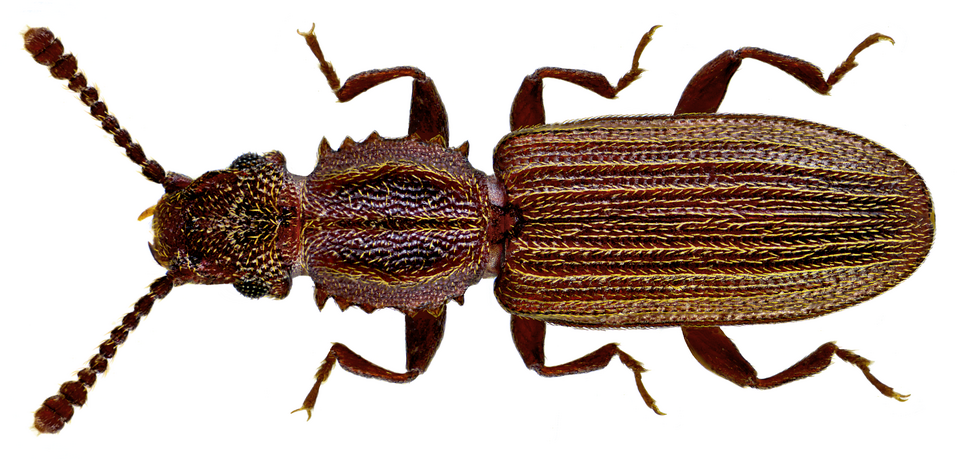
Sawtoothed Grain Beetle
- Size: ⅛ inch
- Appearance: Flat body with saw-like teeth on thorax
- Where Found: Packaged goods, cereal boxes, flour bins
- Evidence: Active beetles or larvae inside food; damage to packaging
- Behavior: Often transported via infested goods
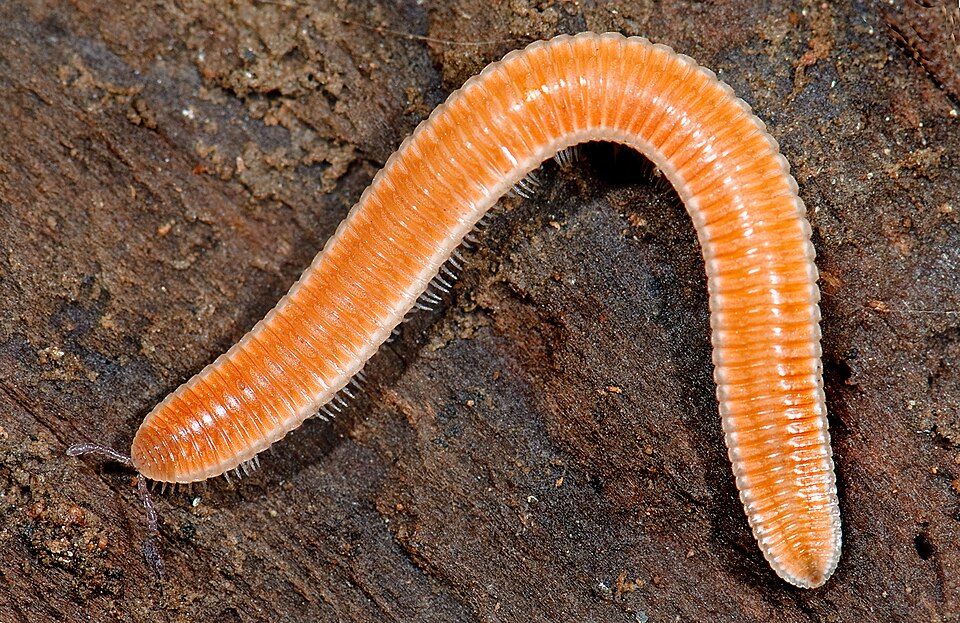
Millipede
- Size: 1–2 inches
- Appearance: Long cylindrical body with dozens of legs
- Where Found: Damp basements, crawlspaces, garages
- Evidence: Curl into a spiral when disturbed; found in corners or sinks
- Behavior: Harmless decomposers; invade during heavy rains
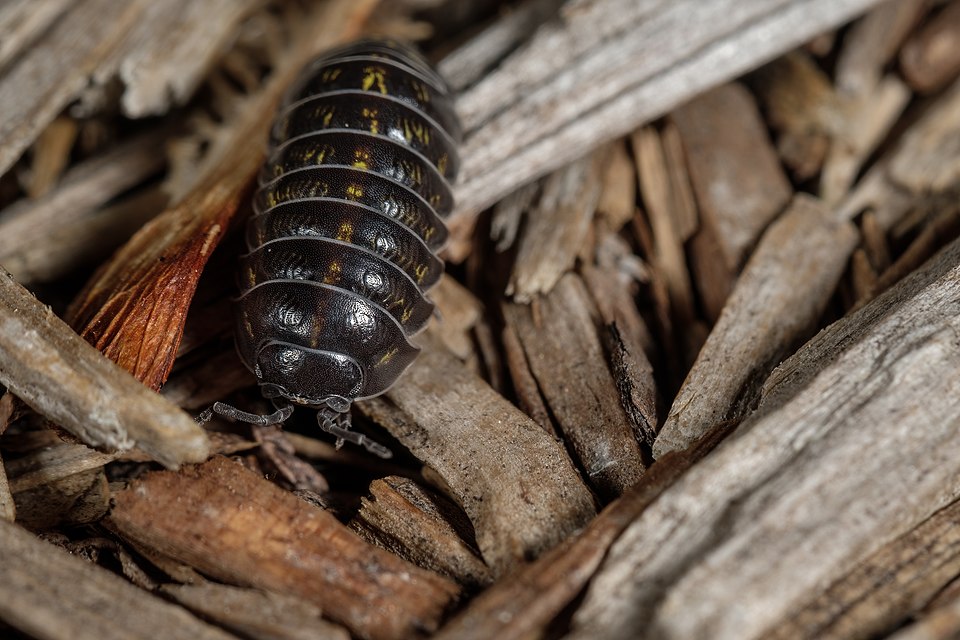
Pillbug
- Size: ¼ to ½ inch
- Appearance: Gray segmented body; can roll into a ball
- Where Found: Under stones, flower pots, in garages or basements
- Evidence: Found in cool, damp areas; curl up when handled
- Behavior: Non-destructive but often mistaken for pests
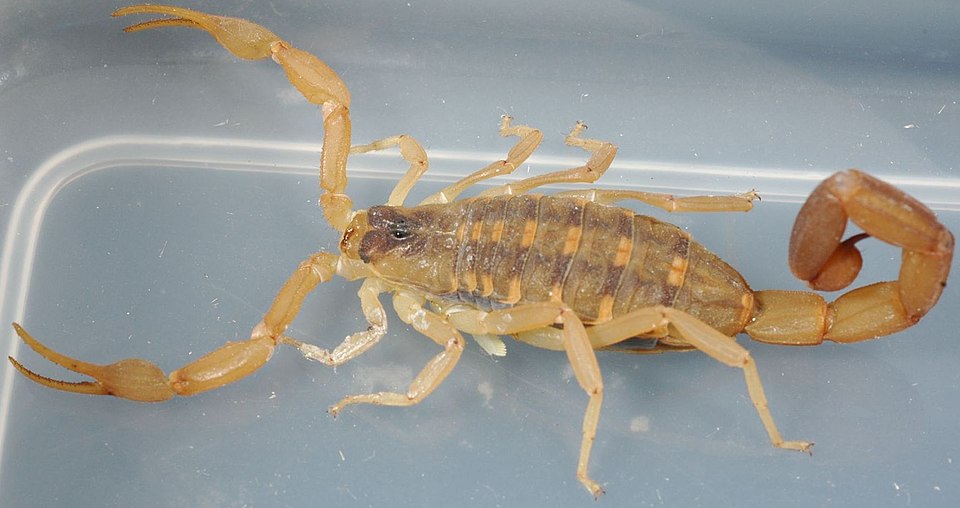
Scorpion
- Identification: Compare pincers, body markings and the segmented tail. See the Missouri striped bark scorpion guide.
- Where to look: Sheltered areas beneath rocks or wood and around building openings.
- Observation: Photograph from a distance and avoid handling.
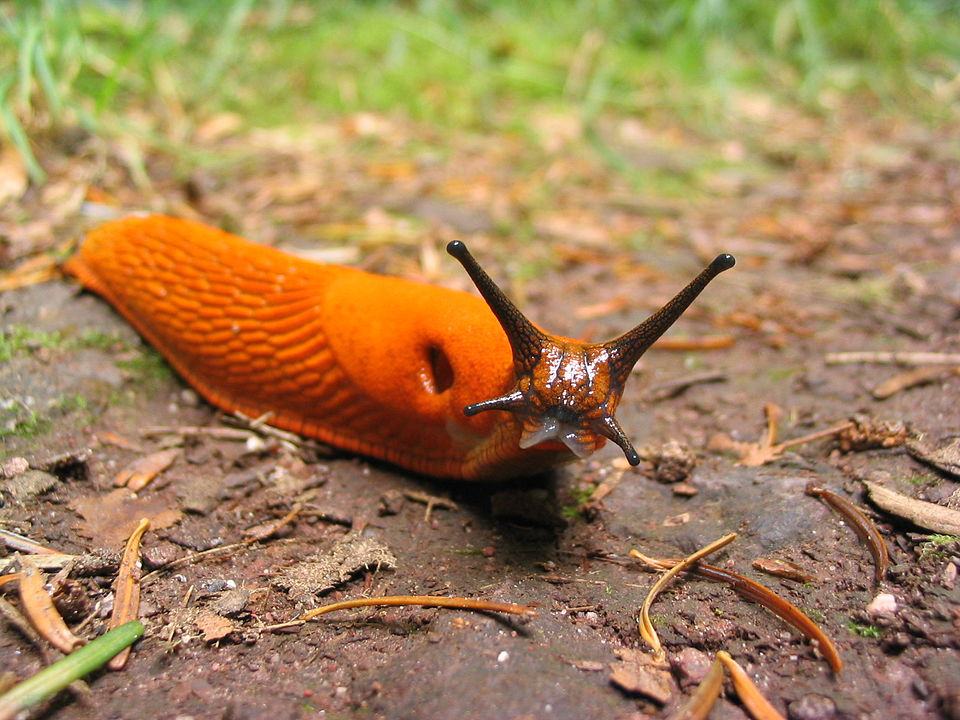
Slug
- Size: Up to 2 inches
- Appearance: Soft-bodied, slimy, with no visible shell
- Where Found: Around foundations, flower beds, bathrooms
- Evidence: Silvery slime trails and chewed plant leaves
- Behavior: Feed at night; prefer damp, decaying areas
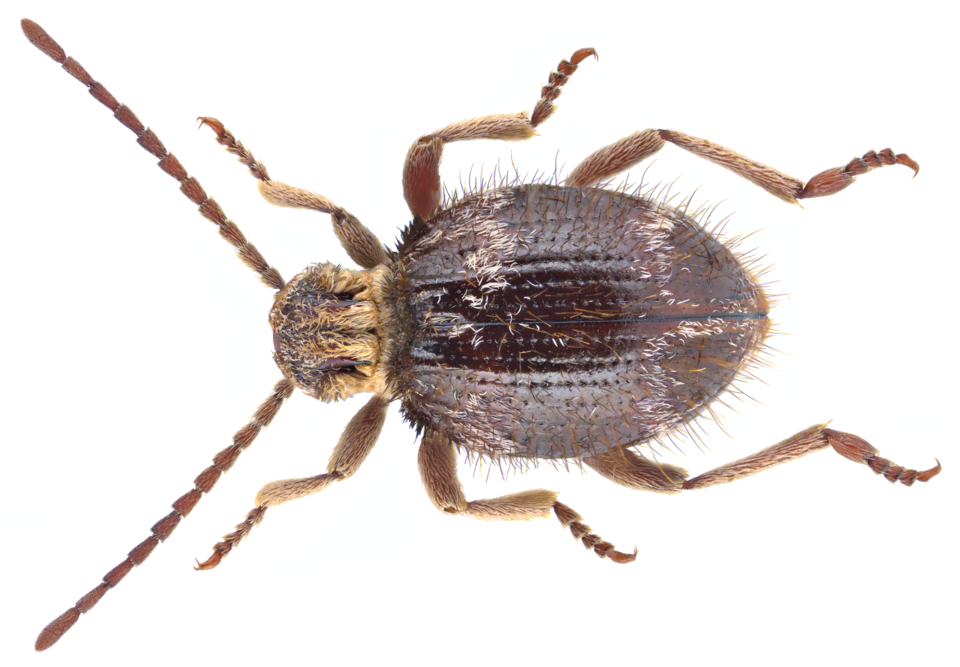
Spider Beetle
- Size: 1/16 to ⅛ inch
- Appearance: Round reddish-brown body, resembles small spider
- Where Found: Pantry, bird nests, attics
- Evidence: Presence in stored food, grain dust, or organic matter
- Behavior: Feed on moldy, decaying organic material
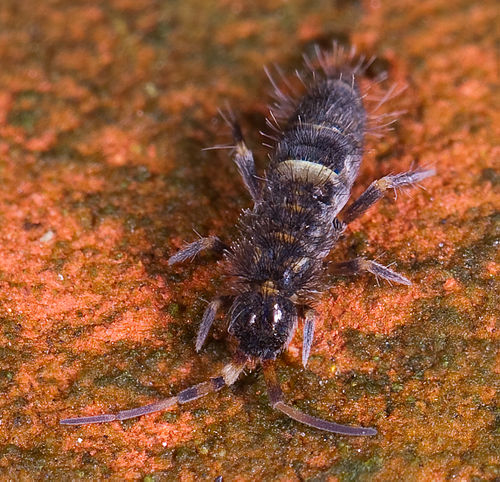
Springtail
- Size: Less than ⅛ inch
- Appearance: White or gray, jump when disturbed
- Where Found: Bathroom floors, sinks, under mulch
- Evidence: Swarms of tiny bugs in moist areas
- Behavior: Harmless but persistent when moisture is high
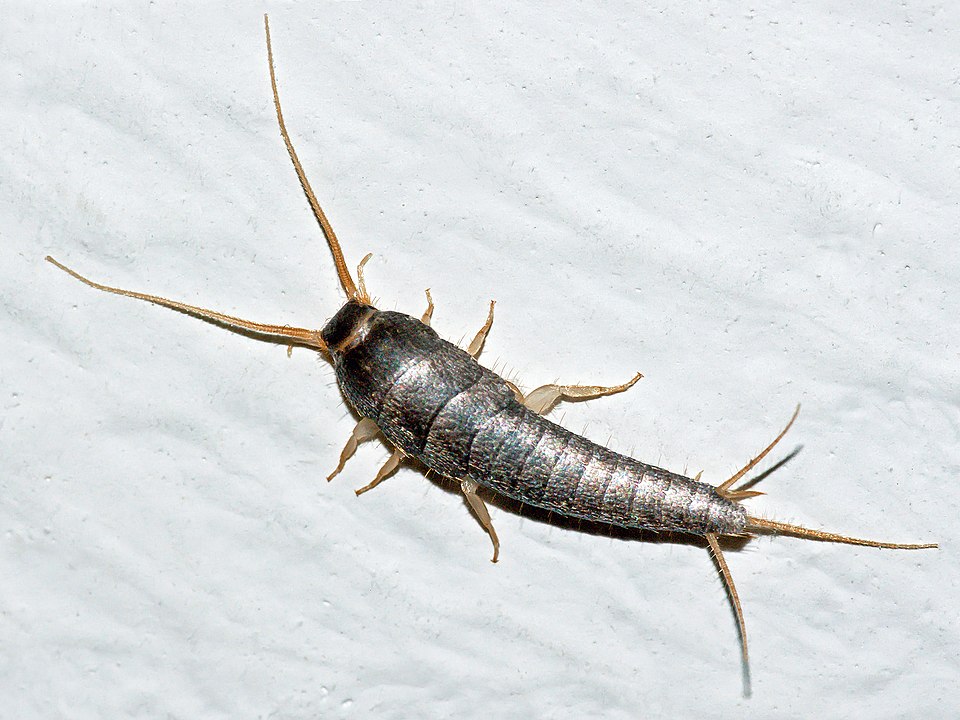
Silverfish
- Size: ½ to ¾ inch
- Appearance: Silvery-gray, teardrop-shaped, with antennae and three tail bristles
- Where Found: Bookshelves, bathrooms, basements
- Evidence: Paper damage, yellow stains, cast skins
- Behavior: Thrive in humidity and feed on paper, glue, and starch
Get Rid of Pests Before They Multiply
Call or text (573) 368-3333 for fast, affordable help with general pests and occasional invaders in your home or business.
What to Do If You Spot General Pests
Your Next Steps
Whether it's springtail swarms or crickets chirping through the night, you don’t have to put up with pests.
- Identify problem areas (humidity, cracks, food storage)
- Clean up clutter and organic debris
- Repair moisture issues and seal gaps
- Don’t crush bugs like clover mites or boxelder bugs—they stain
- Schedule a professional pest inspection for long-term control
Prompt action reduces future infestations and protects your property.
FAQs About Occasional Invaders
Does every sighting require treatment?
No. Identification, frequency and property conditions determine whether maintenance, monitoring or treatment is appropriate.
What should I record?
Note the location, number of pests and when they appeared. A clear photograph may help identify them.
Where can I learn about crickets?
The University of Minnesota Extension cricket guide compares field, house and camel crickets.
How many visits will I need?
That depends on the identified pest and conditions. Your estimate will explain the recommended scope and follow-up.
You Shouldn’t Share Your Home with Bugs
We will explain the recommended response to the activity you are seeing. Call (573) 368-3333 or use the contact options below for identification and service questions.
Maggie Edmonds
I give Plank Pest Control 5 stars for service, reliability, and courtesy. I recommend highly. I appreciate being able to depend on them to answer questions and always being available to help in an emergency (bee infestation....I am dangerously allergic to bee stings).
Dorothy Hand
Termite inspection, Termite extermination, Cockroach extermination, General wildlife removal
Jacob did a nice job of taking care of the squirrel nest. No chemicals were needed. Personable young man who was clear about what was needed and helped to remedie the problem.
Brian Molloy
I’ve been using Plank Pest Control for a couple of years now. My experience with them has been not only positive and professional but pleasant as well. I’ve known the Plank family since childhood and seeing the second generation of them do what they do best makes me very grateful for my acquaintance with the company. Not only do they get rid of all the creepy crawlers they make sure to answer any and all questions I might have regarding the job they’ve done.
Judyann Krenning
Very professional and polite. Definitely knew his business. Our problem was taken care of easily.
Larry Lyle
My 2nd time doing business with this locally owned and highly recommended company. The trchs were extremely thorough in the indoor and outdoor assessment and did a great job with answering all questions. Prices are more than reasonable especially when compared to other “big name pest control” businesses. We are subscribed to future services now as well. A+