
Plank Termite & Pest Control
Pest ID: Mosquitoes
Bites You Can’t Ignore
Mosquito Identification in Central Missouri
Mosquitoes develop in water, while adult activity varies by species and conditions. Browse this guide for identification and prevention information, or explore our mosquito control service for help around your Central Missouri property. See the Missouri Department of Conservation mosquito guide for more identification details.
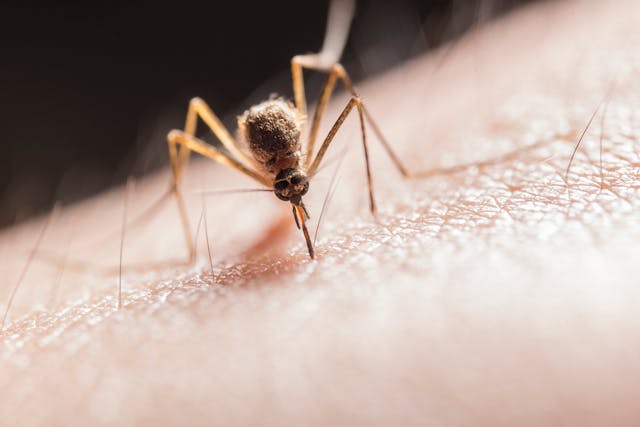
Mosquito Identification
The examples below introduce mosquito groups and visible features. Similar-looking insects can be difficult to distinguish, so use photographs and an inspection to support identification.
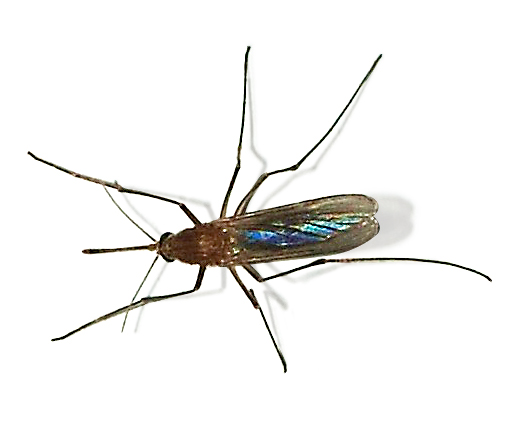
Culex Mosquito (Common House Mosquito)
- Size: ¼–½ inch long
- Appearance: Grayish-brown body with long legs and narrow wings
- Habits: Active mainly at dawn and dusk
- Where Found: Near ponds, birdbaths, storm drains, and standing water
- What to Look For: Larvae (“wigglers”) in standing water, adult mosquitoes resting in shaded areas
![[1]](http://images.nbii.gov/mammals/nbii_t00362.jpg)
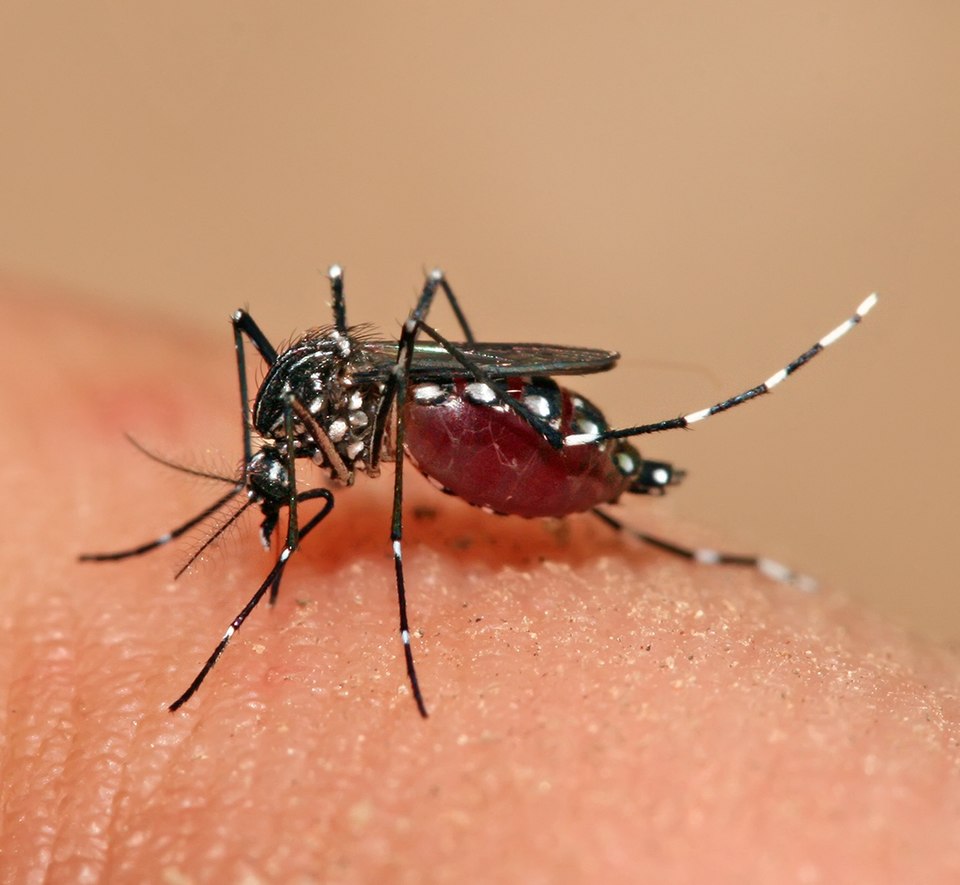
Aedes (Asian Tiger Mosquito)
- Size: About ¼ inch long
- Appearance: Black body with white striped legs and a white stripe down the back
- Habits: Aggressive daytime biter, active in the morning and afternoon
- Where Found: In containers, tires, gutters, and planters that collect water
- What to Look For: Eggs stuck to container sides, visible adults during daylight hours
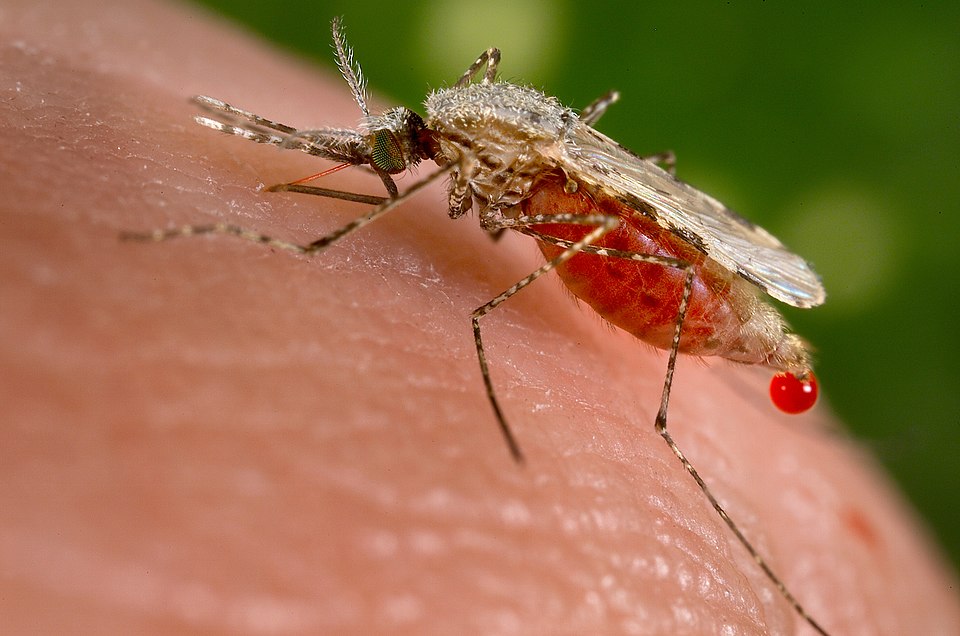
Anopheles Mosquito
- Size: ¼–⅜ inch long
- Appearance: Brown body, wings with dark spots, head lower than thorax when resting
- Habits: Active at night and dawn
- Where Found: Wetlands, ponds, and grassy marsh areas
- What to Look For: Clusters of adults near water, especially in the evening
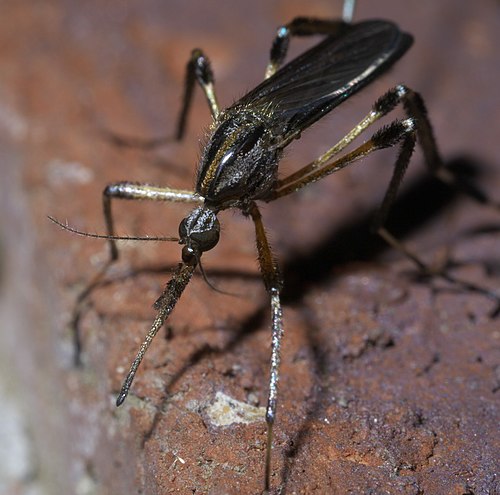
Gallinipper (Psorophora ciliata)
- Size: Up to ½ inch—one of the largest mosquito species
- Appearance: Dark with banded legs and a robust body
- Habits: Aggressive biters, active during day and night
- Where Found: Floodplain areas and moist fields after heavy rain
- What to Look For: Large, fast-moving mosquitoes, often following rain events
Don’t Let Mosquitoes Take Over
Call or text (573) 368-3333 to schedule your mosquito inspection and control service with Plank Termite & Pest Control.
What to Watch For
Signs of a Mosquito Problem
Record where and when you notice mosquitoes and check for containers holding water. Observations help guide an inspection; bites or buzzing alone do not identify the insect.
- Persistent buzzing around porches, doors, or shaded areas
- Itchy red bites, especially on ankles, arms, or legs
- Visible adult mosquitoes resting in cool, dark corners
- Larvae or pupae in standing water—look for movement in birdbaths, buckets, or clogged gutters
- Swarms near dusk, especially around tall grass or wooded edges
Mosquitoes may develop on or near a property. Share the location of observed activity and any standing water when requesting service.

Protect Your Home and Health
Mosquito Facts & Prevention in Central Missouri
Some mosquitoes can spread germs through bites. A yard treatment does not replace personal bite precautions or guidance from public-health officials.
- Use an EPA-registered repellent as directed.
- Wear loose-fitting long sleeves and long pants when appropriate.
- Repair window and door screens.
- Reduce water-holding containers around the property.
To help prevent mosquito activity around your home or business:
- Each week, empty and scrub, cover or turn over containers that hold water.
- Maintain gutters and drainage.
- Keep water-storage containers covered.
- Use and repair window and door screens.
- Discuss persistent activity and suitable service options with a professional.
- Read the CDC guide to mosquito control at home.
Results depend on weather, water sources, nearby habitat and the selected service. Discuss inspection findings and follow-up options for your property.
FAQs About Mosquitoes
Why are mosquitoes worse after rain?
Standing water from rain creates perfect breeding grounds. Mosquitoes lay eggs in shallow water, and larvae hatch quickly—often within 48 hours.
What attracts mosquitoes to me?
Carbon dioxide, body heat, sweat, and certain body odors attract mosquitoes. Some people are more prone to bites based on body chemistry.
Can mosquitoes live indoors?
Yes. Mosquitoes can enter through open doors or windows and hide in cool, dark areas like closets, bathrooms, or under furniture.
Do all mosquitoes bite?
No. Only female mosquitoes bite because they need blood to develop eggs. Males feed on plant nectar.
What’s the best way to eliminate mosquitoes?
Eliminating standing water is key. Combined with professional treatments and repellents, you can greatly reduce your mosquito problem.
Discuss Your Mosquito Service Options
Plank Termite & Pest Control offers mosquito service tailored to your property. Review the treatment scope, preparation, visit frequency and follow-up before service. No treatment can promise a completely bite-free yard.
Steven Doyon
Excellent Service.
Nicholas Peters
Great service at an excellent price. Technicians are prompt and always discuss options for treatment around the home.
Joel W Eland
Josh was very professional and willing to work hard - including getting dirty in a crawl space. He also provided practical evaluation of our buildings and next steps.
T Roberds
Professional service at an affordable price. Highly recommend!
Katie Steelman
The staff is very responsive to messages. Even though we had to be rescheduled a couple times due to rain, they didn’t just drop us. They took care of us when the weather cooperated. Very good to work with! Price is very reasonable too.