
Plank Termite & Pest Control
Pest ID: Ants
Ants Invading Your Home or Business?
Effective Ant Control in Rolla, MO and Central Missouri
Ant species differ in their nesting habits and the steps needed to manage them. This guide introduces several ants you may encounter and observations to share during an inspection. For help at your property, explore our ant pest control service.

Signs to Watch For
How to Tell If You Have an Ant Infestation
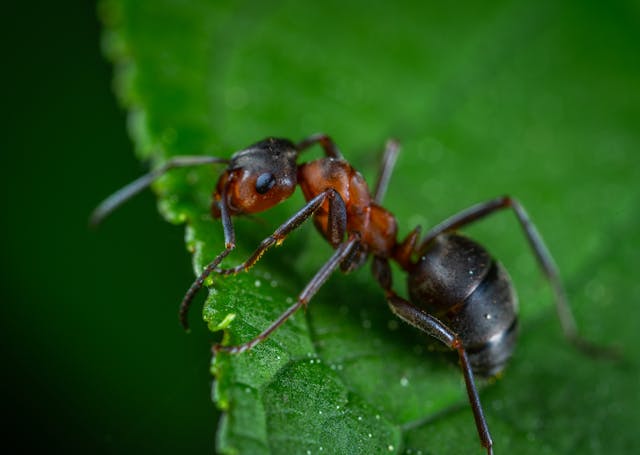
Record where you see ants, how often they appear and any visible trails or nesting material. These observations can help guide identification and an inspection; a single sign does not establish the size or location of a colony.
- Trails of ants moving to and from food or water sources
- Small piles of dirt or sand near the foundation (possible nest sites)
- Hollow-sounding wood or sawdust piles (carpenter ants)
- Ants found inside cabinets, sinks, or baseboards
- Faint greasy or rotten smell (common with Odorous House Ants)
- Winged ants emerging from walls or floorboards
Call or text (573) 368-3333 to schedule a professional ant inspection with Plank Termite & Pest Control.
Identify the Invaders
Common Ant Species Found in Central Missouri
Compare the groups below as a starting point. Size and color alone may not distinguish similar ants. For additional identification guidance, see MU Extension: Ants and its carpenter ant guide.
Carpenter Ants
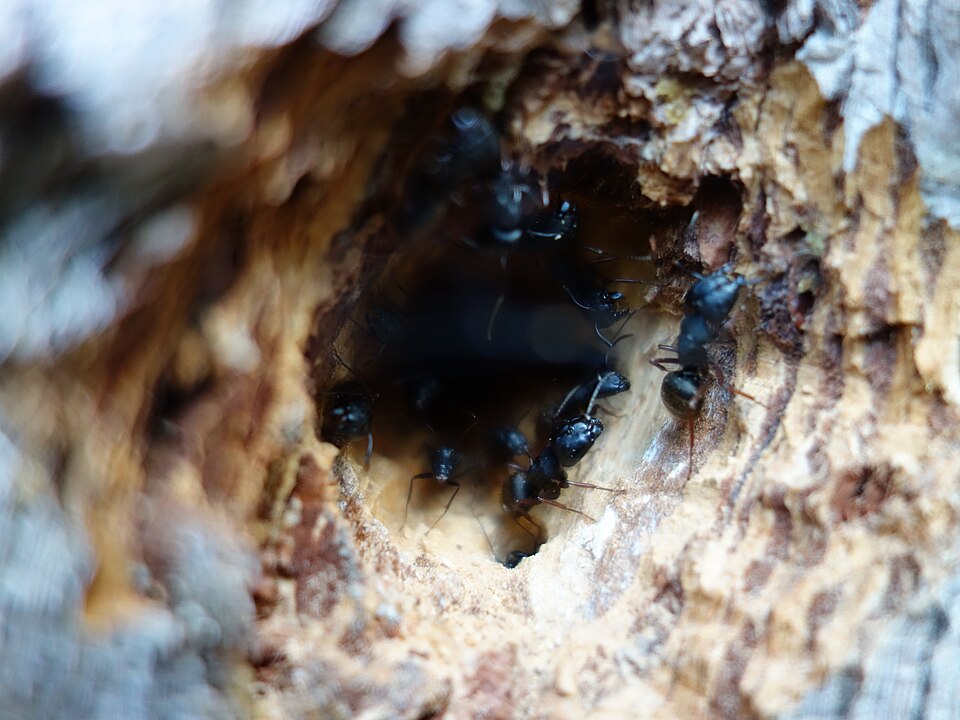
These large ants (¼ to ½ inch) are typically black but may also appear reddish or bicolored. Unlike termites, they don’t eat wood—but they excavate it to build their nests, which can weaken structures over time.
What to look for:
- Large black or red ants inside or around wooden areas
- Sawdust-like debris near baseboards or windows
- Hollow-sounding wood or rustling noises in walls
Field Ants
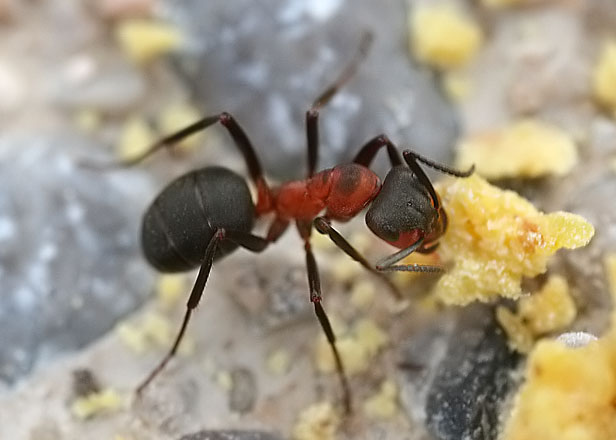
Often mistaken for carpenter ants, field ants range from ⅛ to ¼ inch and come in black, brown, or reddish hues. They build large mounds outdoors and rarely nest inside structures.
What to look for:
- Dome-shaped mounds in open grassy areas
- Ants trailing to and from foundations
- Increased activity after rain
Odorous House Ants
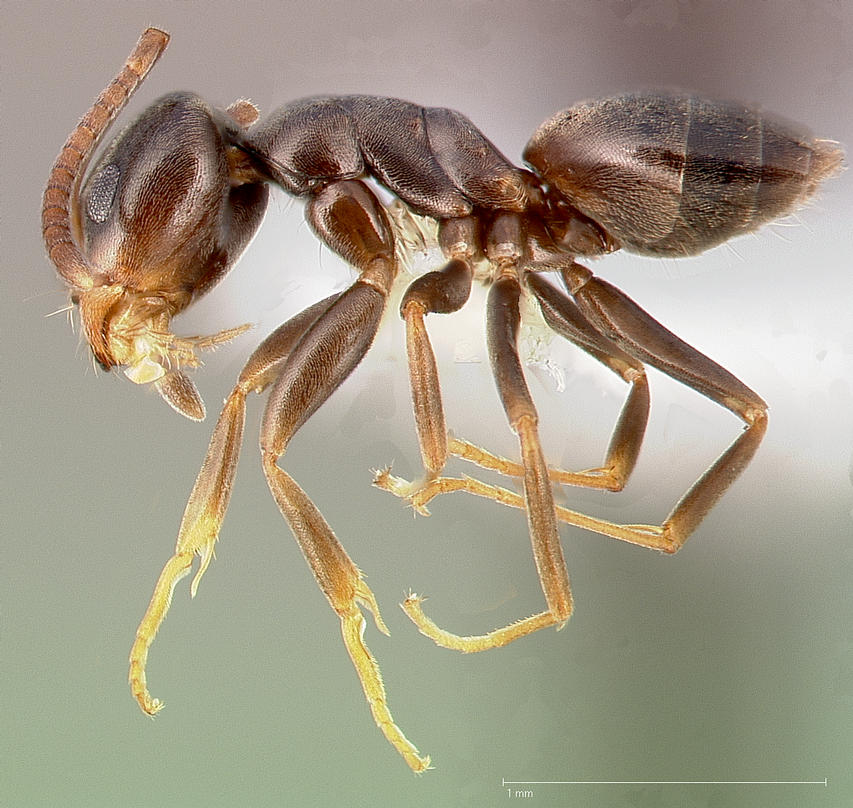
These small (about ⅛ inch), dark brown to black ants give off a strong, rotten coconut smell when crushed. They’re highly attracted to sweets and moisture.
What to look for:
- Trails in kitchens, bathrooms, or laundry areas
- Strong odor when squished
- Nests under sinks or inside wall voids
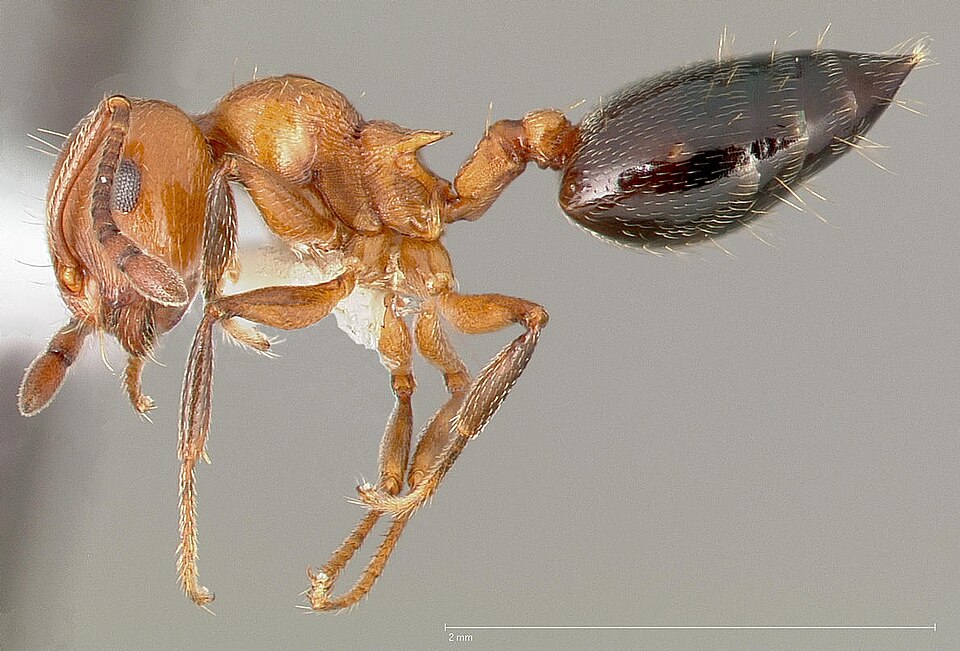
Acrobat Ants
Named for the way they raise their heart-shaped abdomens above their heads when disturbed, these ants are small (1/8 inch) and range from light brown to black.
What to look for:
- Nesting in moist wood, insulation, or foam sheathing
- Small ants that arch their bodies when threatened
- Signs of wood damage near moisture-prone areas
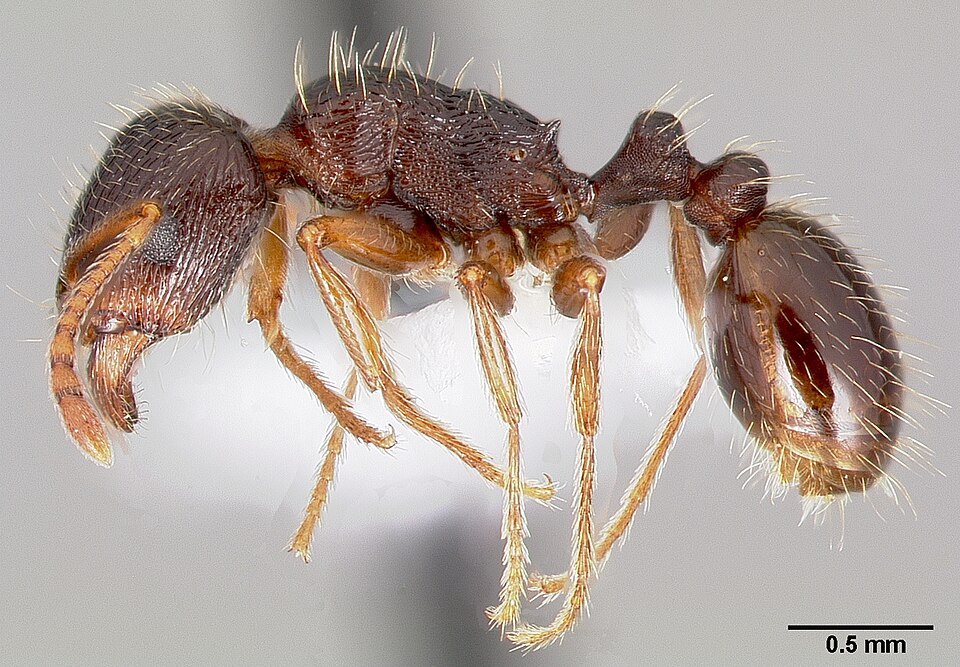
Pavement Ants
These ants are about 1/8 inch long and dark brown to black. They nest under sidewalks, concrete slabs, and foundation cracks.
What to look for:
- Small mounds of soil or sand along pavement cracks
- Trails entering through baseboards or expansion joints
- Ants found near kitchens or garages
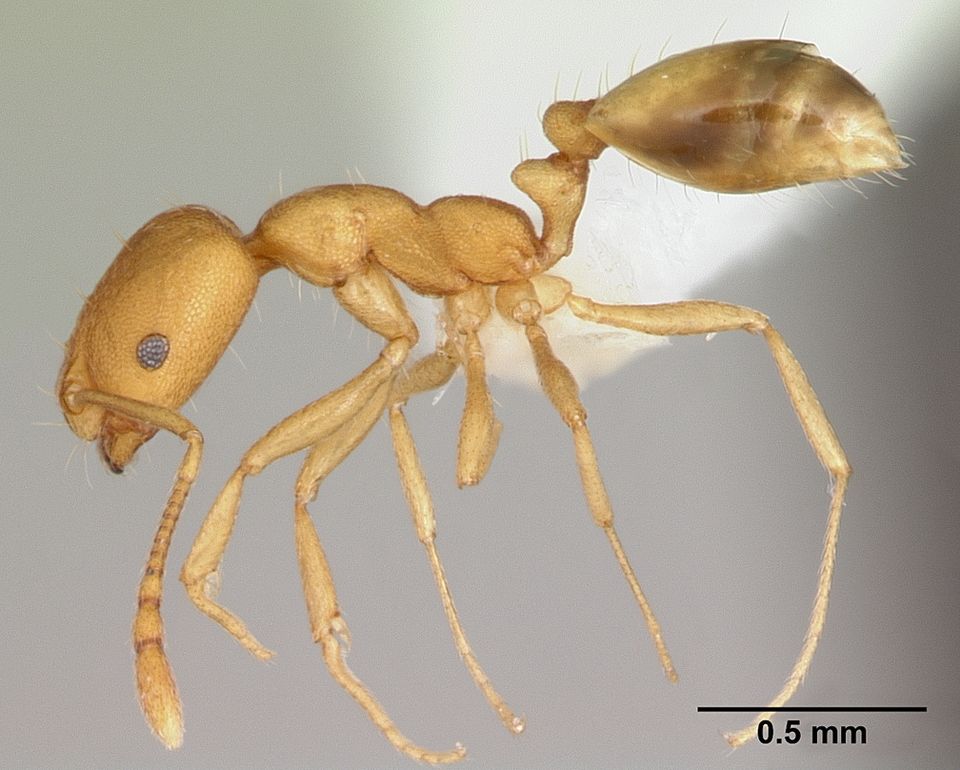
Pharaoh Ants
Tiny (about 1/16 inch) and pale yellow to reddish-brown, Pharaoh ants are notorious for infesting buildings—especially warm, humid areas.
What to look for:
- Ants in pantries, bathrooms, or behind walls
- Nesting in hidden, protected spaces like wall voids or behind baseboards
- Risk of spreading bacteria and contamination
Don’t Let Ants Take Over
Contact Plank Termite & Pest Control to discuss ant activity, inspection needs and treatment options for your home or business.
What’s Bringing Them In?
Common Causes of Ant Infestations in Central Missouri
Ants don’t show up without a reason. They’re drawn to food, moisture, and easy entry points. Here’s what might be inviting them in:
- Crumbs, grease, and food left on counters
- Pet food bowls or trash bins left uncovered
- Leaky pipes or standing water around sinks and tubs
- Gaps under doors, around windows, or in foundations
- Tree branches or shrubs touching your home’s exterior
Ants may enter even a clean property. An inspection can help identify activity, access points and conditions that need attention.
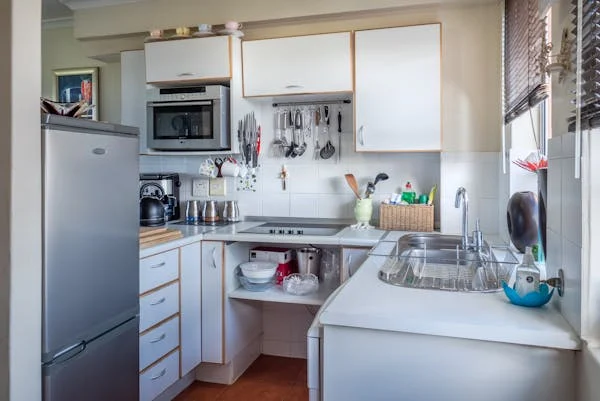
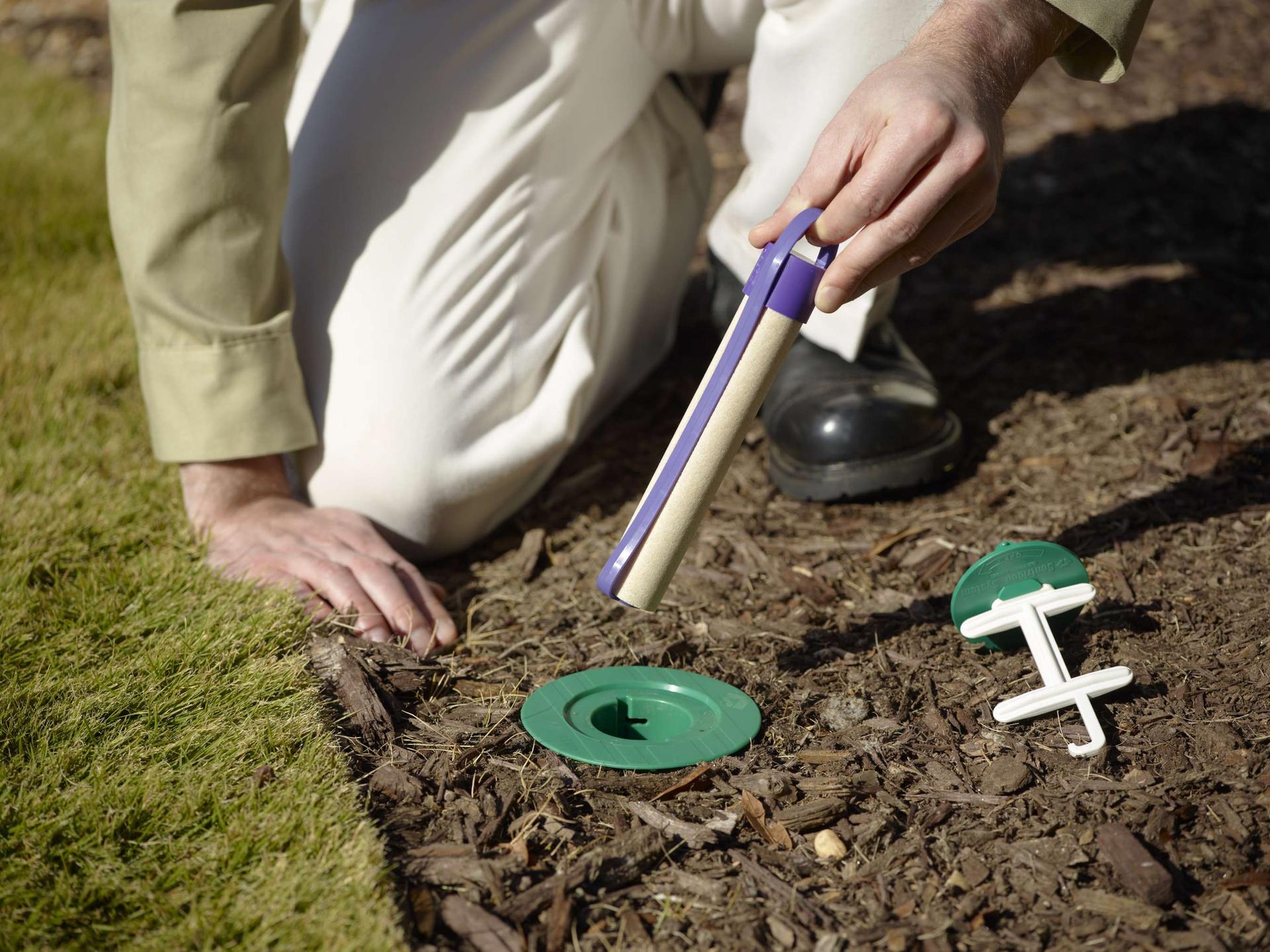
Protect Your Phelps County Home Year-Round
How to Prevent Ants from Coming Inside
Stopping ants before they get in is the best defense. Follow these tips to reduce your risk:
- Wipe down counters and sweep floors regularly
- Store food in airtight containers
- Take out trash daily and seal garbage bins
- Fix plumbing leaks and reduce indoor moisture
- Seal entry points around doors, windows, and utility lines
- Keep landscaping trimmed away from your home’s exterior
Ant service can stand alone or be part of a selected Perimeter Guard combination. The included work and visit frequency are agreed for your property.
Our Promise to You
Plank Termite & Pest Control has served Central Missouri since 2000. Ask about the proposed treatment, preparation and follow-up so you understand what is included before service begins.
Chris Kallaos
Plank always does a great job for us. They show up when they say they will, and their treatments are effective.
Steven Doyon
Excellent Service.
JP Maxwell
I can't recommend Plank Termite & Pest Control enough! They came to our house within 2 days of scheduling and the service was incredible. Great customer service with very thorough treatment using non-harmful chemicals to us or our pets. Plank always delivers and they're locally owned!
Joel W Eland
Josh was very professional and willing to work hard - including getting dirty in a crawl space. He also provided practical evaluation of our buildings and next steps.
Laura Chilton
I called Plank Termite and Pest Control and an actual person answered the phone! We discussed the pest situation, came up with a solution, set up an appointment for Jacob, the technician, to come to our house. Jacob arrived exactly on time, took care of the situation, made recommendations for the future, provided a receipt and finished the job within about 30 minutes. I highly recommend Plank Termite and Pest Control for their superior professionalism and service.